Community, Philanthropy & Media
A consent-centred method for preserving oral histories, recordings, photographs, publications, metadata, and context before community knowledge is lost.

A listening-session record on safety as people define it when police, authorities, public space, and neighbourhood life do not feel equally protective.

Three organizers speak about disappointment, care, conflict, burnout, and the small signs that keep collective work alive before institutions move.

Contributors and facilitators complicate the idea that public storytelling is always empowering, naming consent, repetition, exposure, editing control, compensation, anonymity, and refusal.

Five concise profiles hold achievement, grief, status loss, bureaucracy, isolation, adaptation, and uncertainty together after migration.

Caregivers describe ordinary days shaped by unpaid responsibility for children, elders, relatives, neighbours, and community members.

Young people describe racism at school, in public space, and online, and what happens when adults keep calling it a misunderstanding.

Paired-generation dialogues explore multilingual family life, the uneven movement of emotion, memory, shame, work, and intimacy across languages.

An aftermath roundtable records what residents, workers, families, and community organizers say is needed after public attention to a racist incident disappears.

A chorus of contributors describes the small exhaustion of being asked to explain origin, citizenship, accent, and appearance as a condition of belonging.

A decision-path guide for designing projects that can continue, hand over, or close responsibly when grant funding ends.

A proportionate guide to combining numbers, stories, observation, and community validation in reports that respect people and still show what changed.
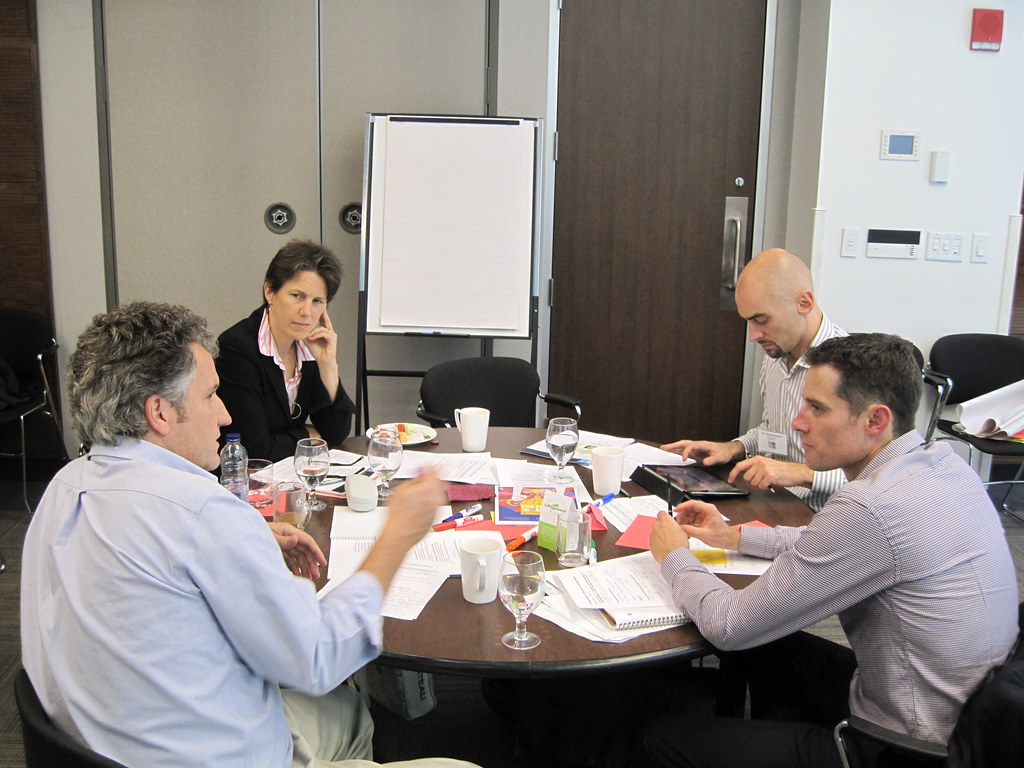
A consent-centred method for preserving oral histories, recordings, photographs, publications, metadata, and context before community knowledge is lost.
A listening-session record on safety as people define it when police, authorities, public space, and neighbourhood life do not feel equally protective.
Three organizers speak about disappointment, care, conflict, burnout, and the small signs that keep collective work alive before institutions move.
Contributors and facilitators complicate the idea that public storytelling is always empowering, naming consent, repetition, exposure, editing control, compensation, anonymity, and refusal.
Five concise profiles hold achievement, grief, status loss, bureaucracy, isolation, adaptation, and uncertainty together after migration.
Caregivers describe ordinary days shaped by unpaid responsibility for children, elders, relatives, neighbours, and community members.
Young people describe racism at school, in public space, and online, and what happens when adults keep calling it a misunderstanding.
Paired-generation dialogues explore multilingual family life, the uneven movement of emotion, memory, shame, work, and intimacy across languages.
An aftermath roundtable records what residents, workers, families, and community organizers say is needed after public attention to a racist incident disappears.
A chorus of contributors describes the small exhaustion of being asked to explain origin, citizenship, accent, and appearance as a condition of belonging.
A decision-path guide for designing projects that can continue, hand over, or close responsibly when grant funding ends.
A proportionate guide to combining numbers, stories, observation, and community validation in reports that respect people and still show what changed.