Mental Health & Wellbeing
A decision-path guide for families facing conflicting views from schools, healthcare providers, social services, or disability support.

Meaningful participation gives children real influence, accessible choices, feedback, and protection from adult agendas.

A practical checklist for organizations that want safeguarding to protect children in daily decisions, not just sit in a policy folder.
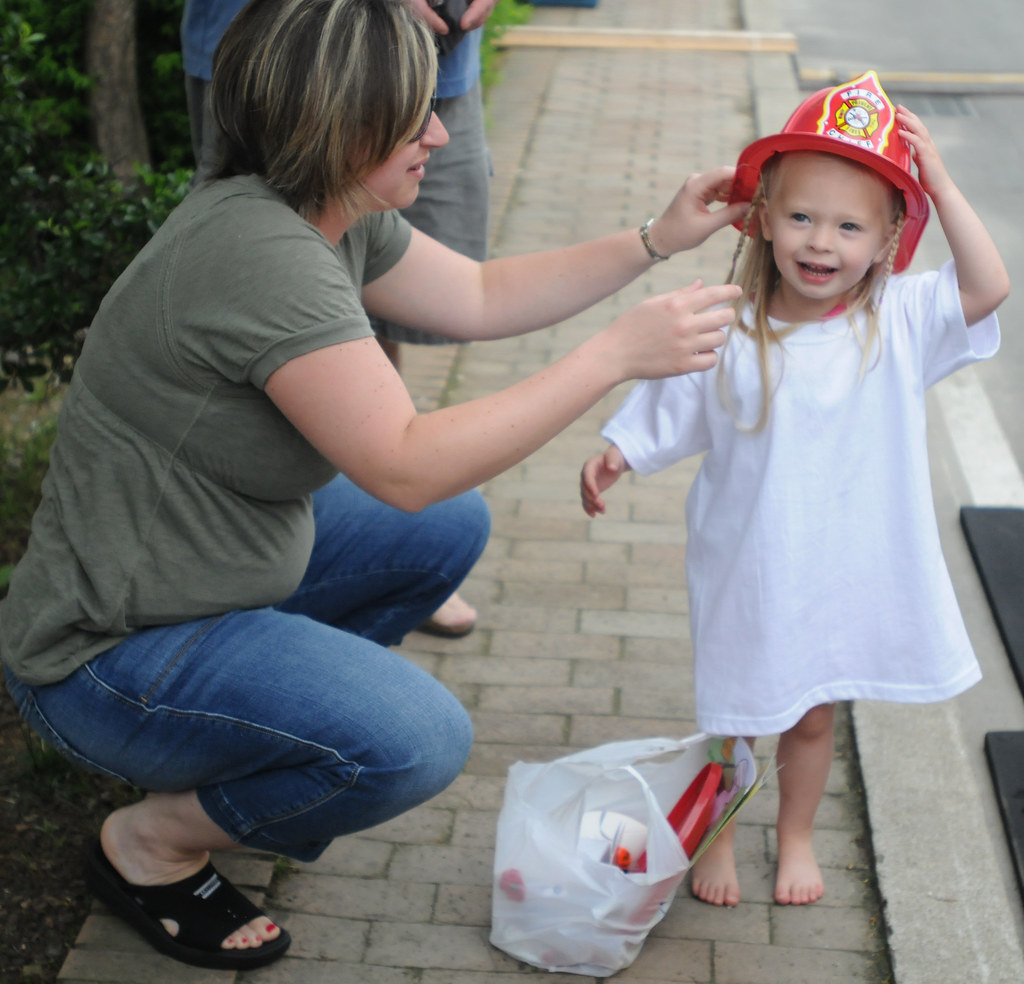
A no-blame FAQ for families under pressure, explaining where to seek early help before exhaustion, conflict, money stress, illness, or housing problems become a safeguarding crisis.
A child-focused safety planning checklist for domestic violence situations, covering confidential support, school coordination, contact, documents, digital risks, and recovery.

A decision-path guide for adults supporting children after racism, violence, or public trauma, with age-appropriate words, routines, media limits, and referral thresholds.

A safeguarding explainer on how material hardship can shape children's health, learning, relationships, and stress without turning poverty into family blame.

A practical escalation guide for parents and carers when a school minimizes bullying, racism, violence, or repeated safety concerns.

A step-by-step guide for responding when a child discloses violence, abuse, or another serious safeguarding concern.

A first-response safeguarding guide for adults who are worried about a child and need to act without investigating on their own.
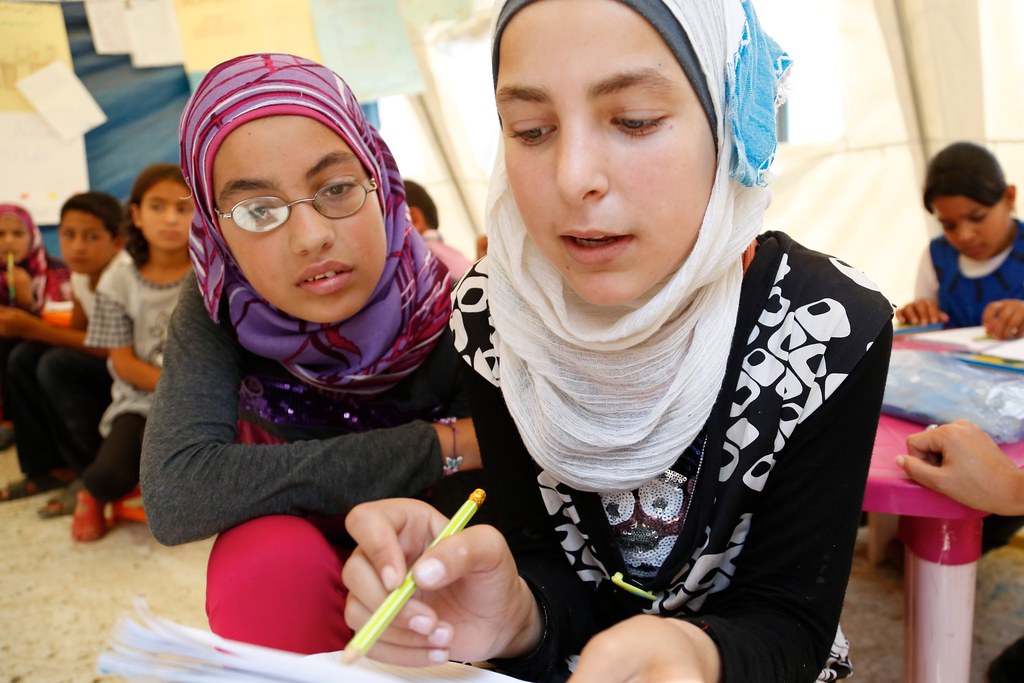
A trauma-informed guide for the days, weeks, and months after public violence, a hate incident, or a widely shared distressing event — for people affected directly, indirectly, or through the news, and for the communities around them.

Adult friendship is built on repetition, proximity and low pressure — not charisma. A step-by-step plan for rebuilding connection in a new city through recurring spaces and patient routines.

A decision-path guide for families facing conflicting views from schools, healthcare providers, social services, or disability support.
Meaningful participation gives children real influence, accessible choices, feedback, and protection from adult agendas.
A practical checklist for organizations that want safeguarding to protect children in daily decisions, not just sit in a policy folder.
A no-blame FAQ for families under pressure, explaining where to seek early help before exhaustion, conflict, money stress, illness, or housing problems become a safeguarding crisis.
A child-focused safety planning checklist for domestic violence situations, covering confidential support, school coordination, contact, documents, digital risks, and recovery.
A decision-path guide for adults supporting children after racism, violence, or public trauma, with age-appropriate words, routines, media limits, and referral thresholds.
A safeguarding explainer on how material hardship can shape children's health, learning, relationships, and stress without turning poverty into family blame.
A practical escalation guide for parents and carers when a school minimizes bullying, racism, violence, or repeated safety concerns.
A step-by-step guide for responding when a child discloses violence, abuse, or another serious safeguarding concern.
A first-response safeguarding guide for adults who are worried about a child and need to act without investigating on their own.
A trauma-informed guide for the days, weeks, and months after public violence, a hate incident, or a widely shared distressing event — for people affected directly, indirectly, or through the news, and for the communities around them.
Adult friendship is built on repetition, proximity and low pressure — not charisma. A step-by-step plan for rebuilding connection in a new city through recurring spaces and patient routines.