The rent notice arrives as a property matter. The loss is much wider than property.
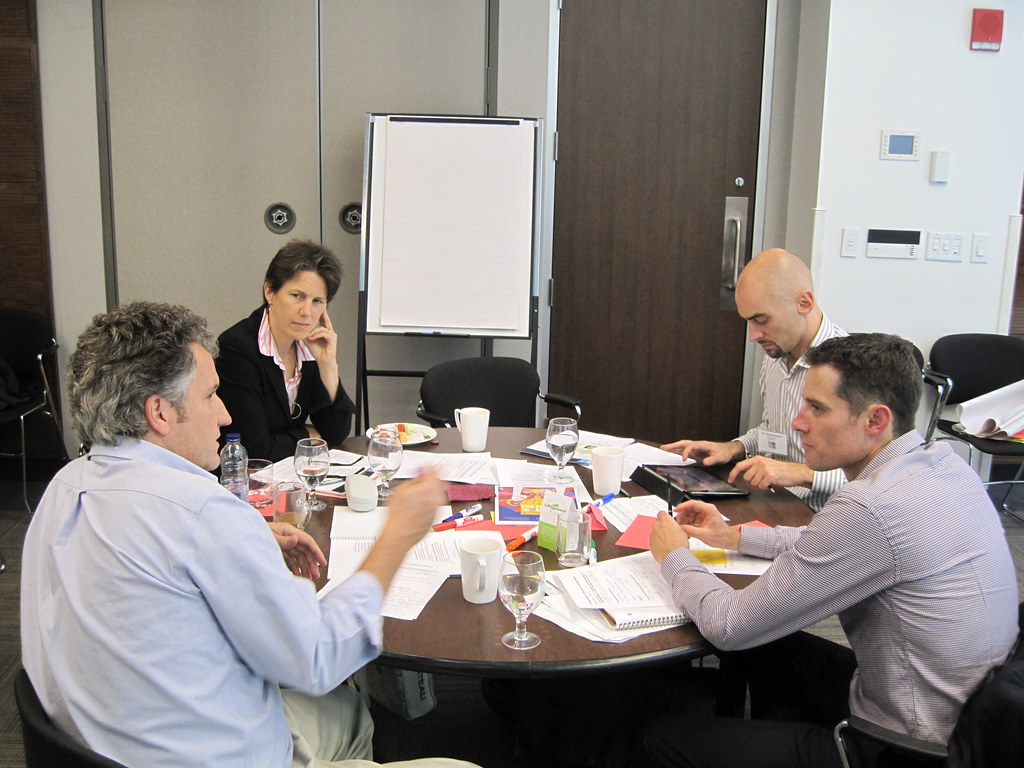
A neighborhood room may look ordinary: folding tables, a kettle, a cupboard with mismatched mugs, a noticeboard, a key held by three people, chairs that stack badly. On a budget sheet it is a cost centre. In daily life it is infrastructure. It lets people meet repeatedly without buying coffee, without registering for a formal course, without already knowing the right person, and without turning every act of community into an event.
This is why community spaces matter. They lower the price of showing up.
Space turns weak ties into useful ties
Many forms of help do not start with a formal request. They start because people have seen each other often enough to ask a small question.
“Do you know who can translate this letter?”
“Is the homework group still meeting?”
“Can someone watch the soup pot while I take this call?”
These are not dramatic moments, but they are the everyday mechanics of community. A shared room gives low-pressure contact a place to repeat. People can arrive without making a big declaration about need. A retired neighbor can sit near the repair table before offering to fix a lamp. A parent can notice that another parent is struggling with a school form. A young person can become known by name before anyone is worried about them.
This article stays at the infrastructure level. Individual loneliness deserves its own careful treatment, especially in later life; Ageing With Dignity Alliance goes deeper into that experience. Our question here is different: what local conditions make connection possible before isolation becomes severe?
The answer often includes a room.
Informality is not a flaw
Funders and public bodies sometimes ask community spaces to prove their value through formal outputs: attendance lists, workshops delivered, advice sessions completed. Those things can matter. But they do not capture the whole function of a place.
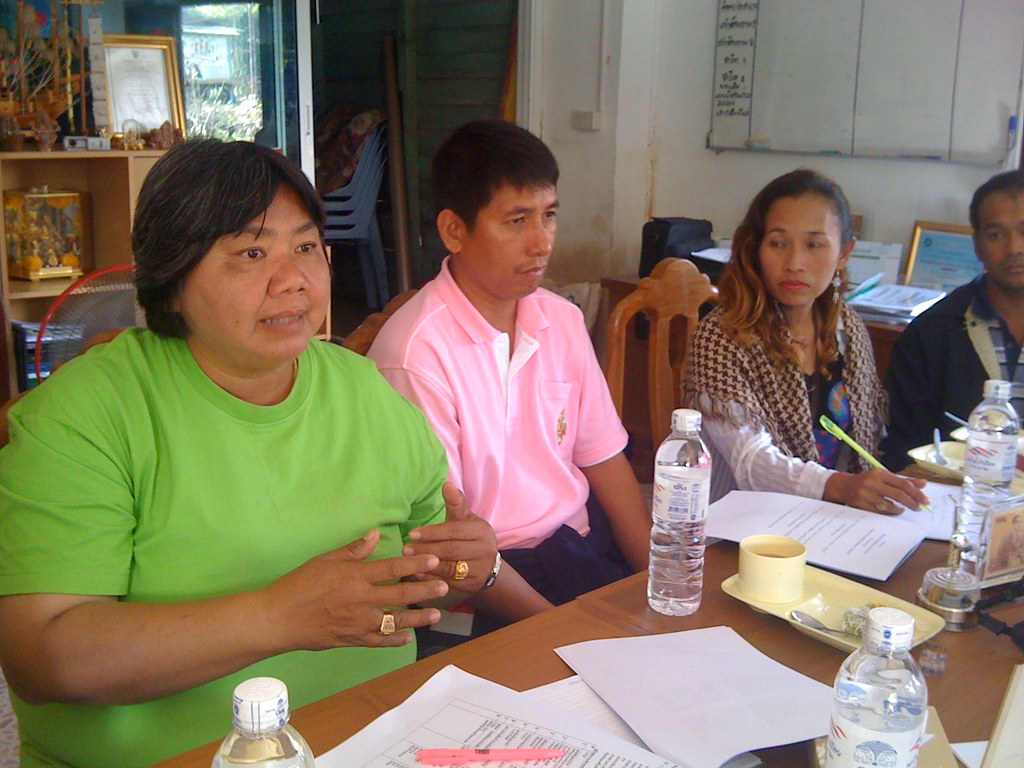
Some of the best uses of a community room are half-planned. A language-practice group becomes a place where newcomers hear which offices require appointments. A craft afternoon becomes a check-in point for older residents. A youth music session becomes a reason to keep returning after school. A tenant group uses the same kitchen table where a food-sharing shelf is organized.
Informality works when it is visible enough to be trusted and loose enough to be welcoming. It should not mean unsafe, exclusionary, or controlled by whoever shouts loudest. But it also should not be crushed by paperwork. The paperwork should be smaller than the project. If a shared room needs a fourteen-page booking form for a two-hour neighborhood breakfast, the process is telling people the space is not really theirs.
Structure earns its cost when money, safety, access, or conflict requires it. A basic booking calendar, clear key rules, a small cashbook, and named contacts are not bureaucracy for its own sake. They protect the space from confusion and favoritism. The test is simple: does the rule make shared use easier and fairer, or does it mainly protect the comfort of the institution that owns the form?
What a space does that a project cannot
A project has a start date, a budget, a target group, and usually an ending. A space can host many projects and also the time between them.
That difference matters. A neighborhood centre can hold a sewing course on Monday, a migrant-led advice circle on Tuesday, a tenants’ meeting on Wednesday, a children’s theatre rehearsal on Thursday, and an unbranded coffee morning on Friday. The same corridor conversations connect them. The same noticeboard carries small pieces of information across groups. The same volunteer learns who needs a quieter room and who can open early.
When funders only support projects, they may accidentally weaken the thing that lets projects work. A grant can pay for twelve workshops, but if there is no affordable room, the workshops become harder to host. A youth activity can be funded, but if the young people have nowhere regular to meet, the relationships thin out after the final session. A neighborhood meal can be celebrated, but if the kitchen is lost, the next meal becomes an exceptional effort instead of a routine.
The space is not a decoration around the work. It is part of the work.
Closure costs arrive in layers
When a community centre closes, the first visible losses are practical. Groups cancel meetings. Equipment goes into storage. Volunteers spend weeks looking for replacement venues. People with limited money lose a place where participation did not require buying anything. People with mobility needs may lose the one accessible room on the right bus route. Parents may lose a familiar place where children were welcome rather than merely tolerated.
Then come the less visible losses.
Trust is disrupted. A person who was just starting to attend may not follow the group to a new location. A volunteer who held the key may step back because the new arrangement is too far away. A small Verein may survive on paper but stop doing the informal work that made it useful. Groups that once shared a hallway stop hearing about each other’s problems. Information no longer travels naturally.
Closure also changes who has the energy to remain involved. People with cars, flexible schedules, strong German, and confidence in institutions are more likely to keep navigating new venues. People already stretched by care work, shift work, disability, insecure housing, or unfamiliar administration are more likely to disappear from the room. Nobody needs to exclude them directly. The new friction does the excluding.
Finally, closure reduces crisis capacity. During heat, flood, displacement, sudden violence, or a local supply problem, communities do not invent trust overnight. They use the networks already there. A familiar room can become a place to share verified information, charge phones, coordinate deliveries, host a calm meeting, or connect residents with professional services. Without that base, response is slower and more dependent on individual heroes.
Demonstrating value without pretending everything is measurable
Small groups are often asked to demonstrate the social value of a shared space. This is reasonable when public money, foundation funding, or subsidized rent is involved. The mistake is to pretend that only counted activities matter.
A proportionate value picture can combine five types of evidence.
First, show use. Keep a simple calendar of regular groups, one-off events, open hours, and approximate attendance. Do not collect more personal data than you need. For many funders, a monthly overview is enough.
Second, show diversity of use. A room used by only one closed circle is different from a room used by youth, older residents, cultural groups, advice volunteers, repair initiatives, tenant meetings, and informal support. List the range honestly. Do not inflate.
Third, show access conditions. Note whether the space is step-free, near public transport, low-cost or free, available outside office hours, usable without consumption, and welcoming to children. If there are barriers, name them. Credibility grows when you do not pretend the room is perfect.
Fourth, show what the space makes possible. Short examples are useful: a new volunteer joined after attending a meal; two groups began sharing equipment; residents organized translation help for official letters; young people kept meeting after a funded project ended. These are not impact miracles. They are evidence of local capacity.
Fifth, show replacement difficulty. If the space closed, where would current users go? What would cost more? Which activities need storage, kitchen access, evening hours, privacy, or accessibility? A closure argument is stronger when it names practical dependencies rather than only saying the centre is loved.
This is enough for many small cases. A foundation or municipality may ask for more, but the principle should hold: the reporting should be smaller than the value being reported.
Money is part of the honesty
Community spaces cost money. Rent, heating, cleaning, insurance, repairs, accessibility improvements, key management, coordination time, and conflict handling do not pay for themselves. Pretending otherwise pushes the cost onto volunteers.
Honest budgeting helps protect the room. If a centre depends on unpaid cleaning, a private WhatsApp group for bookings, and one exhausted treasurer covering gaps from their own account, it is already fragile. A realistic budget should include the boring costs. Boring costs are often the costs that keep a space open.
At the same time, not every room needs professional management. A small shared space may run well with a light agreement, a simple booking system, modest reimbursement, and a quarterly user meeting. Structure should match risk and scale. A weekly knitting group does not need the same machinery as a multi-use youth and advice centre. But both need enough clarity that no single person becomes the hidden operating system.
Funders can help by paying for coordination, not only activities. Municipal partners can help by offering stable leases, clear contact persons, and maintenance routes that do not require volunteers to chase every repair for months. User groups can help by treating the space as shared infrastructure, not as a private clubhouse.
What to do before closure becomes final
If a space is at risk, start with a practical inventory. List who uses it, when, for what, and what each activity requires. Separate essential features from preferences. A group may prefer Wednesday evenings, but the essential need may be an affordable step-free room after 17:00 with storage and a kettle.
Then map the costs of losing it. Include cancelled activities, increased travel, lost storage, accessibility barriers, volunteer time spent relocating, and the effect on crisis readiness. Avoid dramatic claims you cannot support. A clear, grounded account is stronger than a desperate one.
Talk with the owner, landlord, municipality, or funder early if possible. Ask what problem is driving the closure: rent, repairs, staffing, liability, redevelopment, conflict, low documented use. Different problems need different responses. Sometimes the answer is a new funding mix. Sometimes it is a shared management agreement. Sometimes it is a planned move with enough time to protect relationships.
And sometimes, sadly, a space closes. If that happens, closing well still matters. Preserve contact lists lawfully, return deposits, document equipment ownership, thank keyholders, and help groups find the next room. The community value was never only in the walls, but walls helped hold it. Treat the handover with the seriousness infrastructure deserves.