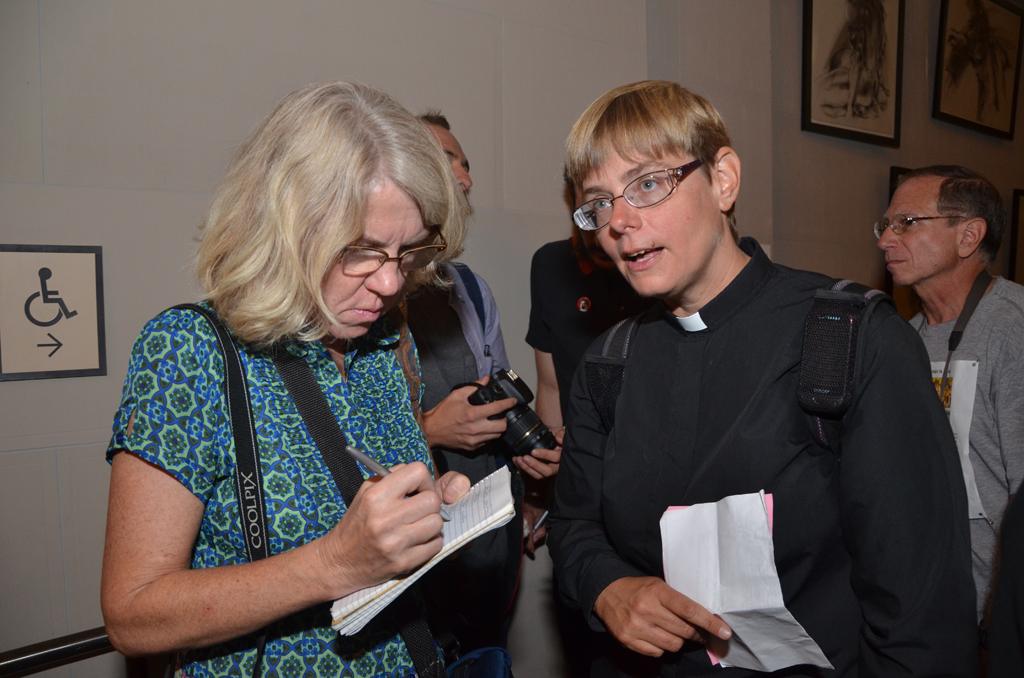
At 19:04 the room is already too warm. The front row is empty, the back row is defensive, someone has brought a folder of printed emails, and three people are hovering near the tea table rehearsing what they will say if they get brave enough.
This is the moment when a public meeting either becomes useful or becomes a pressure cooker with minutes. A good Bürgertreffen, a residents’ meeting, is not defined by how many people spoke. It is defined by what changed afterwards: a sharper ask, a list of affected people, a delegation, a date, a task team, a record that can travel.
Use this run-of-show when the issue is already warm and the group needs decisions, not just ventilation. Ventilation has its place. It is called a first twenty minutes, not an entire strategy.
Step 1: Decide the meeting’s job before you book the room
Do not start with “we should hold a meeting.” Start with one sentence:
“By the end of this meeting, participants will decide _ and leave with ___ assigned.”
Examples:
- decide whether to request a meeting with the school leadership and choose the delegation
- agree on the campaign ask before the next Gemeinderat, municipal council, session
- collect evidence from residents affected by a construction plan
- choose between petition, protest, or legal review
- form three work teams: outreach, documentation, and council monitoring
If the job is only “hear people’s concerns,” say so honestly and design for listening. If the job is decision-making, do not let the meeting drift into unlimited testimony. Both are valid. Confusing them is how frustration breeds.
Step 2: Invite for the people you actually need
A public meeting is not automatically inclusive because the door is open. The people most affected may be working late, caring for children, avoiding public exposure, managing mobility barriers, reading German slowly, or assuming the room has already decided without them.
In the invitation, include:
- the purpose of the meeting
- who the meeting is for
- what decisions may be made
- start and end time
- location, transport, and accessibility basics
- childcare or child-friendly information if available
- language support if available
- whether press, officials, or political parties will be present
- a contact for questions before the meeting
If accessibility is central, do not improvise from goodwill. Access Without Barriers has deeper guidance on designing participation that disabled people can actually use. Your job here is to make the meeting format honest: say what the room can and cannot provide, and fix what you can before people arrive.
Step 3: Build a facilitation team, not a heroic chairperson
One person cannot welcome late arrivals, track time, read the room, manage conflict, capture decisions, and notice who has not spoken. Build a small team.
Useful roles:
- facilitator: guides the agenda and names transitions
- timekeeper: protects the ending and each segment
- note-taker: captures decisions, not every sentence
- welcomer: greets people, explains the purpose, handles arrivals
- participation watcher: notices dominance, confusion, and missing voices
- care point: available outside the room if someone is overwhelmed
If the meeting may involve discrimination, harassment, or conflict between unequal parties, agree in advance how you will handle harmful comments. Equal Voices Initiative is the stronger handoff for discrimination-specific response. In your meeting, make the boundary plain: people can describe harm; they cannot use the room to repeat it at others.
Step 4: Open with the rules of the room
The first five minutes set the temperature. Do not begin with a long organizational biography. People did not come to admire your committee.
Open with:
- why the meeting is happening
- what the meeting can decide tonight
- what it cannot decide tonight
- the agenda and end time
- how people can speak
- what will happen with notes and contact details
Useful wording:
“Tonight is not the whole campaign. It is the place where we agree the next move. We will hear the main concerns, identify who has power over the decision, and leave with roles for the next two weeks.”
Name the decision rule. Are you seeking consensus, rough agreement, a vote, or volunteers for parallel options? Nothing makes a room suspicious faster than discovering at the end that “discussion” secretly meant “approval.”
Step 5: Separate testimony, analysis, and decision
Many public meetings collapse because every contribution is asked to do three jobs: tell a story, analyze the system, and propose a tactic. That rewards the most confident speakers and punishes people who came with one important piece.
Use three distinct segments.
First, testimony: short accounts of what people are experiencing. Use a time limit. Offer written cards for people who do not want to speak. Do not force pain into public performance.
Second, analysis: what patterns are visible? Which office, Ausschuss, landlord, provider, school body, or agency has power? What information is missing? This is where the facilitator keeps returning to the Civic Futures Lab test: what would change, who can change it, what gets them to act?
Third, decision: which next step fits the analysis? A meeting with officials? A petition? Documentation? A legal consultation? A protest? A smaller working group?
Keeping these separate is not bureaucratic fussiness. It prevents the loudest proposal from winning just because it arrived after the strongest story.
Step 6: Use formats that include quieter participants
“Any comments?” is not inclusion. It is an invitation to the already-ready.
Try these methods:
- One-minute writing before open discussion.
- Pair exchange before plenary: people test their thought with one person first.
- Round with pass option: everyone may speak once, no one must.
- Card collection: questions or concerns written anonymously.
- Dot voting on options after they are clearly explained.
- Small groups by task, not identity: outreach, evidence, decision-maker mapping, meeting delegation.
Also control repeat speakers. A facilitator can say, “We are going to hear from people who have not spoken yet,” without apologizing as if democracy were being injured. Democracy survives timekeeping. It often depends on it.
Watch who is doing translation, emotional support, childcare, chair stacking, and note clarification. If the same quieter participants are carrying the invisible work, your meeting is not as inclusive as it looks.
Step 7: Turn anger into an ask
Before the meeting moves to tactics, write the draft ask where everyone can see it.
Use this structure:
“We ask _ to by __, because _____.”
Examples:
“We ask the district office to publish the construction timeline by 15 May because residents cannot plan school routes, care shifts, and deliveries around rumours.”
“We ask the school conference to pause the timetable change until parents and students have reviewed the impact on after-school care.”
The ask may change during discussion. Good. But without a visible draft, the group debates feelings and tactics without a shared object. Put the sentence on paper, a board, or a projected document. Make disagreement concrete.
If the ask involves funding, room use, insurance, or becoming a Verein, an association, Community Roots Foundation is the better sibling for operational setup. Do not let paperwork swallow the strategy conversation, but do not pretend it will do itself.
Step 8: Close with names beside tasks
Never end with “we should all keep in touch.” That sentence has buried many campaigns in a shallow grave of goodwill.
Close with a task table:
| Task | Person or team | Deadline | Support needed |
|---|---|---|---|
| request meeting with council member | two-person delegation | Friday | one-page brief |
| collect resident statements | documentation team | next Wednesday | template |
| check legal deadline | named volunteer contacts adviser | tomorrow | copy of Bescheid |
| send notes to participants | note-taker | 48 hours | attendance list |
Ask for consent before adding people to a public list. Some participants can help privately. Some should not be exposed. That is a design fact, not a disappointment.
Step 9: Send follow-up within 48 hours
The meeting is not over when the chairs are stacked. Within 48 hours, send:
- the agreed ask
- decisions made
- tasks and deadlines
- next meeting or action date
- how to join a team
- what was not decided
- contact for corrections
Do not send a heroic essay. Send a usable record. If officials or press attended, separate public notes from internal organizing notes. Not every vulnerability belongs in a circulated PDF.
A public meeting that produces action is not magic. It is architecture: a clear job, honest invitation, protected participation, visible decisions, and follow-up fast enough that people still remember why they gave you their email address.
End with the next room already named. Otherwise the meeting becomes a story people tell later: “We were all angry that night.” Accurate, perhaps. Insufficient.