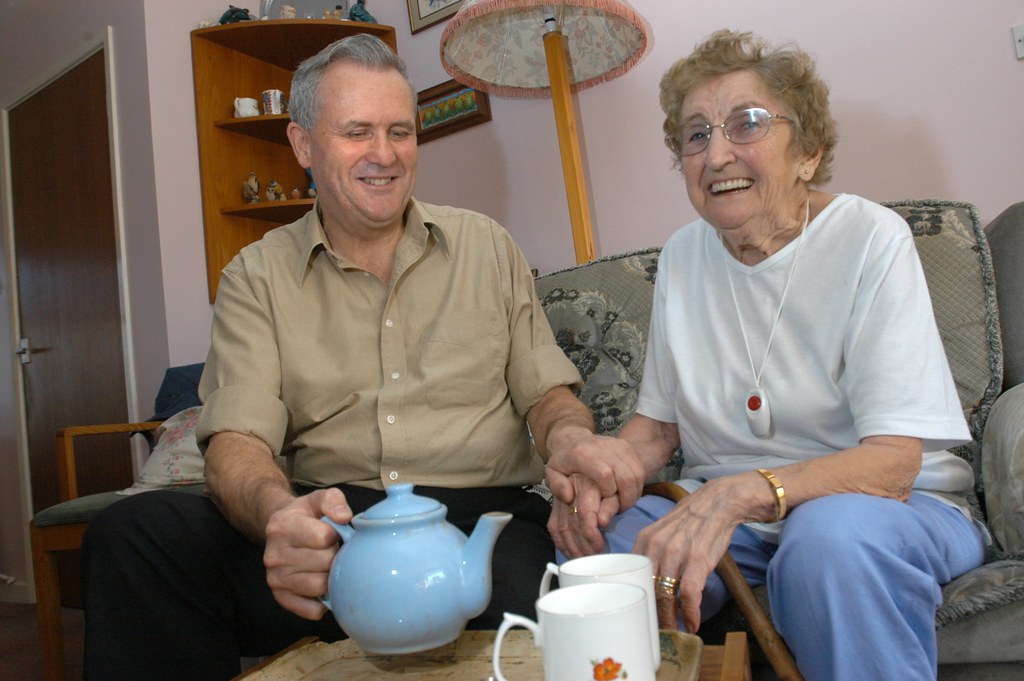
The right time to ask for help at home is not only after a fall, a hospital stay, or a family argument in the kitchen. Often the better time is earlier, when the question can still be asked calmly: what kind of support would make daily life safer, easier, and more self-directed?
Help at home should not be treated as a vote of no confidence. For many older people, it is support without surrender. A cleaner, meal service, handrail, medication reminder, care visit, mobility aid, or family rota can reduce pressure while leaving the person in charge of ordinary decisions.
This guide is written for older readers first and relatives second. If you are the person living at home, your preferences are central. If you are a supporter, your role is to widen options, not quietly replace the person’s judgment with your own.
Start with the pattern, not one bad day
Everyone has bad days. A single untidy week, missed phone call, or forgotten ingredient does not automatically mean a person cannot manage. Look for patterns that repeat, worsen, or create risk.
Useful questions include:
- Are ordinary tasks taking so much effort that there is no energy left for anything enjoyable?
- Are meals becoming irregular because shopping, cooking, or standing at the stove is too difficult?
- Are medications missed, doubled, or left unclear because the schedule is complicated?
- Are stairs, bathing, laundry, bins, or cleaning becoming unsafe?
- Is the person avoiding appointments, visitors, or local activities because leaving home is too hard?
- Are relatives compensating in invisible ways that cannot continue?
The decision is not “independent or dependent.” Most lives are mixed. The practical question is which tasks need support so the rest of life can remain chosen.
Decision path 1: daily tasks
Begin with the tasks that keep the household running: shopping, cooking, laundry, cleaning, paperwork, appointments, rubbish, heating, and small repairs. Ask which tasks are still manageable, which are possible but exhausting, and which are being avoided.
If shopping is the problem, support might be delivery, a neighbor arrangement, accompanied shopping, or a weekly family list. If cooking is difficult, the answer might be prepared meals, batch cooking with a supporter, adapted kitchen tools, or a lunch club. If cleaning is the burden, a paid cleaner may protect independence more than a relative arriving in a mood of inspection.
Small help can prevent larger loss. A person may be able to manage personal care well if laundry and floors are no longer draining all their strength. Do not wait until every task collapses before accepting help with one task.
Decision path 2: mobility and falls
Mobility changes often show up as route changes before they show up as crisis. Someone stops using the cellar, avoids the bath, no longer visits a friend because of the bus stop, or holds furniture while crossing a room. These are not character flaws. They are information.
A home safety check can look at loose rugs, lighting, stairs, bathroom entry, thresholds, bed height, chair height, cables, and outdoor steps. Home adaptations may include grab rails, a shower stool, a raised toilet seat, better lighting, non-slip surfaces, a stair rail, a ramp, or rearranged storage so heavy items are reachable without climbing.
Use aids as tools, not symbols. A rollator, walking stick, shower chair, or emergency call device is not a public announcement that life is over. It can be the thing that keeps a person going to the market, opening the door, or bathing without fear.
Decision path 3: medication and health routines
Medication problems are often system problems. Several doctors, changed prescriptions, similar packaging, eye strain, side effects, memory pressure, and unclear instructions can create risk even for a very capable person.
Start by making the routine visible. What is taken, when, why, and who prescribed it? Are tablets running out before appointments? Are old medicines still in the cupboard? Is there confusion between morning and evening doses? A pharmacy medication plan, pill organizer, reminder system, or regular check-in may help.
If health questions are being dismissed, appointments are inaccessible, or discharge from hospital feels unsafe, that belongs partly in the healthcare lane. Community Health Access Alliance has sibling guidance on preparing for appointments and unsafe discharge. For home support, the key point is that health routines should fit real life in the flat, not only instructions written at a desk.
Decision path 4: nutrition and drinking
Food is more than calories. It is strength, pleasure, routine, culture, and social contact. Warning signs include skipped meals, spoiled food, repeated weight change, not drinking enough, difficulty chewing, inability to carry groceries, fear of cooking, or eating only what requires no preparation.
Support might mean grocery delivery, shared meals, adapted utensils, dental or swallowing assessment, a regular lunch table, meal services, or help preparing food that the person actually likes. Do not reduce the conversation to “healthy eating” if the real barrier is pain, grief, money, transport, or loneliness.
If relatives are involved, ask what food means to the person. A freezer full of unfamiliar meals may solve a spreadsheet problem while making daily life smaller. Better support starts from existing tastes and routines.
Decision path 5: personal care
Personal care can be the hardest topic because it touches privacy. Bathing, dressing, continence, grooming, foot care, and getting in and out of bed are not just tasks. They involve modesty, habit, identity, and trust.
Approach the topic with permission. “Would it be useful to talk about making bathing easier?” is different from “You cannot manage anymore.” The first opens a door; the second pushes someone through it.
Support may involve bathroom adaptations, a chosen care service, a same-gender care worker where possible, planned visit times, continence advice, clothing that is easier to manage, or a relative helping only with the parts the person agrees to. Consent is not a one-time signature. It is an ongoing part of dignified care.
Pflegegrad and Pflegestützpunkt
If help is needed regularly, it may be time to ask about Pflegegrad. Pflegegrad means a recognized level of care need in Germany’s long-term care system. It can open routes to care benefits, services, respite, aids, or home adaptations, depending on the assessment and rules.
A Pflegestützpunkt is a local care support point. It can explain care options, applications, assessments, services, and family-care questions. You can use such advice before decisions feel urgent. Asking for information does not force you to accept a care package.
If legal authority for future decisions is a concern, ask about Vorsorgevollmacht. A Vorsorgevollmacht is an advance power of attorney that lets a trusted person act for you if you cannot make or communicate certain decisions later. It should be chosen carefully and voluntarily. It is not a shortcut for relatives to take over while you are still able to decide.
How can families discuss care without taking over?
A good care conversation starts with the older person’s priorities, not the relative’s anxiety. Try questions such as:
- “What feels most tiring at home now?”
- “Which task would you gladly hand off if it did not mean losing control?”
- “What do you definitely not want changed?”
- “Would you prefer family help, paid help, advice first, or time to think?”
Relatives should be honest about their limits without using those limits as pressure. “I can come on Tuesdays, but I cannot safely manage daily medication checks” is clearer than silently taking on too much and then exploding. The goal is a plan that does not depend on guilt or mind-reading.
Avoid secret meetings about the person. If relatives need to coordinate, make the purpose clear and bring the person’s view back into the center. If there are memory concerns or conflict about risk, AWDA article 09 is the more specific sibling handoff for care conversations where capacity, trust, or family pressure may be part of the issue.
What kinds of support may allow someone to stay at home?
Support can be layered. It may include home help, nursing care, day care, meal services, transport assistance, medication organization, mobility aids, emergency call systems, home adaptations, social visits, paperwork support, cleaning, laundry, respite for family carers, or a regular check-in from a trusted person.
The best plan is usually not the largest plan. It is the plan that fits the actual risk and respects the person’s life. Start with the task causing most strain or danger. Review after a few weeks. Keep what helps. Change what does not.
Home is not only a building. It is the place where habits, neighbors, memories, control, and privacy live. Asking for help at home is not a declaration that home has failed. Done well, it is how home remains possible.