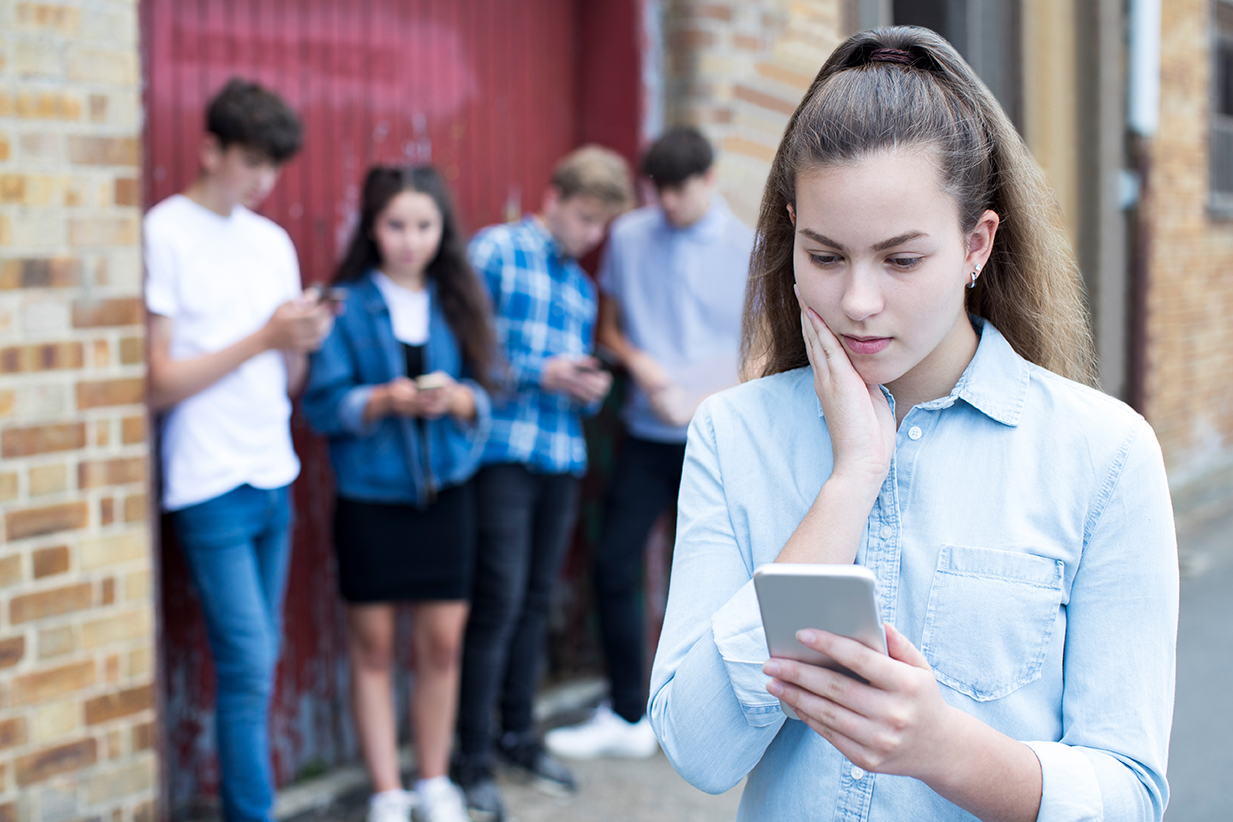
If private or intimate images have been shared without your consent, the first fact is simple: this is not your fault. Not because you trusted the wrong person, not because you took a photo, not because you waited before telling anyone, and not because you feel too shocked to act in a neat order.
Platforms often build the burden backwards. They ask the person harmed to find every copy, complete the right form, choose the right category, and explain a violation that should already be obvious. This guide is written for that unfair situation. You do not have to do all of this. Do what is possible today, and let safety come before completeness.
Phase 1: Check Immediate Safety
Before takedown work, ask whether there is an immediate risk offline. Is the person threatening to come to your home, workplace, school, or a place where you can be found? Are they using the images to force contact, money, sex, silence, or another action? Do they have keys, shared devices, passwords, or access to your accounts?
If there is immediate physical danger in Germany, call emergency services or police through 112 or 110. If you are not in immediate danger but are being threatened, pressured, or stalked, consider speaking with a local victim support service, a lawyer, a counselling centre, or a trusted organization before contacting the person responsible. For women affected by violence, the Hilfetelefon Gewalt gegen Frauen at 116 016 can provide confidential support. Not every survivor will fit that service, and that is okay; general victim support and psychosocial counselling can also be appropriate.
If you live with, work with, study with, or depend on the person who shared or threatened to share the images, plan before confrontation. A direct message may escalate the situation. If you need to communicate, keep it short and factual, and consider having a trusted person nearby.
Phase 2: Preserve Enough Evidence, Safely
You may want the content gone immediately. That is understandable. Before reporting, try to preserve enough evidence to show what happened, without repeatedly viewing the material or storing more than you can safely keep.
Useful evidence can include:
- the platform, username, profile link, and post link where the image appears
- the date and time you saw it, including your time zone if relevant
- screenshots that show the account, surrounding context, and URL where possible
- messages where the person threatened, admitted sharing, demanded something, or named other places they posted it
- names of people who saw the content or received it
Do not over-describe the image in notes. You can write “private image shared without consent” or “intimate image posted in group chat” instead of creating a detailed description. If the content involves your nudity or sexual privacy, avoid saving it in a shared photo roll, cloud album, family device, or work account. If you can, place records in a protected folder or send them to a trusted support person or adviser using a secure channel.
Digital evidence is its own craft. Digital Dignity Lab’s guide on preserving digital evidence explains screenshots, URLs, exports, storage, and when not to keep harmful material on your own device. For this situation, preserve enough to support removal and advice. You do not need a perfect archive before asking for help.
Phase 3: Request Urgent Removal on the Platform
Most large platforms have reporting routes for non-consensual intimate images, sexual privacy violations, harassment, blackmail, impersonation, or private information. The labels vary, and that is part of the problem. If there is no exact category, choose the closest urgent safety or privacy category rather than a general “I do not like this” report.
In the report, keep the wording direct:
- “This is an intimate/private image of me shared without my consent.”
- “I am the person shown, and I did not agree to publication.”
- “The poster is using this to harass, threaten, or pressure me.” Include this only if true.
- “Please remove the content urgently and preserve relevant records according to your policy.”
Attach only what the form requires. If the form asks for identification and you are worried about exposing more information, pause if you can and seek support. Some platforms need enough information to verify that you are the affected person, but they should not casually collect more sensitive data than necessary.
If the image appears in a group, channel, forum, or shared drive, report both the individual item and the space hosting it. If someone is repeatedly re-uploading the content, report the account for repeated abuse as well as each post. If a platform rejects the report, appeal if there is an appeal button or follow-up route. Use the same plain wording and add: “The previous decision missed that this is non-consensual sharing of a private/intimate image.”
Phase 4: Reduce Spread Without Chasing Every Copy
It is common to feel pulled into searching everywhere. That can become harmful quickly. You are allowed to set a time limit, ask someone else to search, or stop searching entirely.
If the content appears in search results, you can ask the search engine to remove the result or de-index it. This does not always delete the original post, but it can reduce discovery. If the image is hosted on a website, there may be a site contact, hosting provider route, or privacy complaint route. Use cautious wording and do not send more private material than needed.
Under EU data protection law, you may have rights to ask for deletion of personal data, to object to certain processing, and to access information held about you. In practice, those rights can be slow compared with urgent platform takedown tools. Use the fastest safety route first, then consider data-protection complaints or legal advice if removal is refused or the material keeps resurfacing.
If the person is threatening to share images unless you do something, treat that as coercion, not negotiation. Do not send more images to “prove” anything or to satisfy a demand. If you are considering paying money, meeting the person, or complying with a threat, speak with a trusted support service or lawyer first if at all possible.
Phase 5: Tell Selected People Before the Abuser Does
You do not owe anyone a full explanation. But a short message to a few trusted people can reduce panic and prevent the person responsible from controlling the story.
For example:
Someone shared private material of me without consent. I am handling removal and support. Please do not search for it, forward it, describe it, or contact the person. If you receive anything, save the sender details and tell me in the safest way we agree.
Choose people who can follow instructions. A well-meaning person who starts confronting, reposting, or investigating can make the spread worse. If work, school, housing, or family safety is affected, consider whether a manager, school contact, union representative, student support office, or trusted colleague should receive a brief factual note. Keep the circle small at first.
If the harm involves outing, identity exposure, or threats tied to sexual orientation or gender identity, Digital Dignity Lab is not the best place for the specific safety planning. Queer Safety & Belonging Network covers outing and doxxing risks in more depth. If the abuse is racist hate, Equal Voices Initiative covers community impact and hate-reporting context while Digital Dignity Lab covers the digital mechanics.
Phase 6: Consider Legal and Complaint Routes
In Germany and the EU, non-consensual sharing of intimate or private images can raise privacy, data protection, civil, and criminal-law issues depending on what happened. This article is general information, not legal advice for your case. The useful question is not “Is this serious enough?” It is “Which route gives me safety, removal, accountability, or documentation with the least extra harm?”
Possible routes include:
- platform reports and appeals for immediate removal
- search-result removal requests
- a lawyer’s letter or civil-law advice where the person is identifiable
- police reporting, especially where there are threats, coercion, stalking, extortion, or repeated distribution
- complaints to a data protection authority where a service refuses reasonable deletion or mishandles your personal data
- counselling, victim support, or psychosocial support, whether or not you report to police
You can ask a support person to accompany you to appointments or help draft reports. You can also decide not to use a route right now. Delay does not mean consent. Freezing, minimizing, or changing your mind are common responses to violation.
Phase 7: Protect Accounts and Devices
Private-image abuse often happens alongside account compromise, shared-device access, or password misuse. If you can, change passwords for email, cloud storage, social accounts, and messaging apps. Start with the email account that resets your other passwords. Turn on two-factor authentication. Check active sessions and logged-in devices. Review cloud photo sharing, shared albums, backup folders, and old devices.
If the person responsible had access to your phone, laptop, password manager, or recovery codes, consider using a device they cannot access while you change settings. If you share a household, do this carefully. Security steps should not create more danger.
If You Can Only Do Three Things Today
First, protect immediate safety: get away from urgent danger and involve emergency help if needed. Second, save the link, username, date, and one or two screenshots if you can do so safely. Third, file the most direct platform report available for non-consensual intimate or private images, and ask one trusted person to help you avoid doing the whole process alone.
After that, the next step can be smaller than the problem: one appeal, one support call, one password changed, one person told not to forward anything. The platforms should have built systems that remove this material quickly and stop re-uploads without making you become an investigator. Until they do, layered safety means choosing the next workable action, not carrying the whole burden at once.