Ageism is often treated as a small insult: a joke about forgetfulness, a birthday card about decline, a comment that someone is “still” active. Those moments matter, but ageism is larger than tone. It is a way of sorting people by age and then lowering expectations, choices, rights, or resources because of that sorting.
In German, Altersdiskriminierung means discrimination on the basis of age. It can affect younger people too, but this article focuses on older people because the pattern is so often excused as realism, efficiency, or concern. The Ageing With Dignity Alliance uses a different starting point: older people are decision-makers first. Support should expand choices, not replace them.
Myth: Ageism is just rude language.
Reality: Language is one part of a wider system.
Words shape what becomes thinkable. If older people are constantly described as a burden, a wave, a cost, a risk group, or “not digital,” institutions begin to plan around them rather than with them. That framing can influence budgets, workplace decisions, healthcare conversations, product design, and public participation.
Ageism also appears without hostile words. It can be a meeting scheduled only online with no phone option. It can be a doctor speaking to an adult child instead of the patient. It can be a recruiter assuming an applicant will not learn new software. It can be a public consultation held in a format that excludes people who do not use the chosen platform.
The harm is not hurt feelings alone. The harm is reduced control.
Myth: Older workers are less adaptable.
Reality: Adaptability depends on opportunity, training, health, workplace design, and respect.
In employment, ageism can appear before a person is even interviewed. Job advertisements may use coded language about being “young,” “dynamic,” or “fresh.” Recruiters may assume an older applicant is too expensive, too slow, close to retirement, or uncomfortable with change. At work, older employees may be passed over for training because managers assume investment is not worthwhile.
The result is circular. A worker is denied training, then judged for not having the newest certificate. A person is excluded from challenging projects, then described as lacking ambition. A team designs new tools without older workers’ input, then blames individuals for struggling with workflows they were not invited to shape.
Employment law and workplace complaint mechanics belong with Fair Work & Workers’ Rights Collective. The AWDA point is cultural and organizational: do not confuse age with ability, and do not use future retirement as an excuse to narrow someone’s present choices.
Myth: Healthcare decisions are purely medical, so age bias is unlikely.
Reality: Age can quietly shape who is believed, investigated, treated, or offered options.
Healthcare professionals make difficult decisions under pressure, and age can be medically relevant. But ageism enters when age becomes a shortcut. Pain may be dismissed as “normal at your age.” Depression may be treated as inevitable loneliness. Rehabilitation may be offered less enthusiastically. Symptoms may be attributed to ageing before other causes are checked. Family members may be addressed even when the older patient can speak and decide.
The most important question is not whether age is mentioned. It is whether the person is still treated as an individual with goals, risks, preferences, and the right to understand options. A treatment may be inappropriate for medical reasons. That is different from assuming an older person would not benefit, would not understand, or would not value recovery.
For patient-rights detail, records, complaints, and consent, Community Health Access Alliance is the right sibling handoff. Here, the myth to challenge is that “careful because of age” and “dismissive because of age” are the same thing. They are not.
Myth: Digital design is neutral.
Reality: Digital systems carry assumptions about bodies, devices, time, money, and support.
A service may look neutral because the same screen is shown to everyone. But the screen may assume a current smartphone, quick eyesight, steady hands, fast reading, private email, reliable internet, comfort with codes, and the ability to troubleshoot errors alone. When those assumptions fail, the person is often labeled “not capable” rather than the design being labeled incomplete.
Ageism in digital design appears when older users are invited only at the end, after the main decisions have been made. It appears when accessibility is treated as charity. It appears when staff suggest that an older person should simply ask a child or grandchild to manage the account. That suggestion may expose private health, banking, housing, or family information.
Digital help should follow the principle of support without surrender. A person may want assistance without handing over passwords, authority, or privacy. The wider digital-exclusion analysis sits outside this article; AWDA’s concern here is that design must preserve autonomy at every age.
Myth: Media stereotypes are harmless because everyone knows they are exaggerations.
Reality: Repetition sets the background music for public decisions.
Media often swings between two narrow images: the frail older person who exists only as a care need, and the exceptional older person praised for not seeming old. Both frames are limiting. One erases capacity; the other makes dignity depend on looking untouched by age.
Better representation shows older people as neighbors, workers, artists, voters, carers, organizers, learners, partners, tenants, patients, and experts in their own lives. It includes disagreement, humor, grief, ambition, sexuality, cultural difference, disability, and ordinary complexity. It does not require every older person to be inspiring before they are respected.
Organizations producing campaigns, news, or public information should ask: Are older people quoted only about ageing, or also about housing, climate, transport, work, culture, and democracy? Are images diverse without being tokenistic? Are people named as contributors, not props?
Myth: Service access problems are individual misunderstandings.
Reality: Repeated “misunderstandings” often reveal a design problem.
If many older people miss letters, fail authentication, arrive without the right document, cannot use the appointment system, or need repeated clarification, the service should not assume the users are the problem. It should examine the route.
Ageism in service access can look like impatience at the counter, smaller print on important forms, phone menus that never reach staff, offices that require online booking only, or rules explained once and then treated as obvious. It can also appear when staff speak to a younger companion instead of the older person whose case is being discussed.
Good service design gives people more than one way to complete essential tasks. It uses plain language, confirms receipt, allows questions, provides privacy, and keeps human routes open where consequences are serious. Efficiency is not efficient if it produces errors, repeat visits, missed deadlines, and loss of trust.
Myth: Internalized ageism is a personal confidence issue.
Reality: People absorb the messages they hear for decades.
An older person may say, “I am too old for that,” “I do not want to be a nuisance,” or “You decide; young people know better.” Sometimes that is personal preference. Sometimes it is the result of being repeatedly told, directly or indirectly, that asking for time, training, desire, work, treatment, or public voice is unreasonable after a certain age.
Challenging internalized ageism does not mean forcing positivity. Ageing can involve pain, loss, fatigue, disability, and practical limits. Dignity does not require pretending otherwise. The issue is whether limits are named accurately or inflated into a general surrender of choice.
Supporters can help by asking before acting: “Do you want me to do this, or do you want me to sit with you while you do it?” “Do you want advice, company, or someone to take notes?” Small wording can return authority to the person whose life is being discussed.
Myth: Inclusion means inviting one older person to comment at the end.
Reality: Inclusion means sharing power early enough to change the outcome.
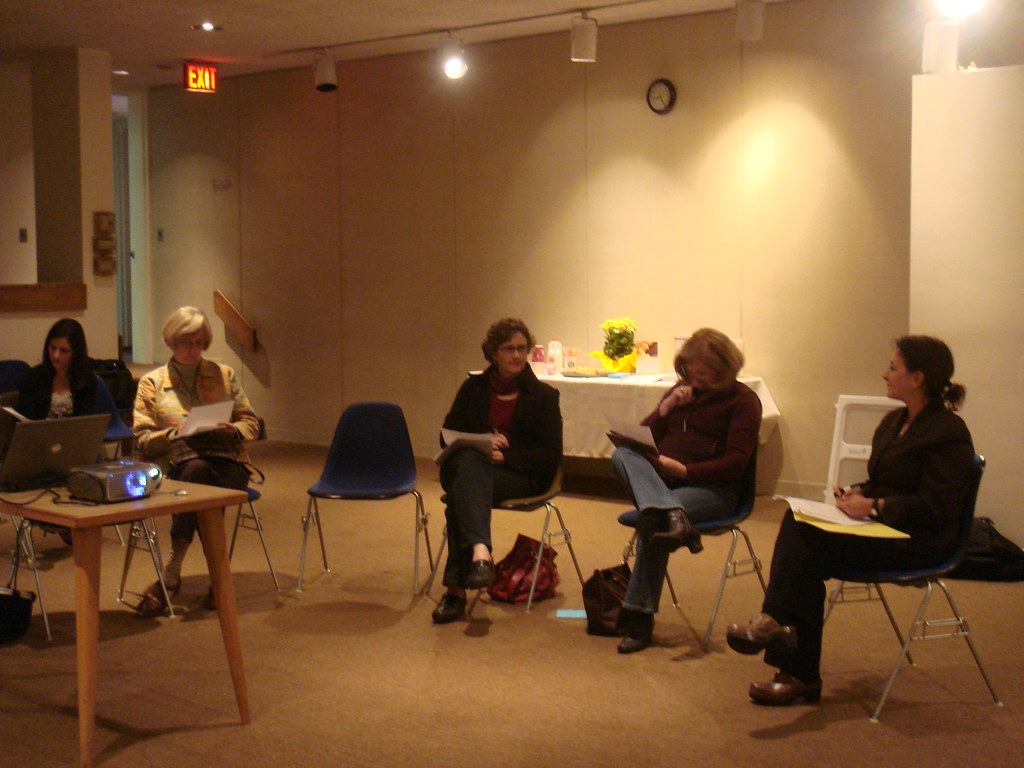
Organizations often consult older people after a policy, service, building, campaign, or digital tool is mostly finished. At that stage, feedback may be welcomed but not influential. Real inclusion starts before the agenda is fixed.
Include older people in problem definition, design, testing, decision-making, evaluation, and governance. Pay or otherwise recognize their time where appropriate. Offer accessible meeting formats: in-person, telephone, paper, digital, plain-language materials, transport consideration, hearing support, breaks, and enough notice. Do not make participation depend on one platform.
Avoid treating older people as one group. Age intersects with disability, migration history, gender, class, race, sexuality, rural location, housing, care responsibilities, and income. A retired homeowner, a low-paid older worker, an older tenant, and an older person in residential care may all face ageism differently.
Civic Futures Lab is the better handoff for participation methods in general. AWDA’s standard is specific: older people should be present where decisions are made about services, budgets, workplaces, care, media, and technology that affect them.
What collective response looks like
Ageism is not solved by individual politeness alone. Organizations can review recruitment, training access, healthcare communication, digital authentication, public imagery, consultation methods, and complaint routes. They can track whether older people are missing from advisory boards, user testing, leadership pipelines, and public events. They can ask whether “efficiency” has become a cover for exclusion.
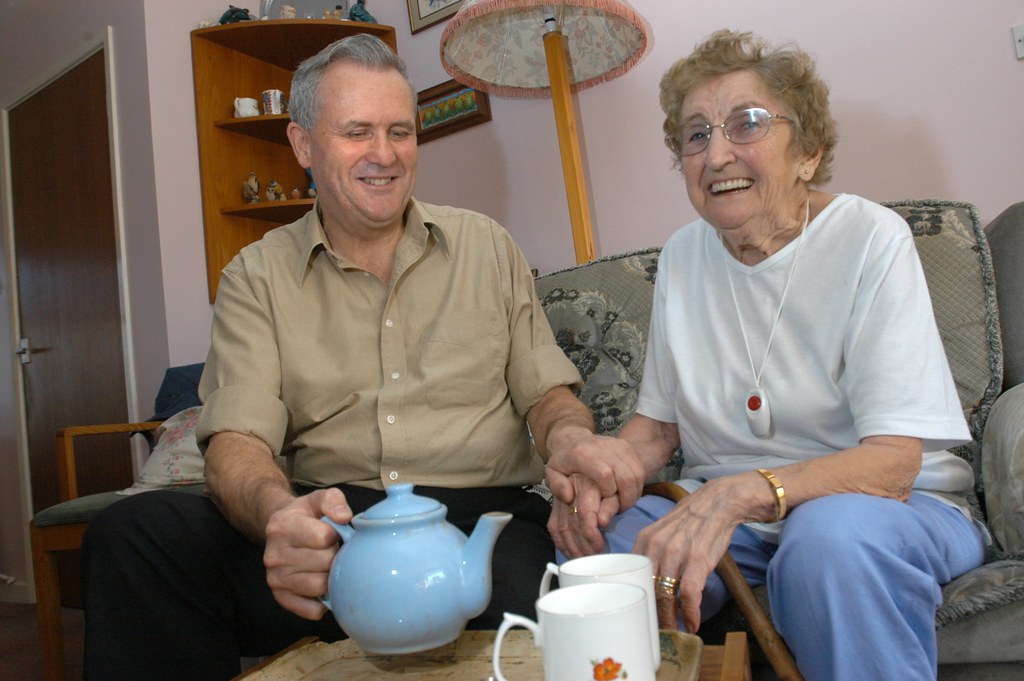
Communities can challenge jokes that normalize decline, support older people who speak up, and refuse the habit of moving conversations about older people into rooms where they are absent. Families can practice support without surrender: help with forms, appointments, transport, or technology while leaving decisions with the person as far as possible.
The test is practical. Does this action leave older people with more voice, more choice, and more control? If not, it may be care-shaped ageism. Dignity requires better.