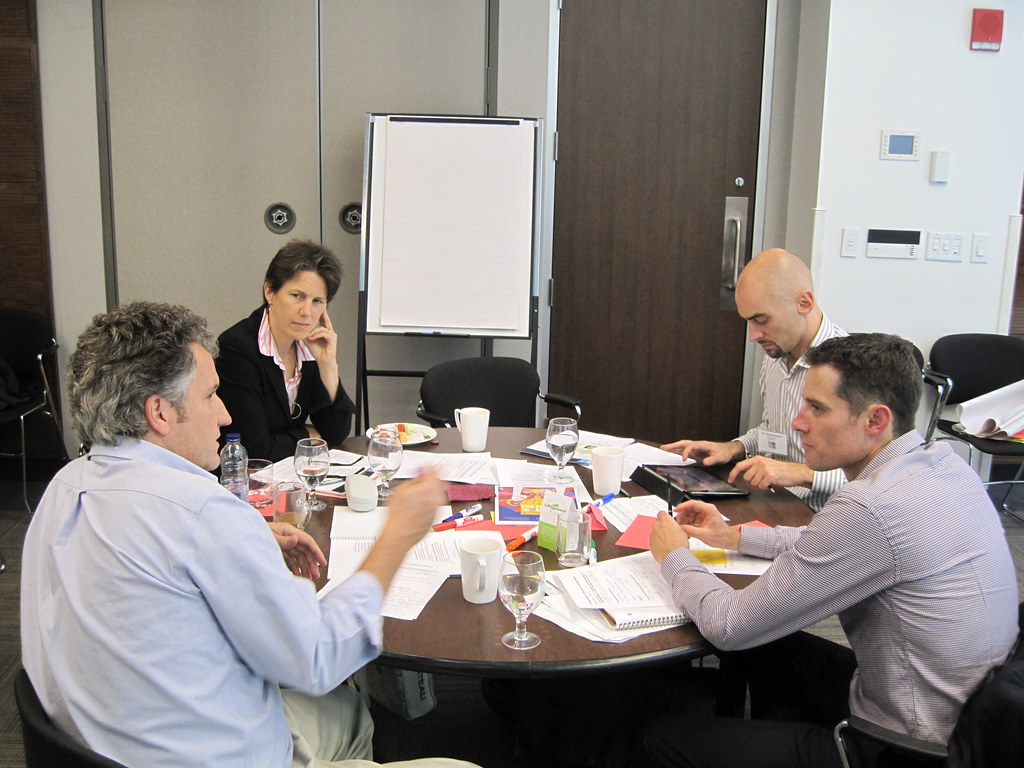
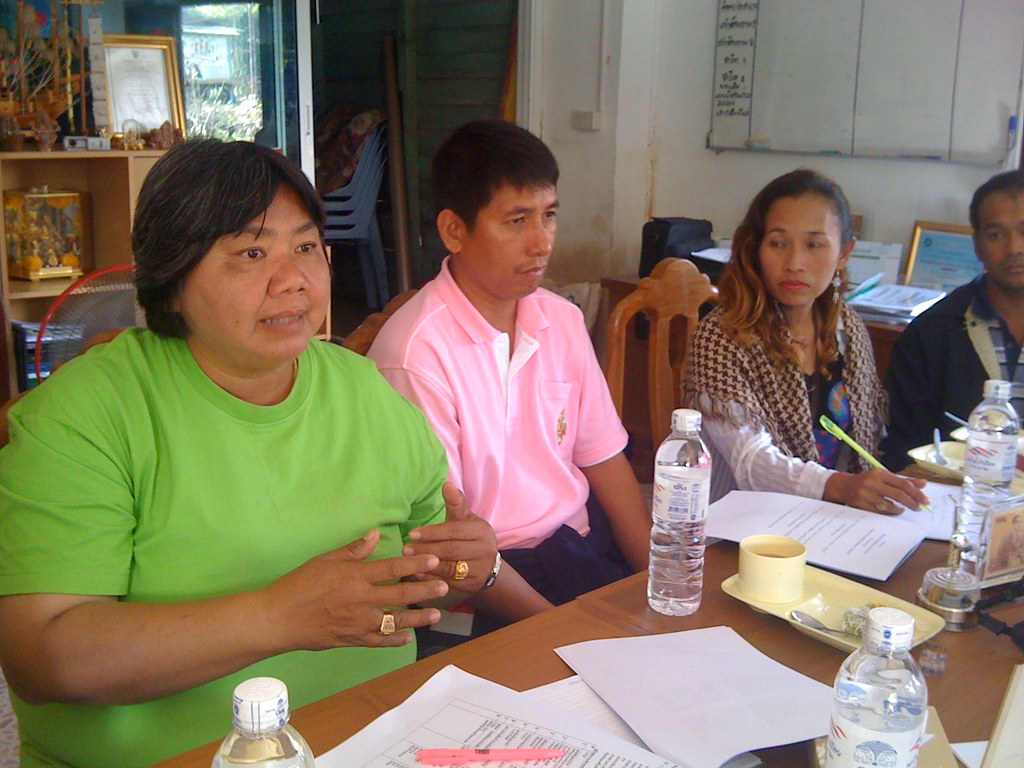
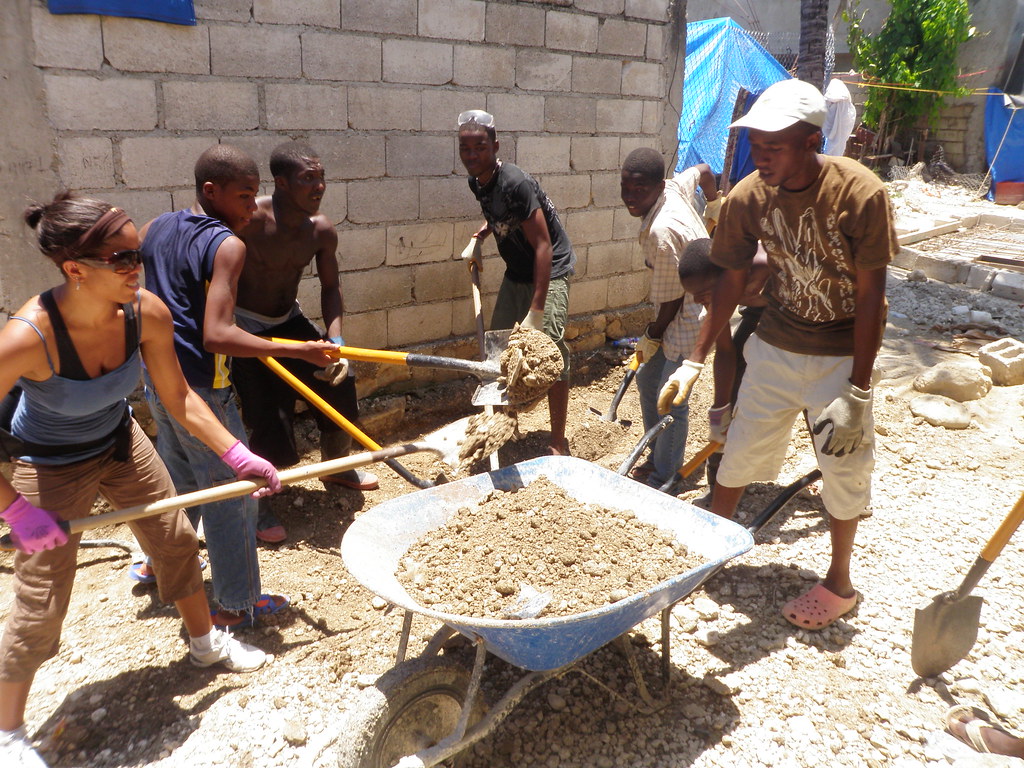
A project can begin with a table, a borrowed key, and three people who agree to come back next week. That is not a weakness. Many useful neighborhood projects start before anyone has statutes, a board, or a stamp.
The question is not “How do we look like a formal organization as quickly as possible?” The better question is “What is the smallest structure that lets people trust us with time, money, and responsibility?” The paperwork should be smaller than the project.
This is general practical guidance, not legal advice. Rules around liability, tax, and public funding can vary by arrangement, so ask a qualified adviser before signing anything large, risky, or long term.
Wie starten wir ein Nachbarschaftsprojekt ohne Verein?
Start with a project description that fits on one page. Name the need, the people you want to serve or involve, the first activity, the place, the rough timing, and who is currently responsible. Avoid the temptation to describe the full future organization. You are trying to make the first version possible.
For example:
- A weekly homework table in a community room.
- A neighborhood repair afternoon every second Saturday.
- A shared meal for older residents who are already loosely connected.
- A small cultural event organized by residents of one housing estate.
Then decide what must be true before you invite others. Do you have permission to use the space? Who opens and closes? Who buys materials? Who keeps receipts? Who handles a concern if something goes wrong? Informal does not mean vague. It means the structure is proportionate.
Do we need a legal entity before applying for support?
Often, no. Some funders support informal groups directly, especially for small, local, low-risk projects. Others require a legal entity because they need someone who can sign an agreement, receive money into an account, hold insurance, and submit proof of spending.
Before you assume you must create a Verein, read the funder’s requirements carefully or ask a simple question: “Can an informal group apply, or do we need a partner organization to hold the funds?” This is normal. Good small-grant makers hear it all the time.
If the answer is no, you have three common routes:
- Apply as an informal group if the funder allows it.
- Work with a fiscal host, often a local Verein, welfare organization, cultural center, church-related body, migrant organization, school support association, or neighborhood house.
- Partner with an existing organization that applies with you or for you.
Each route has a cost. Applying informally is light, but may limit the size or type of support. A host can unlock funding, but adds coordination and trust questions. Creating your own Verein gives more independence, but also creates duties that do not disappear when everyone is tired.
What is a fiscal host?
A fiscal host is an existing organization that receives and administers funds for your project. In German settings you may also hear words like Träger, Projektträger, or Mittelweiterleitung, depending on the arrangement. The host may sign the funding agreement, pay invoices, reimburse costs, and help with accounting.
This can be useful when your group has energy and relationships, but not a bank account, bookkeeping system, insurance, or legal status. A good host does not swallow the project. It holds the administrative frame so the people closest to the neighborhood can do the work.
Agree the basics in writing before money moves:
- What exactly is the project?
- Who decides on day-to-day spending?
- Which costs need approval first?
- How are receipts submitted and by when?
- Can the host charge an administration contribution?
- Who is named publicly as the project group?
- What happens if the project changes or stops?
Keep the agreement plain. A one-page note can be enough for a small project if all parties understand it. Larger grants need more formal arrangements.
What basic structures does an informal group need?
You need fewer structures than a formal organization, but you still need some. The minimum is a clear answer to six questions.
First, who can decide? Name two or three people who can make ordinary project decisions. If every decision needs the whole chat group, the project will stall.
Second, who holds money? Avoid using one person’s private account if you can, especially once donations or grant money are involved. If there is no alternative for a very small first test, write down exactly what came in, what went out, and keep receipts. Move to a cleaner arrangement as soon as real funding appears.
Third, who communicates externally? Funders, room managers, parents, neighbors, and partner organizations should not receive five different versions of the plan.
Fourth, who looks after access and inclusion? This does not mean deep safeguarding policy for every small event. It does mean thinking about language, physical access, cost, timing, and who may feel unwelcome. For child protection or family safeguarding depth, Safe Childhood & Family Support Network is the better place to go.
Fifth, how do people join or leave the core team? Informal groups can become closed without noticing. Make it clear how new helpers are welcomed and how tired people can step back.
Sixth, where is the memory kept? Store the current project description, budget, contacts, passwords if any, key agreements, and receipts somewhere more than one trusted person can access. A neighborhood project should not collapse because one phone is lost.
Can we collect donations without being a Verein?
Small informal collections are common: a jar at an event, residents sharing the cost of materials, a neighbor paying for tea. Problems begin when money becomes regular, public, or promised for a specific purpose.
Be honest with supporters. Say who is collecting, what the money is for, whether donations are tax-deductible, and what will happen if you raise more or less than expected. Do not issue donation receipts unless you are legally allowed to do so. In Germany, tax-deductible donation receipts usually require a recognized nonprofit status through an eligible organization.
For public fundraising, a fiscal host may be cleaner. The host can receive donations, issue receipts if eligible, and separate project money from private money. That protects both the project and the person who would otherwise become the unofficial treasurer.
What about liability and insurance?
Ask boring questions early. Who is responsible if someone trips over a cable? Does the room provider’s insurance cover your activity? Are volunteers covered while setting up? Are you preparing food, transporting people, using tools, working with children, or running an event in public space?
For a low-risk conversation circle, the answer may be simple. For a repair workshop, street event, youth trip, or public meal, the answer matters more. This is one place where structure can earn its cost. A host organization may already have insurance, risk routines, and experience with permissions. A Verein may eventually make sense if you repeatedly run activities with real liability exposure.
Do not let liability anxiety kill every small idea. Do let it shape the first version. A repair afternoon can start as a demonstration rather than hands-on tool use. A food project can begin with packaged food before cooking for a large group. The first step can be modest while you learn what structure is needed.
When does becoming a Verein make sense?
Forming a Verein can be worthwhile when your activity is no longer a one-off project but an ongoing body of work. Signs include repeated funding applications, recurring donations, paid staff or honoraria, contracts for space, equipment ownership, regular work with children or vulnerable adults, and decisions that affect many people.
A Verein can provide membership rules, elected responsibility, a bank account, clearer liability arrangements, and a recognizable counterpart for public bodies. It can also create board workload, meetings, filings, accounting duties, and conflict about who officially speaks for the group.
The honest test is this: would formalization reduce confusion more than it increases administration? If yes, explore it. If no, keep the project lighter for now.
How do we stay informal without becoming chaotic?
Use a few simple routines.
- Keep a decision note: date, decision, who agreed, next action.
- Keep a money sheet: income, spending, receipt location, remaining amount.
- Keep a contact list with consent: who may be contacted about what.
- Hold a short check-in after each activity: what worked, what was difficult, what changes next time.
- Review the arrangement after the first three activities or the first grant period.
The goal is not to imitate a large organization. The goal is to make trust visible. Volunteers should know what they are taking on. Participants should know who to approach. Funders should see that public or donated money is handled carefully.
If your project grows into campaign demands, public pressure, or strategic organizing, Civic Futures Lab is the better hand-off. If your project stays in the lane of funding, roles, basic operations, and local relationships, a small, clear structure can carry a surprising amount.
Start with the smallest responsible version. Write down enough that the next person can help. Add structure when it solves a real problem, not because paperwork feels more official than people doing useful work together.