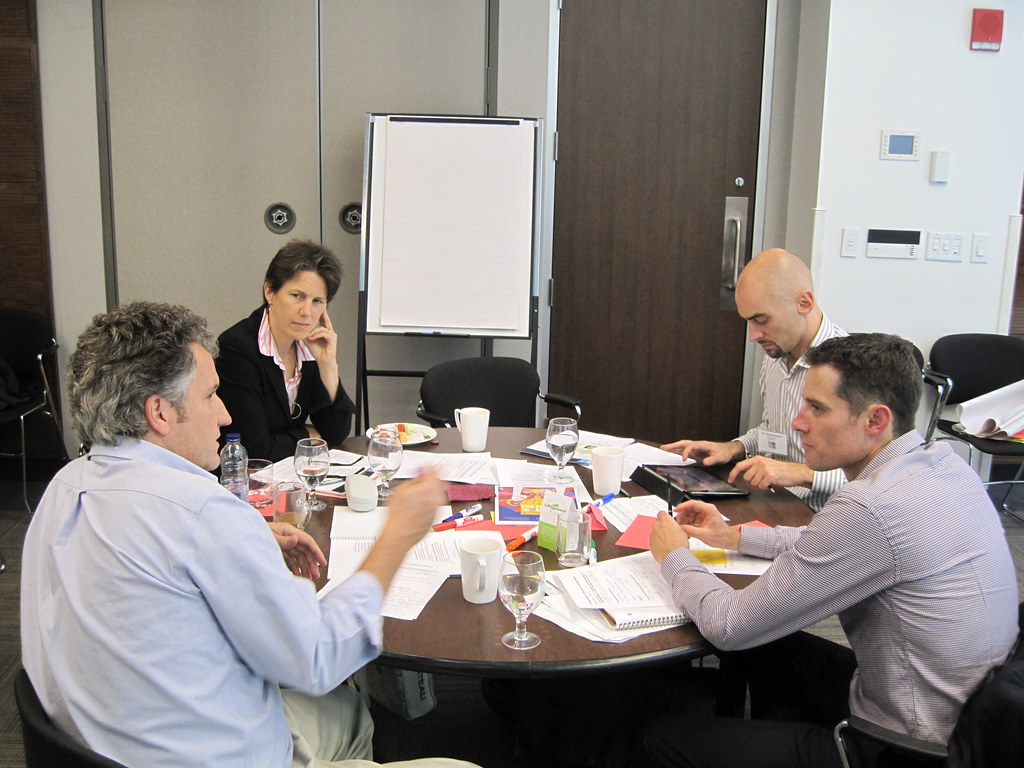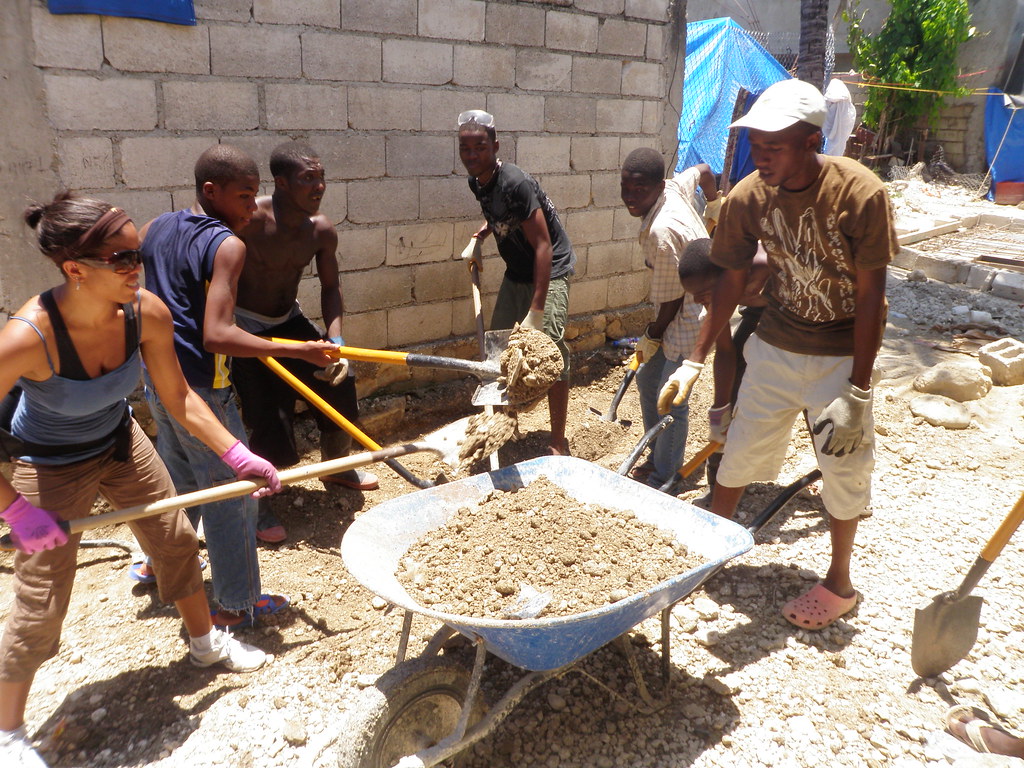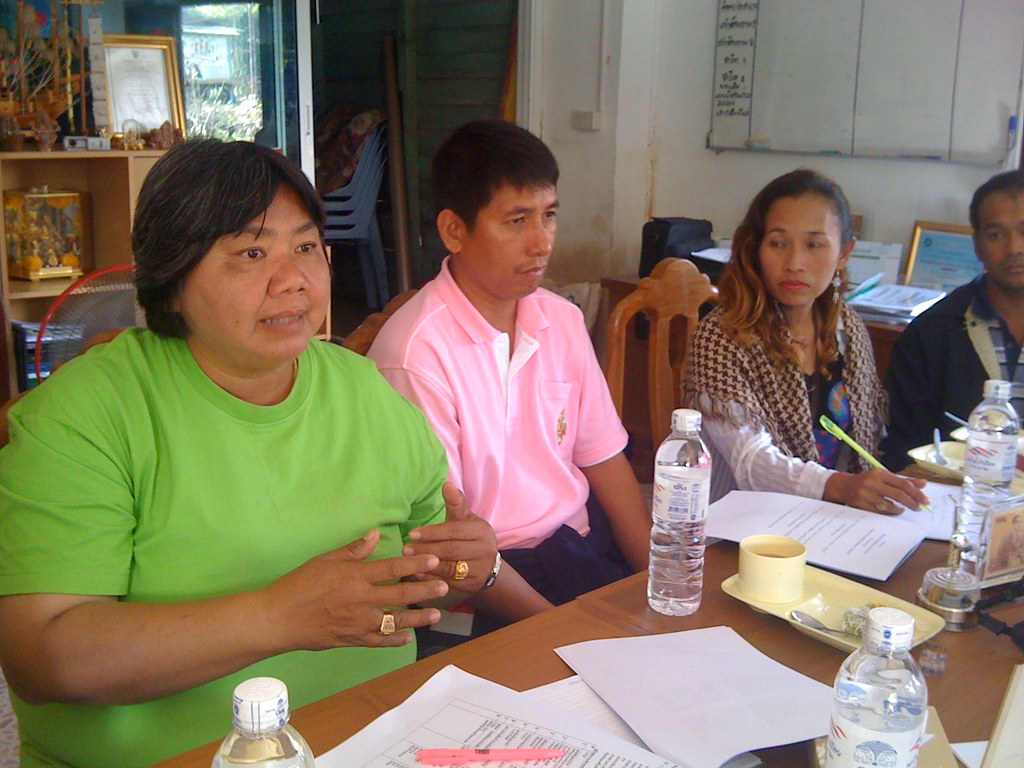
Crisis plans written during calm weeks are usually less dramatic and more useful than plans invented in a panic.
For a neighborhood group, preparation does not mean pretending to be the fire brigade, medical service, Sozialamt, police, or housing authority. It means knowing what your community can do well: notice who is missing, share trusted information, translate practical messages, open familiar rooms when appropriate, move small resources quickly, and connect people to professional help without making them tell their story five times.
Mutual aid should complement professional services, not replace them. In an emergency, call the relevant emergency number or service. In Germany, 112 is for fire and medical emergencies, 110 for police emergencies, and 116 117 for urgent medical help when it is not life-threatening. A neighborhood network is not a substitute for those routes. It is the layer of trust and practical support around them.
Master checklist
Keep the kit small enough that someone can update it on an ordinary Tuesday.
- Make a local contact map with people, places, and roles.
- Identify trusted messengers before rumors spread.
- Prepare two or three communication channels, including one offline route.
- Set up a small emergency fund or rapid spending rule.
- Plan respectful outreach to residents who may need extra support.
- Decide what personal data you will not collect.
- Know when and how to coordinate with professional services.
- Practice with a light annual review.
The aim is not a perfect binder. The aim is a working memory for the neighborhood.
1. Make a local contact map
A local emergency contact network should include more than phone numbers. It should show who can do what, where decisions sit, and which contacts are for ordinary coordination rather than emergencies.
Useful categories include:
- core neighborhood contacts who can coordinate calmly
- keyholders for community rooms, kitchens, storage, or equipment
- language contacts for common local languages
- people with transport capacity
- contacts in local Vereine, faith communities, schools, daycare settings, senior groups, tenant groups, and cultural associations
- nearby pharmacies, medical practices, advice centers, shelters, and public offices as institution types, not private favors
- contacts for building managers or landlords where relevant
- volunteers able to help with shopping, check-in calls, form reading, charging devices, or setting up rooms
Do not make the map a public directory of vulnerable people. That can create risk. Store sensitive details separately, with consent, and only if the group truly needs them. Often the safer version is: “The Tuesday senior group coordinator knows who prefers a call” rather than a shared spreadsheet naming every health condition.
Update the map at least twice a year. Dead phone numbers are not neutral. They waste time when time is already tight.
2. Identify trusted messengers
In a crisis, information travels fast and unevenly. The loudest channel is not always the most trusted one.
Trusted messengers are people or groups residents already listen to: a caretaker, youth worker, mosque committee member, kiosk owner, parent group admin, Verein chair, hairdresser, school social worker, tenant spokesperson, or volunteer who has been around for years. They do not all need to be official leaders. They need to be reachable, careful, and willing to pass on verified information.
Before a crisis, ask them what channels they use and what languages they can help with. Agree on a simple rule: do not forward unverified claims as fact. If something is uncertain, say it is uncertain. If a message comes from a public authority, preserve the source. If instructions change, send the update clearly rather than pretending nothing changed.
This is especially important where trust in institutions is uneven. Some residents may have good reasons to fear official contact, including immigration worries, discrimination experiences, debt, or previous harm. A neighborhood group can reduce friction by explaining routes calmly and connecting people to qualified advice where needed. It should not invent legal promises or tell people official consequences will not exist.
3. Prepare communication channels
Most groups rely on one chat until it fails. Phones run out of battery. Admins are asleep. Rumors bury useful posts. Some residents are not in the chat at all.
Choose channels for different jobs:
- a fast internal channel for coordinators
- a broadcast channel for verified updates
- a printed notice route for entrances, community rooms, shops, and noticeboards
- a phone tree for people who are not online
- an in-person meeting point if safe and appropriate
Write message templates in advance. Keep them plain:
“What happened”
“What is confirmed”
“What is not yet known”
“What residents can do now”
“Which professional service to contact for urgent help”
“When the next update will come”
Avoid long explanations when people are frightened. Avoid all-capital urgency unless there is immediate danger. Translate key messages where you can. If translation is not possible, use short sentences that machine translation handles better.
Digital evidence, screenshots, and online rumor control can become their own craft. Digital Dignity Lab covers digital harm and evidence handling in more depth; a neighborhood crisis kit should keep its digital role modest and clear.
4. Set up rapid money rules
Crises create small costs before formal funding arrives: food, phone credit, batteries, transport, printing, hygiene supplies, room heating, replacement locks, or a taxi for someone who cannot safely wait.
If your group has money, agree in advance who can spend what, for which purposes, and how receipts are handled. For example: two named people may approve emergency spending up to an agreed limit for immediate neighborhood support, with receipts photographed and reviewed at the next finance meeting.
If your group does not have money, map possible sources before you need them: local foundations, member donations, in-kind support, a partner Verein that can receive funds, or a small reserve built from unrestricted income. Do not promise cash support until you know you can provide it. Broken promises damage trust faster in crisis.
Emergency money needs light structure. Too little structure creates confusion and private risk for volunteers. Too much structure means nobody can buy bottled water without a committee meeting. The paperwork should be smaller than the project, but the spending rule should be written down.
5. Plan outreach without turning people into a list of problems
Some residents may need extra support during heat, flood, power outage, violence, evacuation, public health disruption, or sudden administrative change. This can include older people, disabled people, families with small children, people without stable housing, people with limited German, people without internet, people with chronic illness, and people who are socially isolated.
Preparation should not become surveillance. Ask groups what contact method is welcome. Use consent. Keep data minimal. Let people define what support is useful.
Practical outreach can be simple:
- a senior group agrees to call regular participants during severe heat
- a tenant initiative checks whether stairwell notices are understood
- a youth group helps translate public information into simpler language
- a community room offers charging and tea if services confirm it is safe to open
- volunteers deliver shopping only through a rota with clear boundaries
If you are worried about a child, domestic violence, acute mental-health crisis, or medical danger, use appropriate professional routes. A neighborly check-in is not an investigation, assessment, or rescue plan. Deep safeguarding belongs with trained services and specialist organizations, not an improvised volunteer chat.
6. Coordinate with professional services
Good community networks make formal help easier to reach. They do not compete with it.
Before a crisis, learn the local service landscape at the level of institution types: emergency services, municipal offices, social services, public health, housing support, advice centers, schools, care providers, and relevant welfare organizations. You do not need personal friendships everywhere. You do need to know which door fits which problem.
During a crisis, decide who communicates externally. Too many unofficial calls can overwhelm services and produce mixed answers. One or two calm contacts can gather information and share it back to the neighborhood.
Be clear about limits. Volunteers should not make medical judgments, force entry into homes, handle dangerous situations, transport people when unsafe, or promise housing, benefits, or legal outcomes. They can sit with someone while a call is made. They can help write down what an office said. They can translate a public notice. They can bring food to a doorstep. They can notice that a person has not been seen and escalate concern appropriately.
Climate-related events such as flooding or heat may also require documentation for collective demands later. Earth & Equity Network goes deeper on environmental damage records and climate justice routes. In the first moment, your job is safety, verified information, and connection.
7. Practice lightly
A crisis-readiness kit that nobody has opened for three years is mostly decoration.
Once a year, spend one meeting testing the basics:
- Are contacts current?
- Who has keys?
- Who can send a broadcast message?
- Where is the small emergency fund rule?
- Which volunteers have stepped back?
- Which languages are missing?
- Which room can actually open?
- What did the last disruption teach us?
Keep notes short. Assign changes to named people. Remove information you no longer need. Thank people who hold quiet readiness roles, because they are easy to overlook when nothing happens.
Preparation will never remove uncertainty. It can remove some avoidable confusion. It can make sure the first hour is not spent searching for a phone number, the first day is not lost to rumors, and the first week does not depend on one exhausted person.
That is what community resilience looks like in practice: not a heroic parallel system, but a prepared local layer that helps people reach the right help and helps neighbors act with care while they wait.