Child poverty is not only the absence of things. It is the repeated pressure of having to do childhood around shortages: food that runs out before the month ends, shoes that do not fit, heating used carefully, transport that must be negotiated, school trips avoided, a bedroom shared beyond comfort, and a parent who is calculating every small request before the child has finished asking.
That pressure matters for development. It can affect sleep, concentration, health, confidence, friendships, participation, and the emotional climate at home. It can also be misread. A child who arrives tired may be living in overcrowded housing, not being neglected. A parent who misses an appointment may lack transport money, not concern. Hardship is not the same as harm. The safeguarding task is to notice when poverty is weighing on a child’s development and to mobilize support without turning financial insecurity into an accusation.
What poverty changes in a child’s day
Children do not experience poverty as an abstract household income level. They experience it as repeated limits on ordinary life.
Food insecurity can mean hunger, but it can also mean low variety, skipped fresh food, adult meals reduced so children can eat, or anxiety about whether lunch money will last. Housing insecurity can mean damp, cold, noise, crowding, temporary accommodation, fear of losing the flat, or constant moves between relatives. Energy hardship can make homework, sleep, bathing, and illness harder. Transport costs can decide whether a child attends therapy, sport, tutoring, language support, visits with safe relatives, or a birthday party.
School participation is often where poverty becomes visible. A child may not have materials, digital access, sports clothing, weather-appropriate shoes, packed lunch, money for excursions, or a quiet place to study. Some children become skilled at hiding this. They forget the consent form, say they dislike the trip, joke that they are too cool for the club, or become disruptive before anyone can see that they cannot afford what others treat as normal.
Stigma is not a side issue. Being known as the child who cannot pay can carry shame, bullying, avoidance, and silence. Adults can intensify that stigma by asking for money in front of peers, praising “resilience” while leaving the barrier in place, or treating support as charity rather than entitlement. A useful phrase is: “We will handle the cost quietly with the adults. Your child does not need to explain this to classmates.”
Why financial hardship affects learning and health
Development depends on more than individual effort. It depends on stable conditions that allow a child to sleep, eat, recover, play, trust adults, and practise skills over time. Poverty can interrupt those conditions in several linked ways.
First, scarcity consumes attention. Children may be listening to adult worries about rent, letters from offices, debt, or a possible move. Even when adults try to protect them, children often sense the tension. A child who is monitoring whether a caregiver is frightened has less mental space for reading, maths, or social learning.
Second, stress affects bodies. Ongoing insecurity can contribute to headaches, stomach pain, sleep disturbance, irritability, anxiety, low mood, aggression, or withdrawal. These signs do not automatically mean a mental health disorder. They may be a child’s body responding to unstable conditions. If symptoms are persistent, severe, or interfering with daily life, pediatric practices, counselling services, and child and adolescent mental health services can help assess what is needed.
Third, poverty narrows options for adults. Caregivers under pressure may be loving and capable, yet exhausted by paperwork, shift work, illness, debt calls, inaccessible services, and the constant effort of making too little cover too much. Caregiver capacity is not a fixed character trait. It changes with sleep, safety, money, support, health, and the number of problems arriving at once.
Fourth, poverty can reduce protective experiences. Sport, music, tutoring, language courses, therapy appointments, safe social spaces, visits to relatives, and school trips are not luxuries for development. They create belonging, practice, recovery, and adult attention outside the home. When costs block those spaces, children lose more than an activity.
What adults should notice without overreaching
A poverty-aware safeguarding lens looks for patterns, not moral shortcuts. Notice repeated hunger, unsuitable clothing, untreated health needs, frequent moves, chronic tiredness, school absence linked to transport or housing, a child caring too much for adults, or a parent avoiding services because of debt, shame, language barriers, disability, racism, or fear of the Jugendamt.
Do not jump from “this family is poor” to “this child is unsafe.” Also do not ignore risk because poverty explains part of it. The threshold question is practical: is the child’s health, development, or safety being significantly impaired, and are the adults around the child able and willing to accept help that reduces the risk?
Sometimes the answer is early support. Sometimes it is a formal safeguarding concern. The difference should be based on the child’s actual situation, not on whether the home looks affluent or poor.
Say: “I can see money and housing pressure are making daily life harder. What would reduce the pressure this week?”
Avoid: “If you cared, you would have found a way.”
Say: “Hardship is not a parenting failure. We still need to make sure the children have food, warmth, sleep, school access, and safe care.”
Avoid: “This is neglect because the family is poor.”
What support helps before poverty becomes a safeguarding crisis
Support should reduce pressure at the source and protect the child’s ordinary development. A useful first step is to map the hardship plainly: food, rent, heating, debts, benefits, transport, school costs, childcare, health needs, disability support, immigration administration, and safe housing. Families should not have to retell the same crisis to ten doors while nothing changes.
Schools and Kitas can quietly check lunch access, trip costs, materials, weather clothing, homework expectations, and communication. They can avoid public reminders about money and use school social work or family support channels to connect parents with help. Pediatric practices can ask about food, heating, housing, sleep, and stress as health questions, not as accusations.
The Jugendamt is not only an emergency authority. Depending on the local situation, early help, parenting support, family assistance, counselling, and coordination with other services may be possible before a crisis becomes acute. Families often fear that asking for help will be used against them. Professionals should be precise: “I am not saying you have harmed your child. I am saying the pressure around your family is too high to leave you alone with it.”
Jobcenter and Sozialamt issues, benefit delays, deductions, entitlement checks, and debt pressure often need specialist advice. Economic Security & Social Protection Centre is the better sibling handoff for benefits and debt depth. If the main risk is losing housing, temporary accommodation, rent arrears, unsafe housing, or homelessness, Shelter & Stability Network is the better handoff for housing crisis depth.
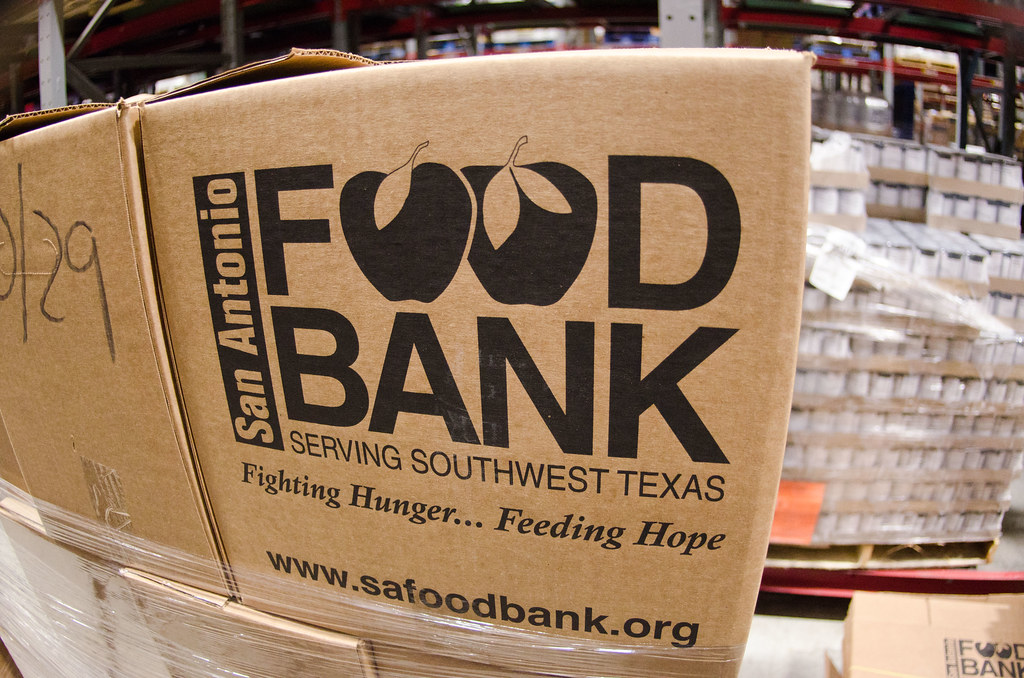
Practical help may include emergency food support, school meal support, benefit checks, debt counselling, energy advice, transport solutions, childcare access, family counselling, health referrals, disability support, interpreters, and help reading official letters. None of these removes the need to watch the child’s wellbeing. They make wellbeing more possible.
When poverty and harm overlap
Hardship can exist without harm. Harm can exist in wealthy homes. The two can also overlap. A child may be poor and also unsafe because violence, untreated addiction, severe mental illness, coercive control, chronic neglect, or dangerous supervision is present. Poverty should not hide those risks. At the same time, safeguarding systems must not punish poverty by treating every shortage as parental failure.
If a child is in immediate danger, emergency services are the right route. In Germany, 112 is for acute danger to life or health, and 110 is for police emergencies. Children and young people can call 116 111 for confidential support. Adults should not investigate, confront, expose, or organize vigilante responses. If you are worried, record what you have observed, speak to the appropriate professional route, and keep the child’s safety and dignity central.
The best support is early, concrete, and non-shaming. It asks what the child is missing, what the adults are carrying, which systems are stuck, and what would make tomorrow safer than today. Poverty is more than missing things because development happens inside conditions. Improving those conditions is child protection work when it is done with care, accuracy, and respect.