Some climate fear begins with a headline. Some begins in a top-floor flat that will not cool down at night, a mould patch that comes back after every winter, a bill that makes heating feel dangerous, or a parent wondering what another heavy-rain warning means for the basement. The crisis is planetary, but the worry often enters through the room you are already in.
We use the phrase climate anxiety carefully. It is not a diagnosis here, and it is not a personal weakness. It is a name many people use for fear, grief, anger, helplessness, guilt, and uncertainty in response to a real and ongoing crisis. The aim is not to become calm about injustice. The aim is to stay human and useful without carrying a system failure as if it were your private homework.
This FAQ is climate-specific. MindForward Collective is the better place for broader mental-health guidance, trauma support, and nervous-system education. If your distress includes thoughts of not wanting to live, immediate danger, or an inability to function day to day, seek professional or crisis support now. In Germany, emergency services are 112, police are 110, Telefonseelsorge is available on 0800 111 0 111 and 0800 111 0 222, and children and young people can contact Nummer gegen Kummer on 116 111.
Was kann ich gegen Klimaangst tun?
Start by taking blame out of the center. Climate anxiety often gets worse when people treat the crisis as proof they personally have failed to recycle, shop, vote, travel, eat, and speak perfectly. Individual choices matter at the scale they actually occupy. They do not replace energy systems, housing standards, transport investment, corporate responsibility, or public adaptation.
Then make the worry more specific. “The climate crisis” is too large for one body to hold. Ask: what is the part pressing on me this week? Heat in my flat? Fear for children? Doomscrolling? Anger at political delay? Grief after a flood? Conflict with family? Each part needs a different response.
For a housing-related risk, the next step might be documenting indoor heat, asking neighbors whether they face the same problem, or looking for tenant advice. For media overload, it might be changing how you receive information. For loneliness, it might be joining one local climate, tenant, garden, transport, or mutual-aid group with a clear role. The point is not to solve everything. It is to move from fog to one reachable handle.
How can I remain informed without becoming overwhelmed?
Use information like weather gear, not like a punishment. You need enough to act and prepare. You do not need repeated exposure to every image, argument, and disaster clip.
Set a check-in rhythm: for example, one trusted news source in the morning and one local source later, with no climate news in the hour before sleep. Prefer written reporting over autoplay video when you are already activated. Turn off alerts that do not change what you can do today. Save deeper reading for a time when you can also eat, move, talk, or rest afterward.
Separate three types of information:
- Immediate safety: heat warnings, storm alerts, flood notices, emergency instructions.
- Local action: consultations, tenant meetings, transport plans, school or neighborhood adaptation.
- Big-picture understanding: climate science, policy, international negotiations, emissions pathways.
Mixing all three all day overloads the body. Immediate safety information deserves quick attention. Local action deserves scheduled attention. Big-picture learning deserves enough space that it does not swallow the day.
Staying informed also means refusing greenwash. A glossy promise from a company or city is not the same as enforceable change. But you do not need to personally audit every claim. Follow groups that explain policy without panic and that name uncertainty honestly.
Does collective action help with climate distress?
Often, yes, but not because action magically removes fear. Collective action helps when it changes the shape of responsibility. You stop being one person staring at a crisis and become one person with a role among others.
That role can be small and still real: taking notes at a meeting, translating a flyer, watering a community garden, checking on older neighbors during heat, photographing flood damage, making tea at a tenant meeting, writing one consultation paragraph about your street, or joining a call about school meals. Earth & Equity has a separate guide on joining climate work without feeling like an expert; the short version is that movements need practical people, not only speakers and specialists.
Choose work with a clear container. “Help with the heat survey for two Saturdays” is kinder than “fight climate change.” “Collect three photos of blocked shade routes” is more usable than “raise awareness.” Good groups make tasks visible, rotate responsibility, and do not treat exhaustion as proof of commitment.
Collective action can also disappoint. Meetings can be messy. Institutions can ignore careful evidence. Change can be slow. If a group leaves you consistently ashamed, overloaded, or afraid to rest, that is not climate seriousness. That is a culture problem.
What if I feel guilty for not doing enough?
Guilt can point to values, but it is a poor manager. It often assigns the heaviest responsibility to people with the least power: tenants with no control over insulation, low-income households priced out of efficient appliances, migrants sending money across borders, disabled people whose access needs increase energy use, parents with no spare hours, workers dependent on cars because public transport is thin.
Ask a sharper question: what power do I actually have here?
You may have consumer power in some areas. You may also have tenant power, voter power, worker power, neighbor power, parent power, professional power, faith-community power, or storytelling power. Some of those are stronger than shopping choices. Some are only usable with others.
Replace totalizing guilt with a bounded commitment. Pick one lane for the next season: heat-safe housing, food access, school streets, energy bills, flood preparation, public transport, workplace adaptation, or supporting a local group. Decide what “enough for now” means: two hours a month, one meeting, one letter, one check-in with neighbors during heat, one donation if you have money but not time.
The crisis does not become less real because you sleep. Rest is not denial. It is maintenance for a long struggle.
How do I talk with children or young people about climate fear?
Do not pretend there is no problem. Children notice heat, adult tension, news images, and school discussions. They need truthful words at a size they can carry.
For younger children, keep it concrete: “The weather is getting hotter because of pollution. Adults and communities are working on safer homes, trees, buses, and cleaner energy. Today our job is water, shade, and checking on Oma.” For teenagers, allow anger and grief without rushing to optimism. They may see hypocrisy quickly, especially when adults ask them to save the future while ignoring their present housing, school, or transport conditions.
Give children actions that are not symbolic burdens. Planting herbs can be lovely, but it should not be framed as saving the planet. Better: join a school heat-safety discussion, help prepare a shade plan for a playground, write questions for a local consultation, or check whether the route to school has water and shade. Action should show them they are part of a community, not responsible for adult failure.
If a child is persistently unable to sleep, eat, attend school, separate from caregivers, or enjoy ordinary life because of climate fear, seek professional support. Safe Childhood & Family Support Network and MindForward Collective are more appropriate for child-specific and general mental-health guidance.
What boundaries help activists and local groups avoid burnout?
Groups need boundaries before people collapse, not after. Climate work attracts people with strong moral urgency. That urgency can build pressure to answer every message, attend every meeting, and know every policy detail. It can also reproduce inequality: people with more free time set the pace, while carers, shift workers, disabled people, and low-income members quietly disappear.
Useful boundaries are practical:
- Put start and end times on meetings.
- Name which decisions are for today and which are not.
- Rotate visible and invisible work.
- Keep a task list with owners, not a general cloud of obligation.
- Let people step back without making a speech.
- Avoid sending distressing news into group chats without context or need.
- Pair new people with small tasks, not a wall of jargon.
Groups should also separate emergency response from long-term work. A heatwave check-in list may require fast coordination. A city climate plan does not need midnight messages. If everything is urgent, people stop being able to tell what truly is.
When should I seek professional support?
Professional support may be useful when climate distress is no longer only a hard feeling but is narrowing your life. Warning signs include persistent inability to sleep, panic that keeps recurring, avoiding ordinary activities, feeling detached from people you love, using alcohol or drugs mainly to get through climate fear, being unable to work or care for others, or feeling that life is not worth living.
Seeking support does not mean the crisis is “all in your head.” It means your body and mind deserve care while the crisis remains real. A GP, psychotherapeutische Sprechstunde, counselling service, or crisis line can be a first step. Waiting lists can be frustrating; an initial assessment can still help you decide what kind of support fits.
If you are supporting someone else, do not argue them out of fear with facts. Try: “I can hear this is heavy. Do you want company, practical help, or a break from the topic?” If they mention self-harm or not wanting to live, treat it directly and urgently. Stay with them if possible and contact crisis or emergency support.
What can I do this week that is small but real?
Choose one action that connects body, household, and community.
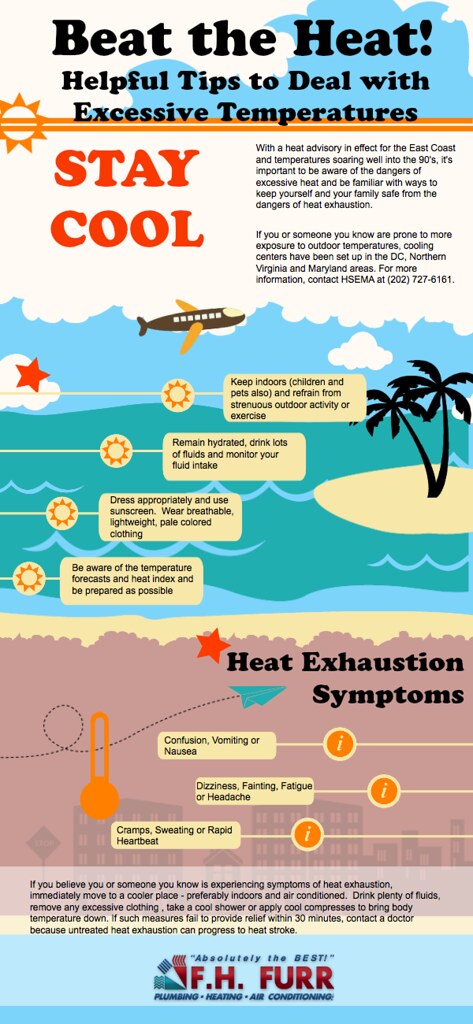
If heat is the pressure: identify the coolest room or public place you can reach, check on one neighbor, and write down when your flat stays hot overnight. If bills are the pressure: gather the latest energy documents and ask for independent advice rather than sitting alone with the numbers. If media is the pressure: remove one alert and set two check-in times. If helplessness is the pressure: attend one local meeting as a listener and ask for one practical task.
None of this carries the whole crisis. That is the point. Climate anxiety becomes more survivable when responsibility is correctly sized: systems must change, institutions must be pressured, and communities need resources. Your part should be real enough to matter and bounded enough to live with.