When the flat stays hot after midnight, the problem is no longer “summer weather.” It is a housing, health, and climate-adaptation problem sitting in your kitchen, bedroom, and stairwell.
You did not cause this by failing to buy the right fan or drink the right amount of water. Some homes overheat because the roof is poorly insulated, the windows face full sun, ventilation is weak, the building stores heat, or the surrounding street has too much asphalt and too few trees. Those are design and investment choices. Still, you need a plan for this week, because bodies cannot wait for a better climate policy.
Quick Checklist
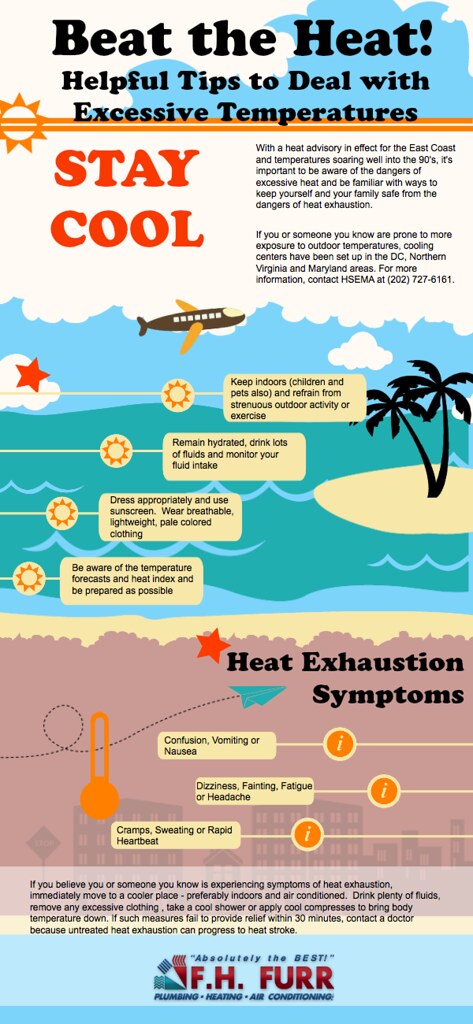
- Cool the person first. Move to the coolest room, loosen clothing, use wet cloths, drink water if you can, and reduce movement.
- Watch for warning signs. Confusion, fainting, chest pain, severe weakness, very hot dry skin, or symptoms that do not improve can be urgent.
- Change the heat pattern indoors. Block sun before it enters, ventilate when outside air is cooler, and keep internal heat sources low.
- Make a simple heat record. Note indoor temperature, time, room, symptoms, failed cooling attempts, and photos of thermometers or sun exposure.
- Tell the landlord or property manager in writing. Describe overheating as a health and habitability concern, not as a comfort preference.
- Use cooler public or shared spaces when needed. Libraries, community centers, shaded courtyards, health facilities, and municipal cooling spaces may be safer during peak heat.
- Escalate with advice. For tenancy-law depth, speak with a Mieterverein, tenant advice service, or Justice Access Centre before threatening legal steps.
1. Cool the Person First
Start with bodies, not buildings. If someone is dizzy, nauseous, confused, unusually sleepy, short of breath, or unable to cool down, stop arguing with the thermometer and reduce heat exposure immediately.
Move the person away from the hottest room. In many flats that means leaving the top-floor bedroom and sitting in a hallway, bathroom, north-facing room, cellar-level common area, shaded courtyard, or a neighbor’s cooler room. If you have a fan, use it with caution: it can help when the air is warm but still below body temperature, especially with damp cloths or a bowl of cool water nearby. When the room is extremely hot, a fan alone can push hot air over the body without solving the risk.
Use water practically. Sip water often if you can. Put cool, damp cloths on the neck, wrists, and ankles. A lukewarm shower can help; icy shock is not necessary. Avoid alcohol in the hottest hours because it can worsen dehydration and judgment. If medication, disability, pregnancy, age, heart disease, kidney disease, mental-health medication, or substance withdrawal changes how someone handles heat, treat the threshold as lower.
Heat is harder on infants, older people, people living alone, people with chronic illness, people doing physical work, and people who cannot easily leave the home. Do not wait for someone to “tough it out.” Climate policy is housing policy is health policy; the first policy question is whether people can survive the room they are renting.
2. Know When Heat Becomes a Health Risk
Indoor heat becomes a health risk when the body cannot recover. One hot afternoon is bad enough; several hot days and warm nights are more dangerous because sleep, hydration, and heart strain do not reset.
Warning signs include headache, dizziness, muscle cramps, nausea, unusual tiredness, heavy sweating, or a fast pulse. More serious signs include confusion, fainting, seizures, chest pain, severe breathlessness, loss of consciousness, or skin that is very hot. If there is immediate danger to life, call 112. If symptoms are worrying but not clearly life-threatening, 116 117 can help you reach medical on-call care in Germany. If in doubt and the person is deteriorating, treat it as urgent.
Do not let shame delay action. People often say, “It is only heat,” because heat has been sold as lifestyle discomfort. But overheated housing can worsen existing illness, reduce sleep, trigger anxiety, make medication harder to manage, and turn ordinary caregiving into crisis work. A household without money for air conditioning is not less responsible. It is more exposed.
3. Change the Indoor Heat Pattern
The basic rule is: keep sun out before it enters, move air when it is cooler outside, and reduce heat you create indoors.
Close curtains, blinds, shutters, or temporary coverings on sun-facing windows before the room heats up. Light-colored fabric or reflective temporary material can help, but be careful with anything that damages windows, creates fire risk, or breaches your rental agreement. If you can shade from the outside, that is usually stronger than shading from inside, because the heat is blocked before it passes through glass.
Ventilation is timing. Open windows early morning, late evening, and night if the outside air is cooler and safe. Cross-ventilate when possible by opening windows on different sides of the flat or using the stairwell only if building rules and safety allow it. During peak heat, closing windows can feel wrong, but if the outside air is hotter than the room, open windows may make things worse.
Reduce indoor heat sources. Cook shorter meals, use lids, avoid ovens in peak heat, switch off devices not in use, and move charging devices away from sleeping areas where possible. These steps are not the solution to unsafe housing. They are harm reduction while you push for repairs, shading, insulation, or other building-level measures.
4. Document the Heat Without Turning Your Life Into an Office
A heat record helps because overheating is often dismissed as subjective. Keep it simple enough that you can continue it during a heatwave.
Record the date, time, indoor temperature, room, outside conditions if you know them, and what happened. For example: “Tuesday, 22:30, bedroom 31 degrees, windows shaded all day, child could not sleep, grandmother dizzy, moved to hallway.” Photos of a thermometer are useful if they show the room and time. Keep messages to the landlord, replies, photos of missing shading, broken shutters, sealed windows, mould made worse by poor ventilation, and any medical advice.
Also record what you tried: blinds closed, night ventilation, fan, wet cloths, time spent outside the flat. This is not to prove that you are a perfect tenant. It shows the problem remains even after reasonable steps.
If the situation affects several flats, ask neighbors whether they are willing to keep their own short notes. Do not pressure anyone to share health information. A building pattern is stronger than one isolated complaint, but people should choose what they disclose.
5. Write to the Landlord or Property Manager
Tenants can ask a landlord to address overheating, especially where building defects, missing shading, broken shutters, unopenable windows, poor insulation, or unsafe ventilation contribute. Keep the legal argument shallow unless you have advice. Your first written message should make the practical problem hard to ignore.
Name the rooms, times, temperatures, health impacts, and affected household members in general terms. Ask for inspection and concrete measures such as repairing shutters, allowing safe shading, improving ventilation, checking roof or facade insulation, or addressing windows that cannot be opened safely. Avoid diagnosing the whole building unless you have expertise. Say what you observe.
Use a calm written tone even if you are angry. Anger is justified; the record needs to be usable. Give a reasonable response deadline where the situation is not an emergency. If the heat is creating immediate danger, say that clearly and seek advice quickly.
For tenancy-law depth, including rent reduction, repair deadlines, evidence standards, or what to do after refusal, hand off to a Mieterverein, tenant legal advice, or Justice Access Centre. Earth & Equity’s lane is the heat-health-housing connection; legal strategy needs case-specific support.
6. Find Cooler Spaces Before the Worst Hour
Leaving home should not be the only way to be safe, but during a dangerous heat spell it may be necessary. Identify cooler places before the afternoon peak: libraries, community centers, shaded parks, public buildings, faith or neighborhood spaces, health facilities, shopping areas, or municipal cooling rooms where they exist. Some cities publish heat plans or cooling maps through municipal offices, but availability varies.
Plan for access barriers. Can you sit there without buying anything? Is there a toilet? Is it reachable without a long walk in the sun? Can children come? Is it accessible for a wheelchair or walker? Is it safe for someone who has experienced harassment in public space? Heat advice that assumes everyone can simply relocate is not serious advice.
If you are checking on neighbors, keep it practical: knock, ask whether they have water and a cooler room, offer to share information, and respect refusal. Civic Futures Lab has more on organizing roles and neighborhood coordination; here the point is immediate heat safety.
7. Push for Building and Street-Level Change
After the heat breaks, do not let the issue disappear. Ask for durable measures: external shading, roof and facade insulation that does not create rent shock, safe window opening, ventilation improvements, trees, shaded courtyards, drinking-water access, and heat plans for care homes, schools, shelters, and public buildings.
Be alert to greenwash. A landlord or city can call a project “climate-friendly” while leaving tenants with higher rent, hotter rooms, or no say. Good climate adaptation reduces harm for the people most exposed. It does not hand them a leaflet and leave the building unchanged.
If nothing works, keep the record and get advice before the next hot period. Heat is not a private failure of housekeeping. It is what happens when housing policy, health policy, and climate policy are treated as separate files. Your notes help put them back in the same folder.