Search results for
200 results found across all collections
Five concise profiles hold achievement, grief, status loss, bureaucracy, isolation, adaptation, and uncertainty together after migration.

Caregivers describe ordinary days shaped by unpaid responsibility for children, elders, relatives, neighbours, and community members.

Young people describe racism at school, in public space, and online, and what happens when adults keep calling it a misunderstanding.

Paired-generation dialogues explore multilingual family life, the uneven movement of emotion, memory, shame, work, and intimacy across languages.

An aftermath roundtable records what residents, workers, families, and community organizers say is needed after public attention to a racist incident disappears.

A chorus of contributors describes the small exhaustion of being asked to explain origin, citizenship, accent, and appearance as a condition of belonging.

A decision-path guide for designing projects that can continue, hand over, or close responsibly when grant funding ends.

A proportionate guide to combining numbers, stories, observation, and community validation in reports that respect people and still show what changed.
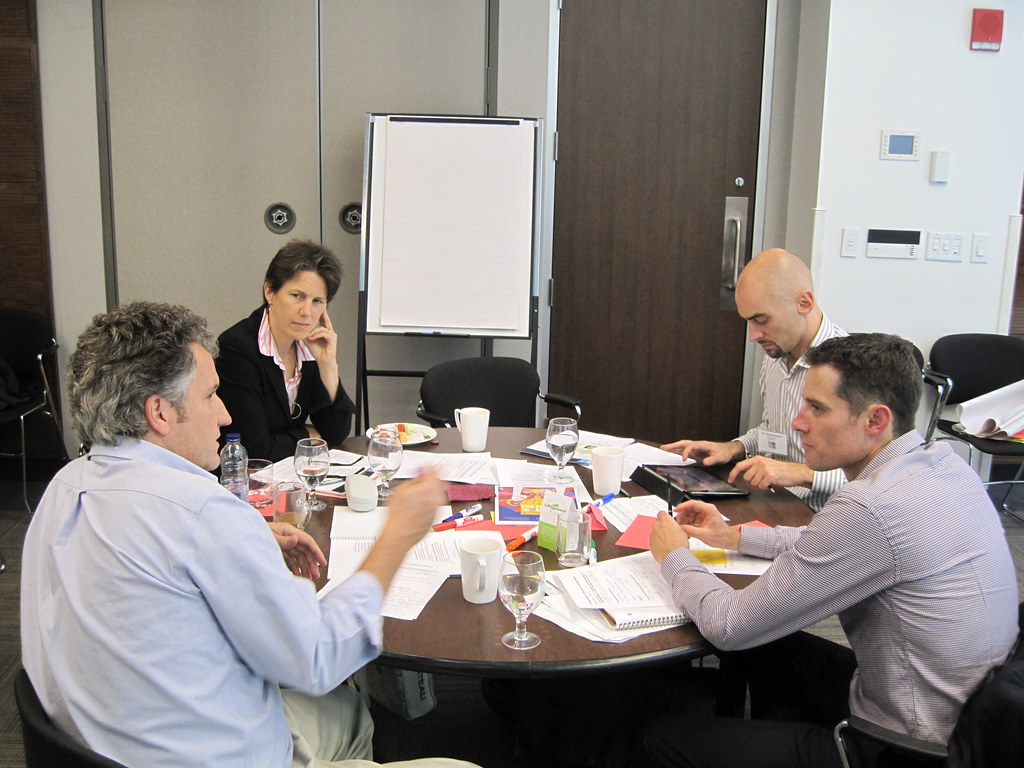
A practical checklist for removing the ordinary barriers that keep people away from neighborhood events, from timing and cost to language, access, food, safety, and feedback.

Crisis readiness is built before the crisis, through trusted contacts, clear communication, small emergency resources, and respectful coordination with professional services.
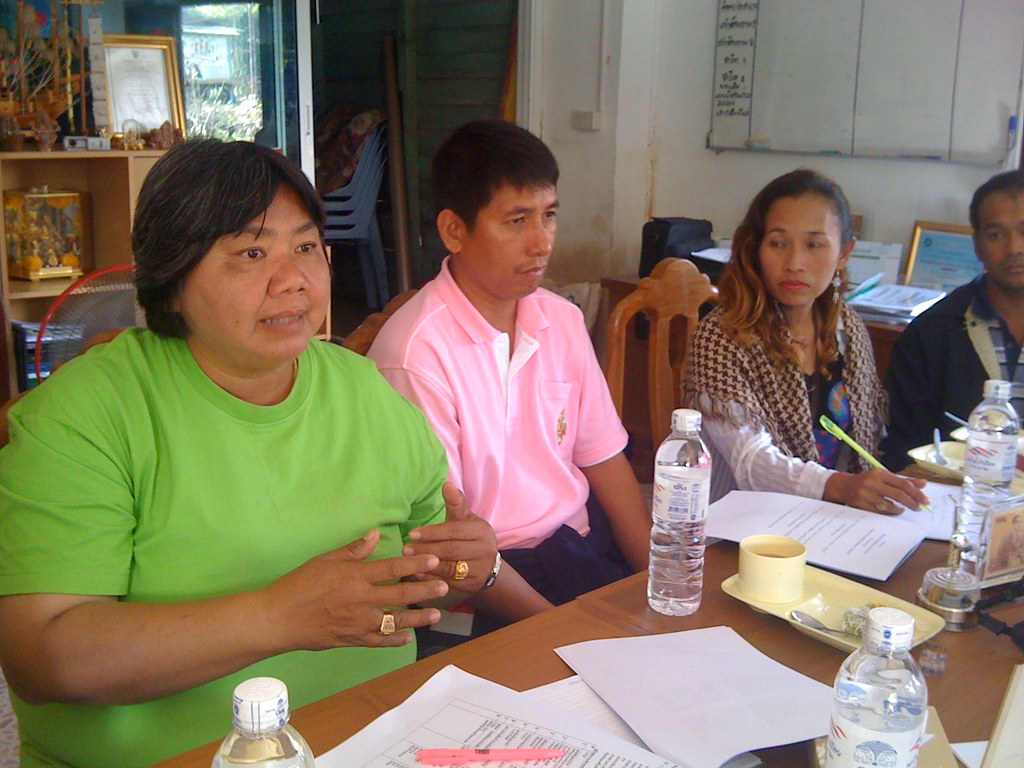
Founder energy can start something precious, but it should not become the only place where knowledge, access, trust, and decisions live.

Recruiting more volunteers will not fix unclear roles, hidden costs, or endless responsibility. Sustainable volunteering starts with smaller jobs, fair boundaries, and honest support.
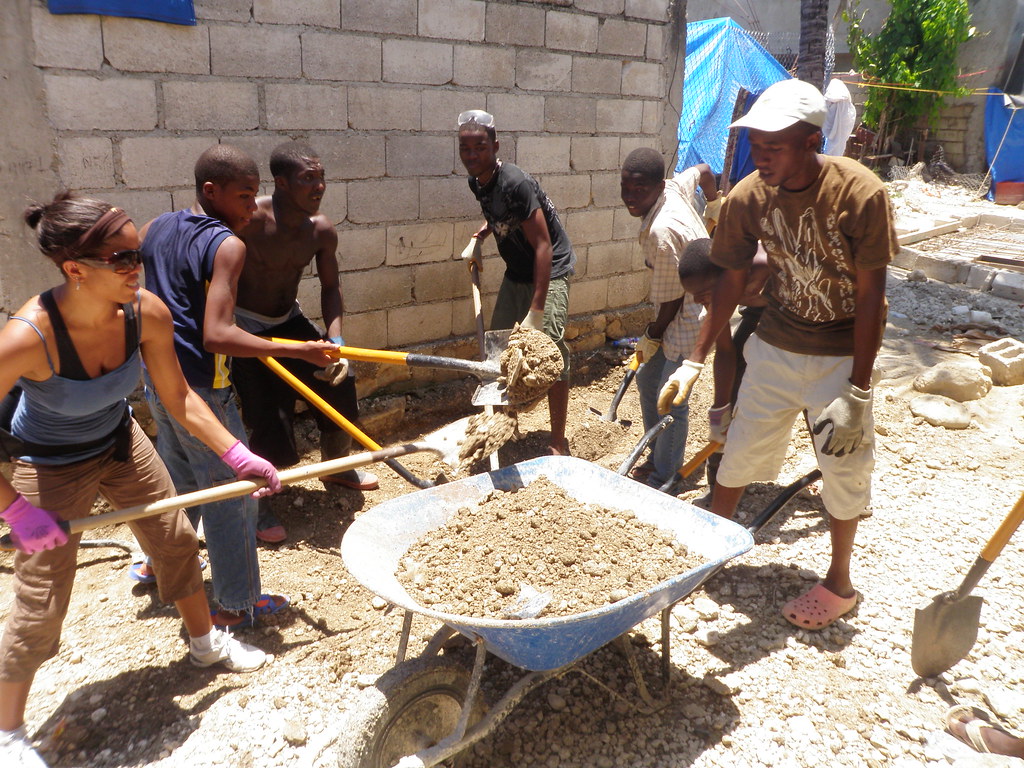
Five concise profiles hold achievement, grief, status loss, bureaucracy, isolation, adaptation, and uncertainty together after migration.
Caregivers describe ordinary days shaped by unpaid responsibility for children, elders, relatives, neighbours, and community members.
Young people describe racism at school, in public space, and online, and what happens when adults keep calling it a misunderstanding.
Paired-generation dialogues explore multilingual family life, the uneven movement of emotion, memory, shame, work, and intimacy across languages.
An aftermath roundtable records what residents, workers, families, and community organizers say is needed after public attention to a racist incident disappears.
A chorus of contributors describes the small exhaustion of being asked to explain origin, citizenship, accent, and appearance as a condition of belonging.
A decision-path guide for designing projects that can continue, hand over, or close responsibly when grant funding ends.
A proportionate guide to combining numbers, stories, observation, and community validation in reports that respect people and still show what changed.
A practical checklist for removing the ordinary barriers that keep people away from neighborhood events, from timing and cost to language, access, food, safety, and feedback.
Crisis readiness is built before the crisis, through trusted contacts, clear communication, small emergency resources, and respectful coordination with professional services.
Founder energy can start something precious, but it should not become the only place where knowledge, access, trust, and decisions live.
Recruiting more volunteers will not fix unclear roles, hidden costs, or endless responsibility. Sustainable volunteering starts with smaller jobs, fair boundaries, and honest support.