Search results for
200 results found across all collections
A myth-versus-reality guide to ageism in employment, healthcare, digital design, media, service access, and public participation, with collective responses that keep older people in decision-making roles.

A first-response guide to planning future support, medical wishes, finances, and legal authority while keeping consent, review, and personal control at the centre.

A practical FAQ on insisting that essential digital services keep usable telephone, paper, in-person, and assisted routes open without forcing people to give up privacy or control.

Older people can be left carrying the gap between hospital, housing, and care services; a coordinated plan needs consent, records, named responsibilities, and advocacy.

Family care can be loving and still become unsustainable; a fair plan protects the older person's autonomy and the caregiver's health at the same time.
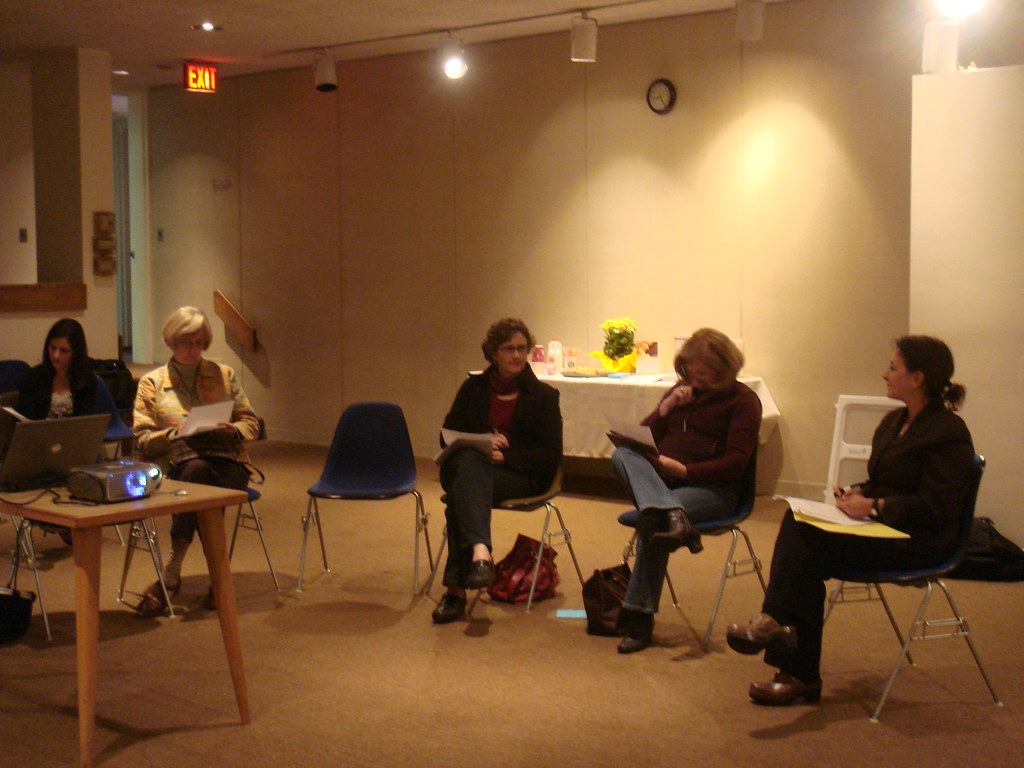
Financial abuse in later life often hides behind help, family duty, or paperwork; concerns can be raised carefully without taking control away from the older person.

A home can be loved and still need a fresh safety check; the decision is not simply stay or leave, but how your home can continue to support your authority over daily life.

A case-led guide to rebuilding social connection after bereavement, retirement, mobility changes, migration, hearing loss, or disrupted routines.

A decision-path guide for noticing when support at home would protect autonomy, safety, health, and everyday choice rather than taking over.
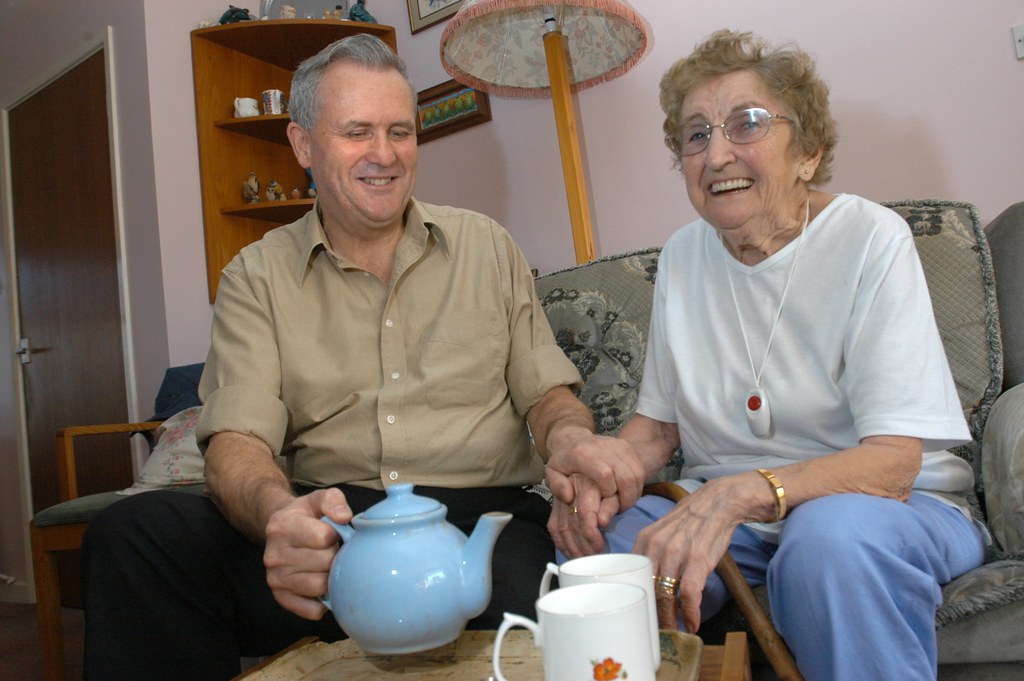
A practical FAQ for older people in Germany who are finding pension income, housing costs, energy bills, health costs, or old debts difficult to manage.

Disabled people need influence over public decisions, not decorative presence after policy choices have already hardened.

Access failures in healthcare are not bedside-manner problems only: they can block communication, informed consent, diagnosis, and equal treatment.

A myth-versus-reality guide to ageism in employment, healthcare, digital design, media, service access, and public participation, with collective responses that keep older people in decision-making roles.
A first-response guide to planning future support, medical wishes, finances, and legal authority while keeping consent, review, and personal control at the centre.
A practical FAQ on insisting that essential digital services keep usable telephone, paper, in-person, and assisted routes open without forcing people to give up privacy or control.
Older people can be left carrying the gap between hospital, housing, and care services; a coordinated plan needs consent, records, named responsibilities, and advocacy.
Family care can be loving and still become unsustainable; a fair plan protects the older person's autonomy and the caregiver's health at the same time.
Financial abuse in later life often hides behind help, family duty, or paperwork; concerns can be raised carefully without taking control away from the older person.
A home can be loved and still need a fresh safety check; the decision is not simply stay or leave, but how your home can continue to support your authority over daily life.
A case-led guide to rebuilding social connection after bereavement, retirement, mobility changes, migration, hearing loss, or disrupted routines.
A decision-path guide for noticing when support at home would protect autonomy, safety, health, and everyday choice rather than taking over.
A practical FAQ for older people in Germany who are finding pension income, housing costs, energy bills, health costs, or old debts difficult to manage.
Disabled people need influence over public decisions, not decorative presence after policy choices have already hardened.
Access failures in healthcare are not bedside-manner problems only: they can block communication, informed consent, diagnosis, and equal treatment.