Search results for
200 results found across all collections
Safety-first housing steps for seeking confidential help, protecting documents, and finding emergency accommodation without alerting an abuser.

Sofa surfing, overcrowded rooms, and unsafe temporary stays can still be homelessness, even when outsiders see a roof.

A steady emergency guide for finding a safer place tonight, preparing what to bring, and knowing what to do if shelters are full.

A rent-arrears de-escalation guide for contacting benefit offices, documenting the debt, communicating safely with the landlord, and avoiding unkeepable repayment promises.

A decision-path guide to separate verbal pressure, warning letters, termination notices, court papers, and enforcement steps without missing urgent deadlines.
A first-day triage guide for protecting documents, spotting deadlines, contacting the right offices, and avoiding steps that make a housing crisis harder to stop.

A decision-path guide for families facing conflicting views from schools, healthcare providers, social services, or disability support.

Meaningful participation gives children real influence, accessible choices, feedback, and protection from adult agendas.

A practical checklist for organizations that want safeguarding to protect children in daily decisions, not just sit in a policy folder.
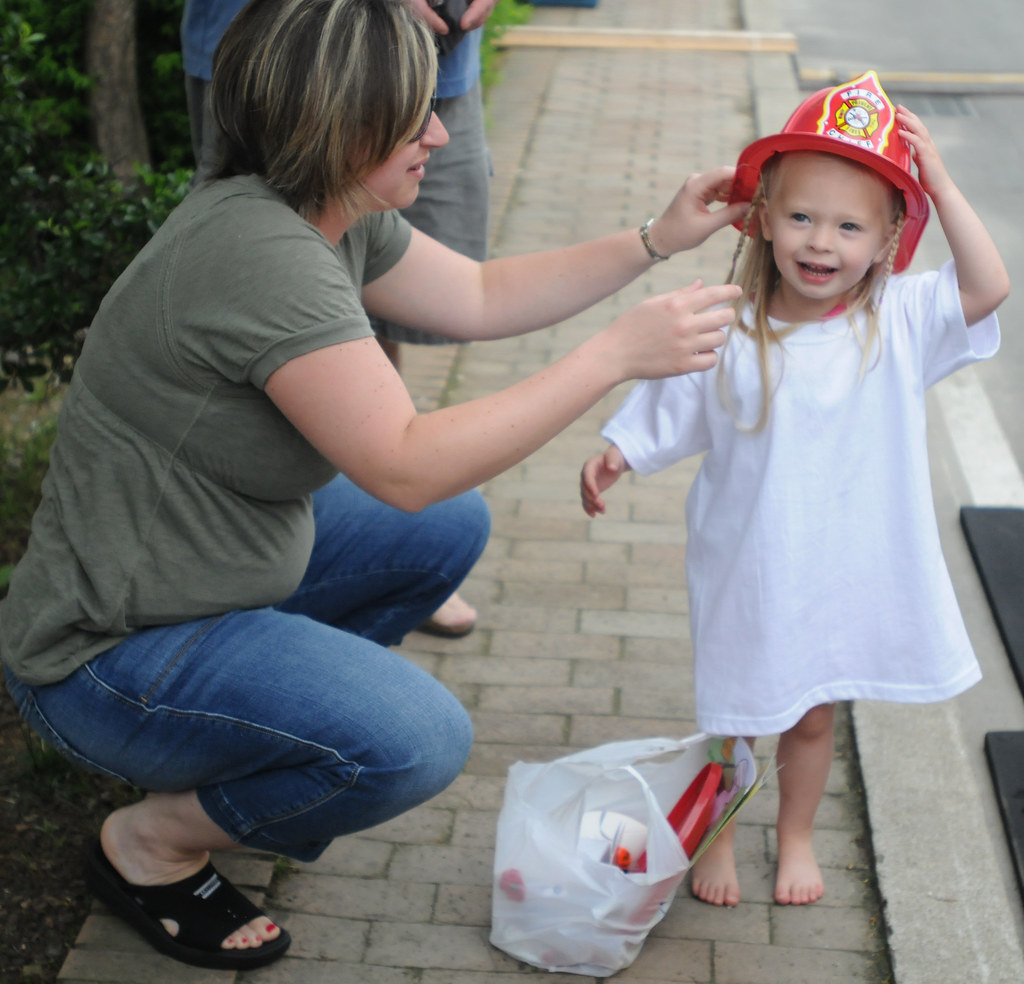
A no-blame FAQ for families under pressure, explaining where to seek early help before exhaustion, conflict, money stress, illness, or housing problems become a safeguarding crisis.
A child-focused safety planning checklist for domestic violence situations, covering confidential support, school coordination, contact, documents, digital risks, and recovery.

A decision-path guide for adults supporting children after racism, violence, or public trauma, with age-appropriate words, routines, media limits, and referral thresholds.

Safety-first housing steps for seeking confidential help, protecting documents, and finding emergency accommodation without alerting an abuser.
Sofa surfing, overcrowded rooms, and unsafe temporary stays can still be homelessness, even when outsiders see a roof.
A steady emergency guide for finding a safer place tonight, preparing what to bring, and knowing what to do if shelters are full.
A rent-arrears de-escalation guide for contacting benefit offices, documenting the debt, communicating safely with the landlord, and avoiding unkeepable repayment promises.
A decision-path guide to separate verbal pressure, warning letters, termination notices, court papers, and enforcement steps without missing urgent deadlines.
A first-day triage guide for protecting documents, spotting deadlines, contacting the right offices, and avoiding steps that make a housing crisis harder to stop.
A decision-path guide for families facing conflicting views from schools, healthcare providers, social services, or disability support.
Meaningful participation gives children real influence, accessible choices, feedback, and protection from adult agendas.
A practical checklist for organizations that want safeguarding to protect children in daily decisions, not just sit in a policy folder.
A no-blame FAQ for families under pressure, explaining where to seek early help before exhaustion, conflict, money stress, illness, or housing problems become a safeguarding crisis.
A child-focused safety planning checklist for domestic violence situations, covering confidential support, school coordination, contact, documents, digital risks, and recovery.
A decision-path guide for adults supporting children after racism, violence, or public trauma, with age-appropriate words, routines, media limits, and referral thresholds.