Search results for
10 results found across all collections
A decision-path guide for designing projects that can continue, hand over, or close responsibly when grant funding ends.

A proportionate guide to combining numbers, stories, observation, and community validation in reports that respect people and still show what changed.
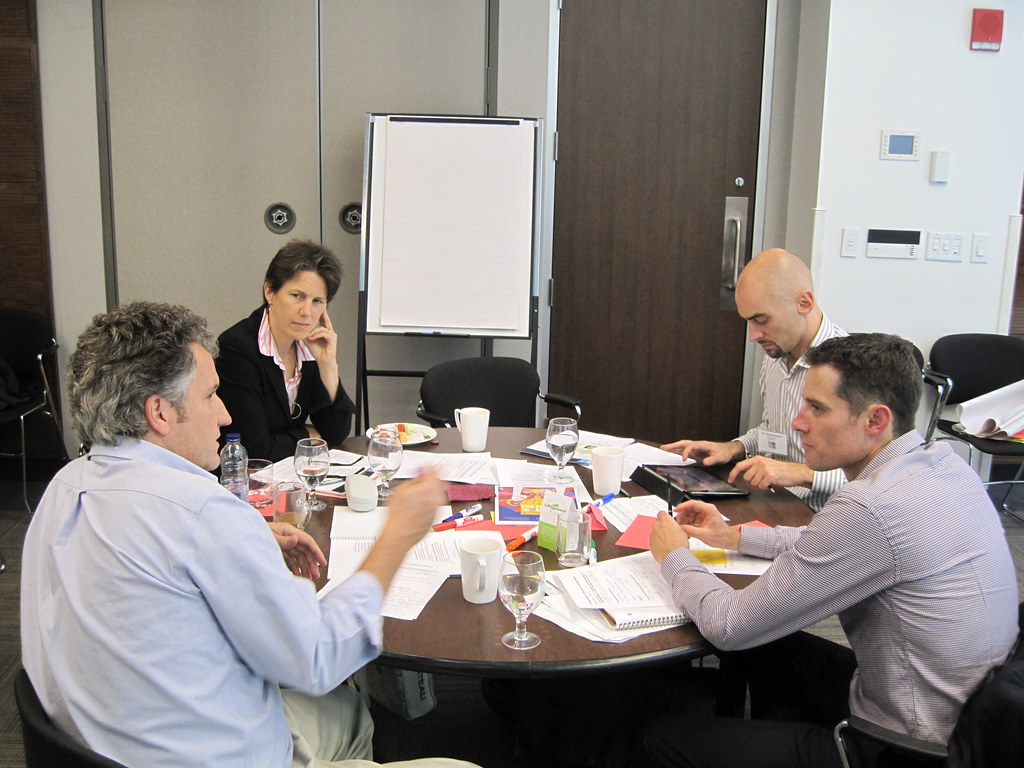
A practical checklist for removing the ordinary barriers that keep people away from neighborhood events, from timing and cost to language, access, food, safety, and feedback.

Crisis readiness is built before the crisis, through trusted contacts, clear communication, small emergency resources, and respectful coordination with professional services.
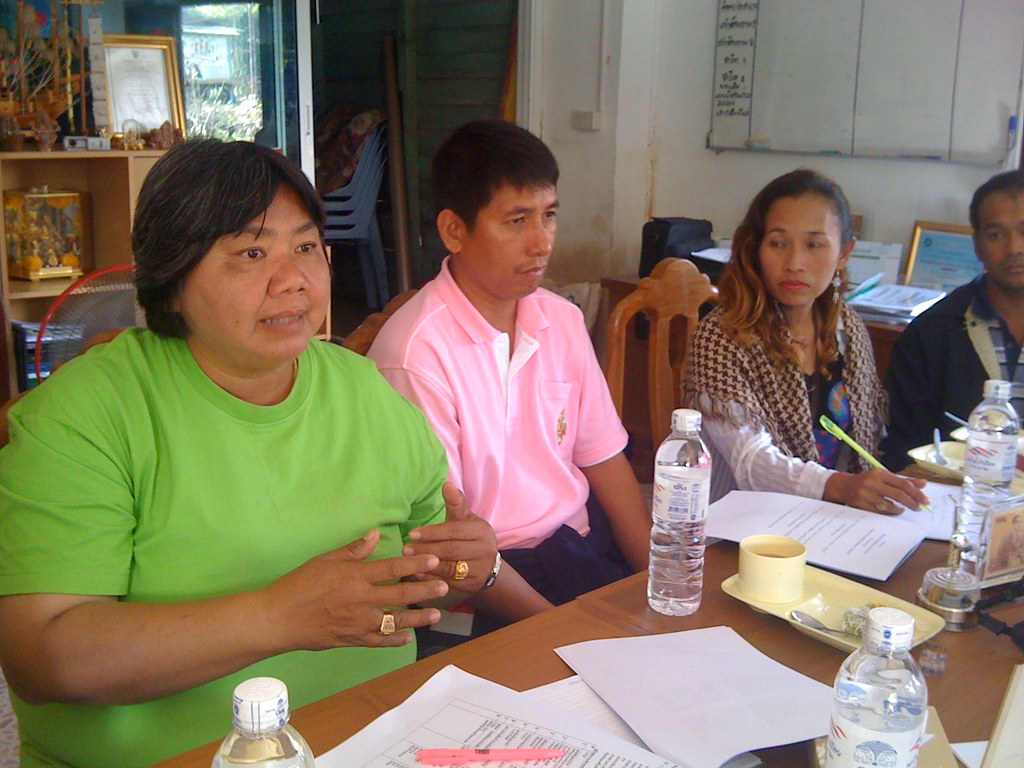
Founder energy can start something precious, but it should not become the only place where knowledge, access, trust, and decisions live.

Recruiting more volunteers will not fix unclear roles, hidden costs, or endless responsibility. Sustainable volunteering starts with smaller jobs, fair boundaries, and honest support.
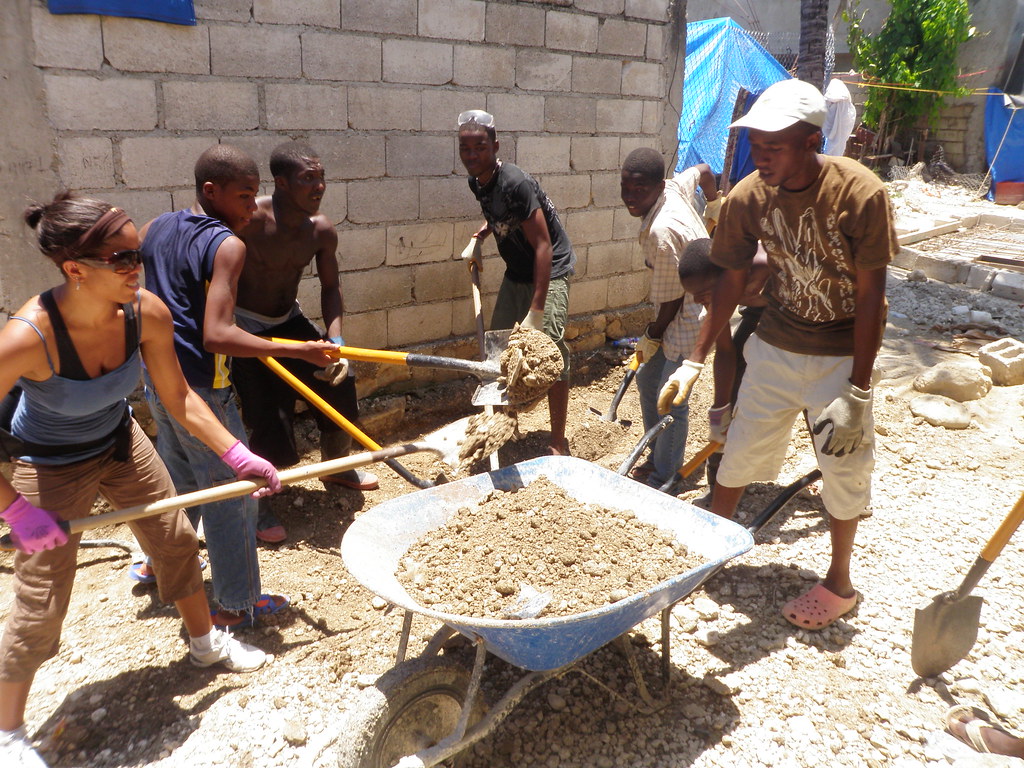
Community spaces are not nice extras. They are local infrastructure where trust, support, practical help, and crisis readiness are built before anyone needs them urgently.

A step-by-step guide to connecting community need, planned activities, and a realistic small-project budget without overstating what you can prove.

A decision-path guide to matching early community funding sources with your group's stage, track record, and administrative capacity.

A practical FAQ for informal groups that want to test a neighborhood project before creating a Verein, with notes on roles, money, fiscal hosting, and when structure becomes worth it.

A decision-path guide for designing projects that can continue, hand over, or close responsibly when grant funding ends.
A proportionate guide to combining numbers, stories, observation, and community validation in reports that respect people and still show what changed.
A practical checklist for removing the ordinary barriers that keep people away from neighborhood events, from timing and cost to language, access, food, safety, and feedback.
Crisis readiness is built before the crisis, through trusted contacts, clear communication, small emergency resources, and respectful coordination with professional services.
Founder energy can start something precious, but it should not become the only place where knowledge, access, trust, and decisions live.
Recruiting more volunteers will not fix unclear roles, hidden costs, or endless responsibility. Sustainable volunteering starts with smaller jobs, fair boundaries, and honest support.
Community spaces are not nice extras. They are local infrastructure where trust, support, practical help, and crisis readiness are built before anyone needs them urgently.
A step-by-step guide to connecting community need, planned activities, and a realistic small-project budget without overstating what you can prove.
A decision-path guide to matching early community funding sources with your group's stage, track record, and administrative capacity.
A practical FAQ for informal groups that want to test a neighborhood project before creating a Verein, with notes on roles, money, fiscal hosting, and when structure becomes worth it.