Search results for
22 results found across all collections
A decision-path guide for newcomers who want to participate locally through volunteering, neighbourhood groups, parent councils, migrant-led organizations, or civic forums without treating engagement as an obligation.

An evidence explainer for advocacy teams that need to connect findings to policy demands while staying honest about uncertainty, values, and contested research.

Composite cases show how research and monitoring can become extractive when consent is weak, categories are careless, or communities lose control over sensitive knowledge.

A practical research guide to building community surveys that ask clear questions, protect participants, and report results without pretending the data says more than it can.

Composite research voices explain how testimony, interviews, ethnography, surveys, administrative data, and participatory research each support different claims.

A myth-versus-reality guide to migration evidence, category problems, source differences, and uncertainty in public claims.

An evidence explainer on how researchers study unequal treatment in housing, why complaint data undercounts it, and where individual cases differ from patterns.

A practical FAQ for small nonprofits on evaluating community programs with proportionate evidence, clearer assumptions, and honest limits.

Correlation is often a clue, not a verdict. This FAQ-style myth explainer shows how confounding, reverse causality, selection effects, experiments, and quasi-experiments affect civil-society claims.
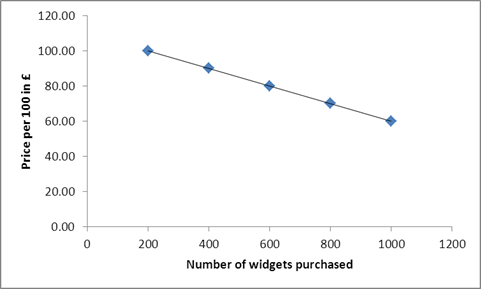
A technically correct number can still mislead. This checklist helps readers inspect source, denominator, sample, time period, comparison group, uncertainty, correlation, and visual framing before sharing.
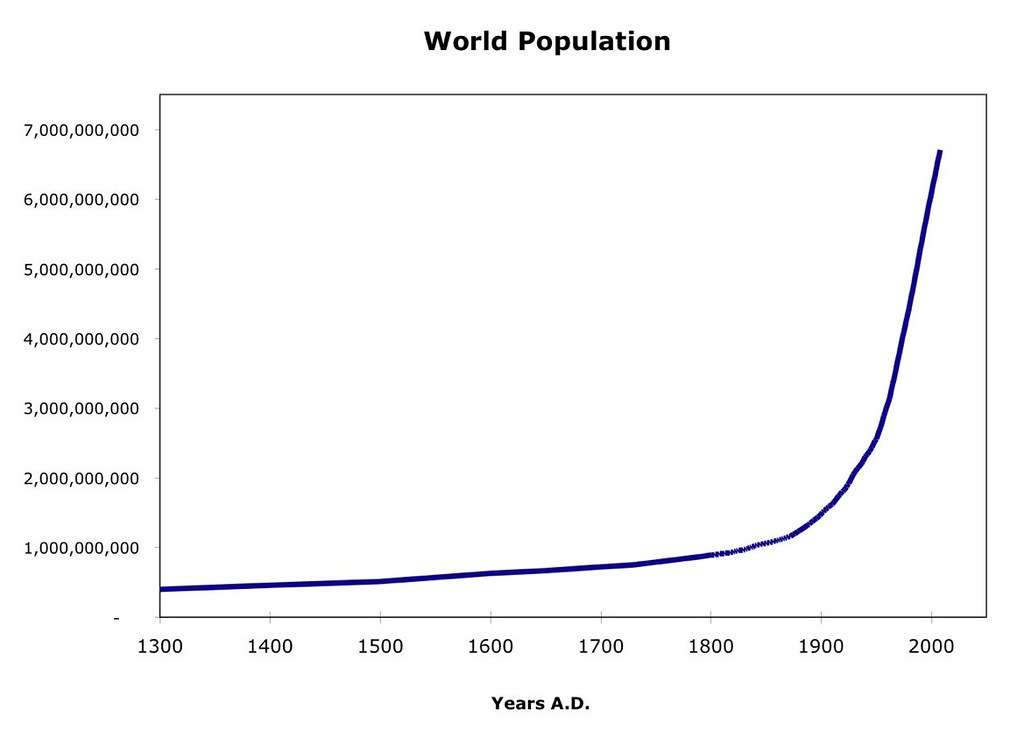
Social cohesion is not one thing. This explainer separates trust, belonging, participation, solidarity, and institutional confidence so public debate can use the evidence more carefully.

A step-by-step guide to reading local climate and planning proposals, submitting useful evidence, coordinating residents' input, and tracking whether institutions respond.

A decision-path guide for newcomers who want to participate locally through volunteering, neighbourhood groups, parent councils, migrant-led organizations, or civic forums without treating engagement as an obligation.
An evidence explainer for advocacy teams that need to connect findings to policy demands while staying honest about uncertainty, values, and contested research.
Composite cases show how research and monitoring can become extractive when consent is weak, categories are careless, or communities lose control over sensitive knowledge.
A practical research guide to building community surveys that ask clear questions, protect participants, and report results without pretending the data says more than it can.
Composite research voices explain how testimony, interviews, ethnography, surveys, administrative data, and participatory research each support different claims.
A myth-versus-reality guide to migration evidence, category problems, source differences, and uncertainty in public claims.
An evidence explainer on how researchers study unequal treatment in housing, why complaint data undercounts it, and where individual cases differ from patterns.
A practical FAQ for small nonprofits on evaluating community programs with proportionate evidence, clearer assumptions, and honest limits.
Correlation is often a clue, not a verdict. This FAQ-style myth explainer shows how confounding, reverse causality, selection effects, experiments, and quasi-experiments affect civil-society claims.
A technically correct number can still mislead. This checklist helps readers inspect source, denominator, sample, time period, comparison group, uncertainty, correlation, and visual framing before sharing.
Social cohesion is not one thing. This explainer separates trust, belonging, participation, solidarity, and institutional confidence so public debate can use the evidence more carefully.
A step-by-step guide to reading local climate and planning proposals, submitting useful evidence, coordinating residents' input, and tracking whether institutions respond.