Search results for
11 results found across all collections
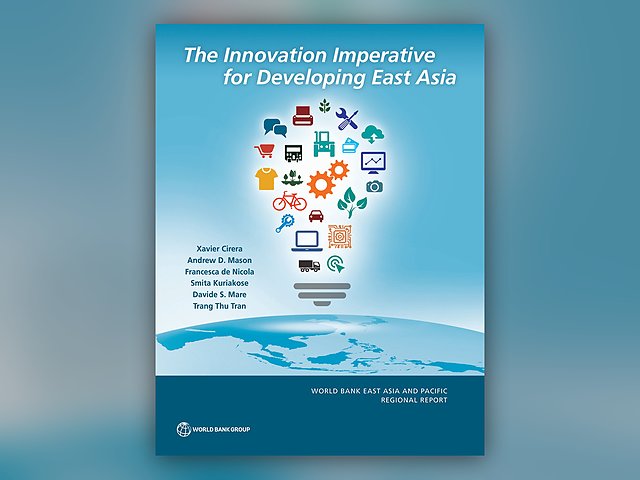
A World Bank East Asia and Pacific regional report on the innovation imperative for developing East Asia — organized as a flagship series to turn regional challenges into opportunities, starting with the overview and introduction.
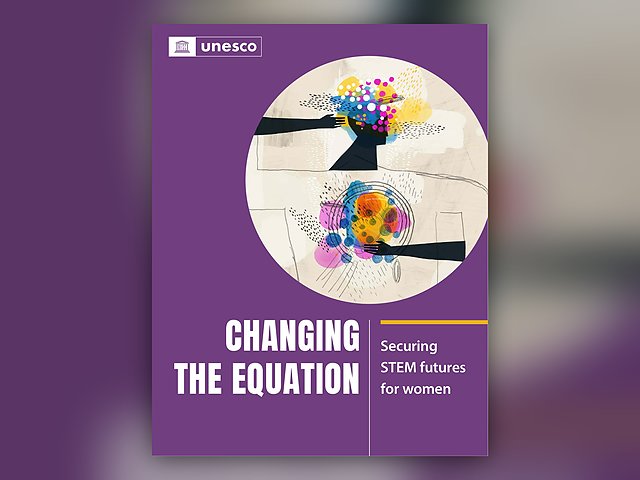
A UNESCO policy brief for the G20 Women’s Empowerment Working Group on changing the equation in STEM — from early foundations and post-secondary access to inclusive workplaces — built around mechanisms that improve women’s aspiration, participation, and retention in G20 countries.
A climate action curriculum guidance for schools and countries built around expected learning outcomes by age—from 5 to 18+—with a lifelong learning approach, helping teams integrate scientifically accurate, justice-driven climate learning into national curricula.
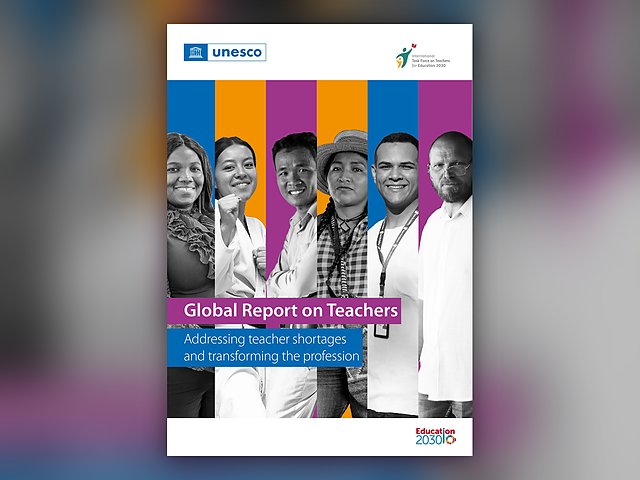
A global report on teacher shortages and transforming the profession, centered on SDG 4—equitable, inclusive, quality education with lifelong learning. Using new data, it calls for dignifying teaching while addressing recruitment and retention gaps, including how to add 44 million teachers by 2030.
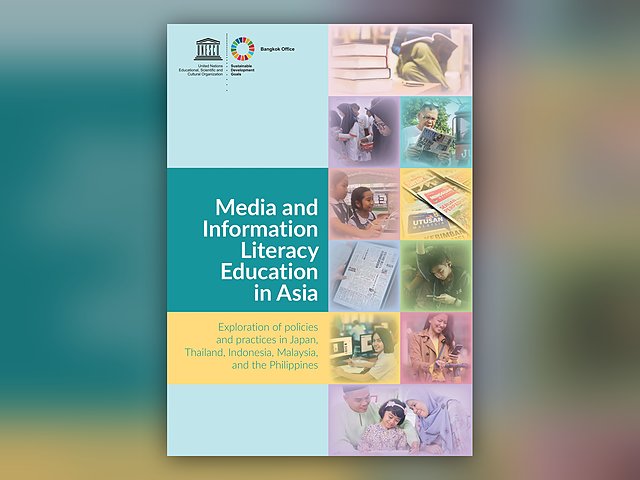
A policy-and-practice exploration of media and information literacy education across Asia, following one through-line: how five countries address urgent risks with MIL in formal, informal, and non-formal settings—Japan, Thailand, Indonesia, Malaysia, and the Philippines.
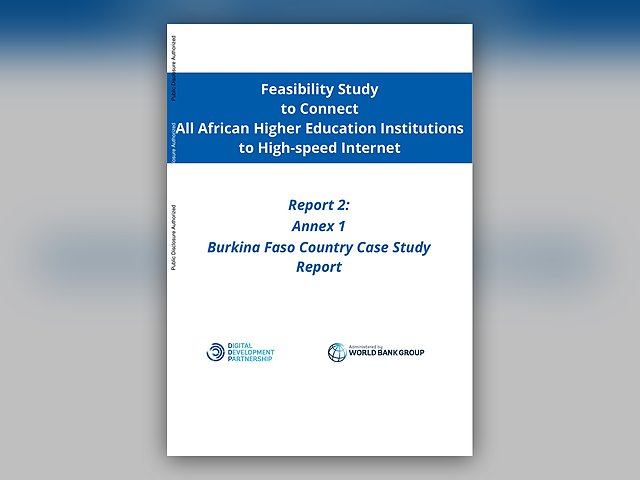
A Burkina Faso country case study for connecting all African higher education institutions to high-speed internet, tracing demand from the education sector and supply from the ICT sector, then focusing on the FasoREN research and education network and its NREN maturity.
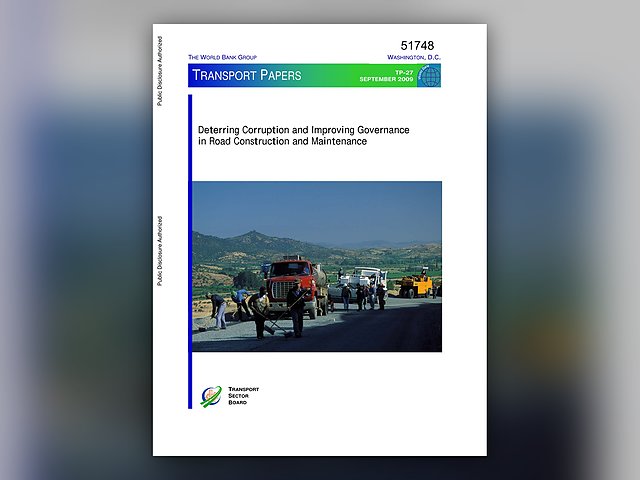
Ein Fachleitfaden zur Abschreckung von Korruption und zur Verbesserung der Regierungsführung im Straßenbau und -unterhalt — mit Analysen auf Sektor- und Funktionsebene sowie Werkzeugen für Politikplanung, Bauleistungen, staatliche Technik- und Baueinheiten, PPP-Verträge und Fortschrittskontrolle über passende Indikatoren.
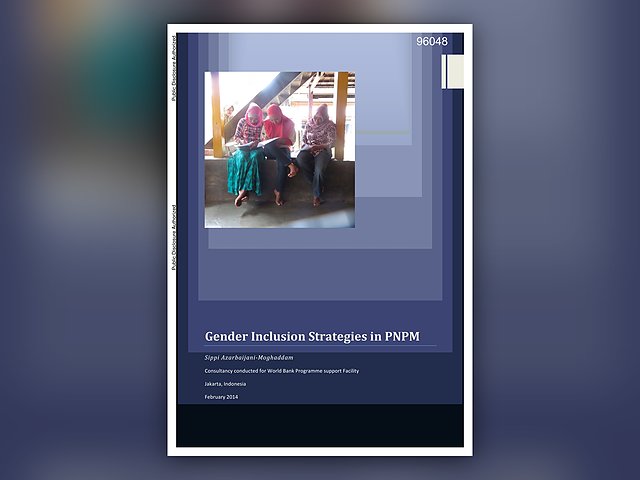
Eine Beratungsstudie zu Gender- und Inklusionsstrategien im PNPM (Nationales Programm zur Förderung der Dorfgemeinschaft) für die Programme Support Facility der Weltbank — mit Fokus auf Gender-Prinzipien, affirmative Maßnahmen, Teilnahme von Frauen und Monitoring/Impact-Bewertung.
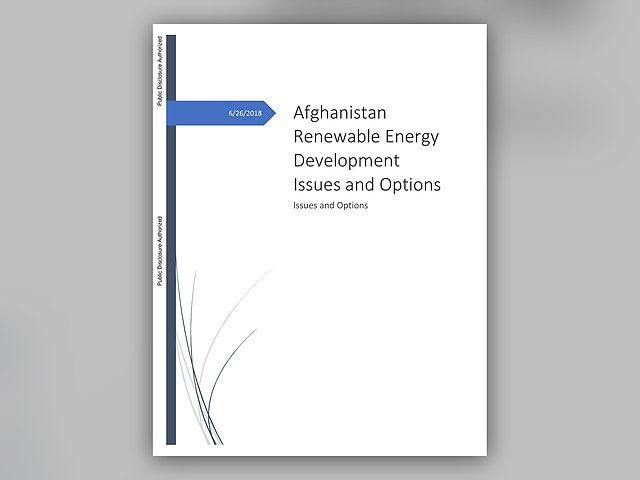
Eine Analyse der Chancen und Risiken, Afghans Stromversorgung mit erneuerbaren Energien zu stützen — von der lückenhaften Netzinfrastruktur und der Nachfragelücke über die saisonalen Wasserressourcen bis zur Zielvorgabe, bis 2032 rund 10% des prognostizierten Bedarfs (350–500 MW) aus RE zu liefern.
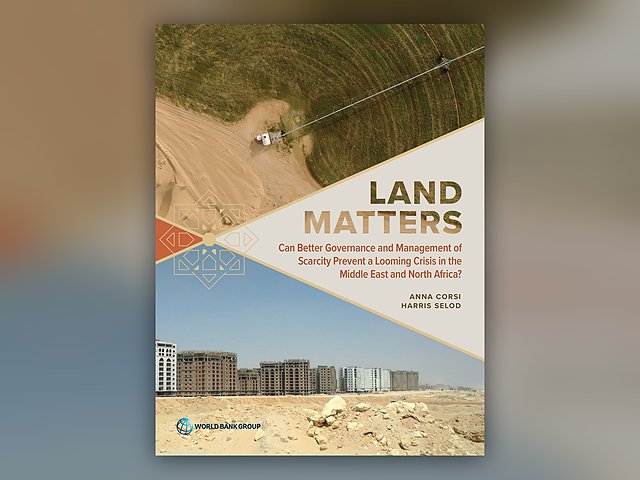
Eine Studie zu Landknappheit und Landnutzung in Nahost und Nordafrika – mit Fokus auf die zentralen Treiber, rechtlich-institutionelle Hürden, Zugangsbarrrieren, Marktverzerrungen und konkrete politische Optionen zur besseren Steuerung von knappen Ressourcen.
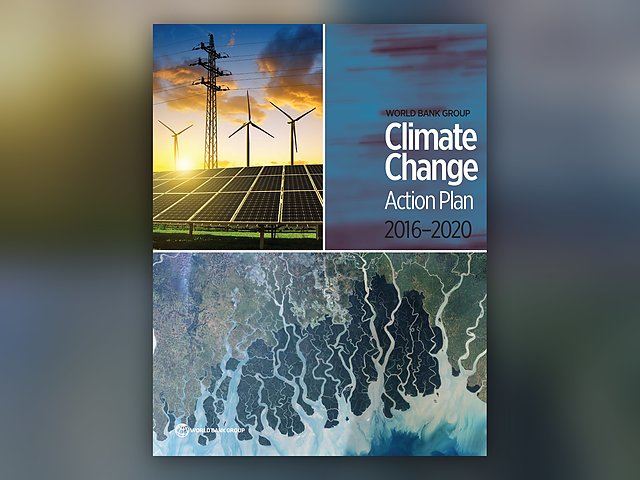
Ein Klimawandel-Aktionsplan der World Bank Group für 2016–2020 mit einem roten Faden: von klima-entscheidenden Richtlinien über die Hebelwirkung von Ressourcen bis zur Skalierung konkreter Klimamaßnahmen — von erneuerbaren Energien über nachhaltige Städte bis zu „Leaving No One Behind“.
A World Bank East Asia and Pacific regional report on the innovation imperative for developing East Asia — organized as a flagship series to turn regional challenges into opportunities, starting with the overview and introduction.
A UNESCO policy brief for the G20 Women’s Empowerment Working Group on changing the equation in STEM — from early foundations and post-secondary access to inclusive workplaces — built around mechanisms that improve women’s aspiration, participation, and retention in G20 countries.
A climate action curriculum guidance for schools and countries built around expected learning outcomes by age—from 5 to 18+—with a lifelong learning approach, helping teams integrate scientifically accurate, justice-driven climate learning into national curricula.
A global report on teacher shortages and transforming the profession, centered on SDG 4—equitable, inclusive, quality education with lifelong learning. Using new data, it calls for dignifying teaching while addressing recruitment and retention gaps, including how to add 44 million teachers by 2030.
A policy-and-practice exploration of media and information literacy education across Asia, following one through-line: how five countries address urgent risks with MIL in formal, informal, and non-formal settings—Japan, Thailand, Indonesia, Malaysia, and the Philippines.
A Burkina Faso country case study for connecting all African higher education institutions to high-speed internet, tracing demand from the education sector and supply from the ICT sector, then focusing on the FasoREN research and education network and its NREN maturity.
Ein Fachleitfaden zur Abschreckung von Korruption und zur Verbesserung der Regierungsführung im Straßenbau und -unterhalt — mit Analysen auf Sektor- und Funktionsebene sowie Werkzeugen für Politikplanung, Bauleistungen, staatliche Technik- und Baueinheiten, PPP-Verträge und Fortschrittskontrolle über passende Indikatoren.
Eine Beratungsstudie zu Gender- und Inklusionsstrategien im PNPM (Nationales Programm zur Förderung der Dorfgemeinschaft) für die Programme Support Facility der Weltbank — mit Fokus auf Gender-Prinzipien, affirmative Maßnahmen, Teilnahme von Frauen und Monitoring/Impact-Bewertung.
Eine Analyse der Chancen und Risiken, Afghans Stromversorgung mit erneuerbaren Energien zu stützen — von der lückenhaften Netzinfrastruktur und der Nachfragelücke über die saisonalen Wasserressourcen bis zur Zielvorgabe, bis 2032 rund 10% des prognostizierten Bedarfs (350–500 MW) aus RE zu liefern.
Eine Studie zu Landknappheit und Landnutzung in Nahost und Nordafrika – mit Fokus auf die zentralen Treiber, rechtlich-institutionelle Hürden, Zugangsbarrrieren, Marktverzerrungen und konkrete politische Optionen zur besseren Steuerung von knappen Ressourcen.
Ein Klimawandel-Aktionsplan der World Bank Group für 2016–2020 mit einem roten Faden: von klima-entscheidenden Richtlinien über die Hebelwirkung von Ressourcen bis zur Skalierung konkreter Klimamaßnahmen — von erneuerbaren Energien über nachhaltige Städte bis zu „Leaving No One Behind“.