Search results for
9 results found across all collections
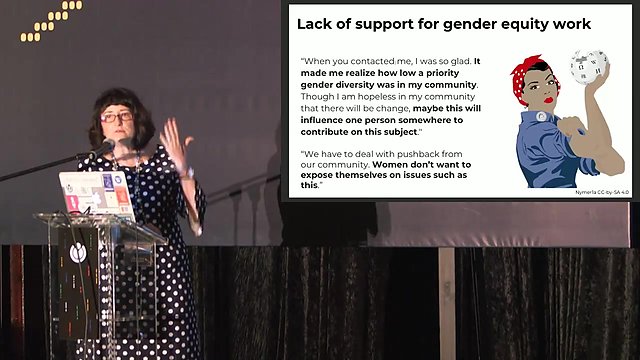
A 2017 Gender Diversity Mapping Project snapshot of gender equity work across Wikimedia—spanning June 2016 to June 2017—through 65 interviews, 2,500+ data points, and seven research themes on definitions, impact, what’s working, and key barriers.
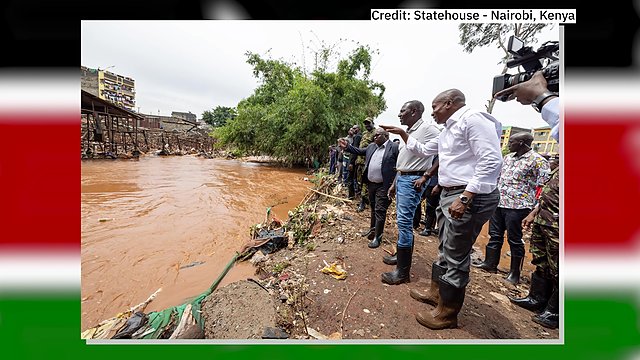
A climate-tech conversation on restoring Kenya’s water towers through resilient, 10-year reforestation—using AI satellite monitoring from Prithvi Earth Observation trained on HLS data to measure progress, benefits, and enable carbon financing across protected lands.
A ministerial roundtable format built for ministers to share their vision, compare national practices, and draw lessons on ICTs’ catalytic role in the SDGs—measuring progress across disaster risk reduction, health, climate impact, food security, poverty reduction, education, and inclusion.
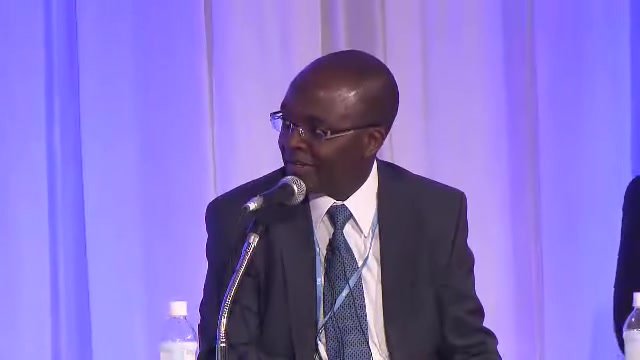
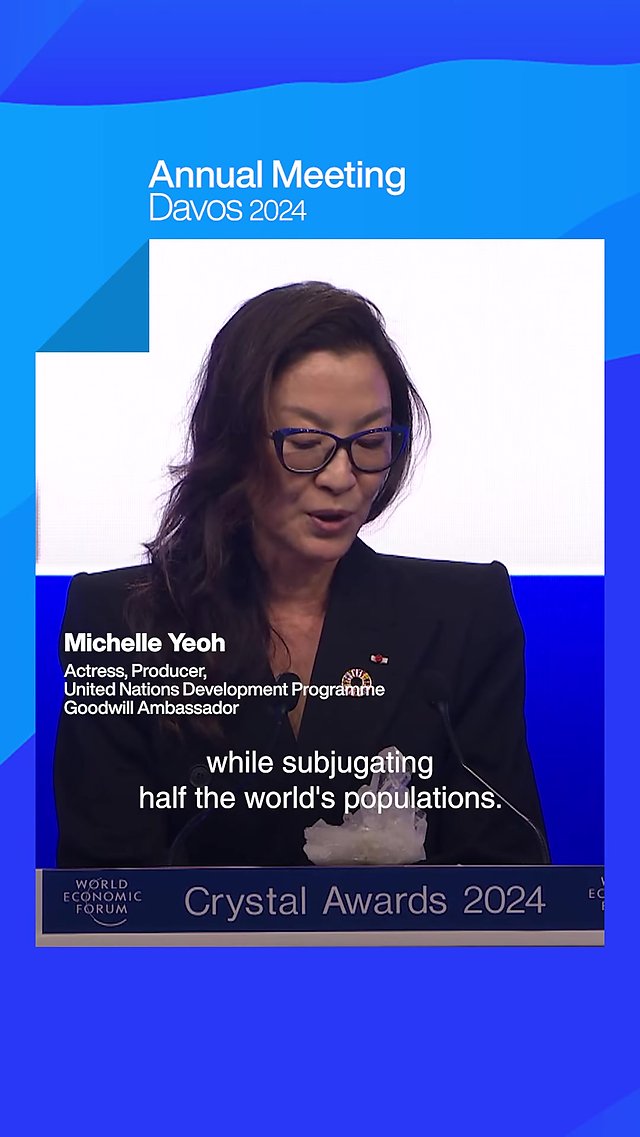
A case for gender equality as the best chance to tackle today’s most pressing challenges: you can’t build a better world while subjugating half of humanity. It centers the need for support for new mothers and basic education access for young girls.
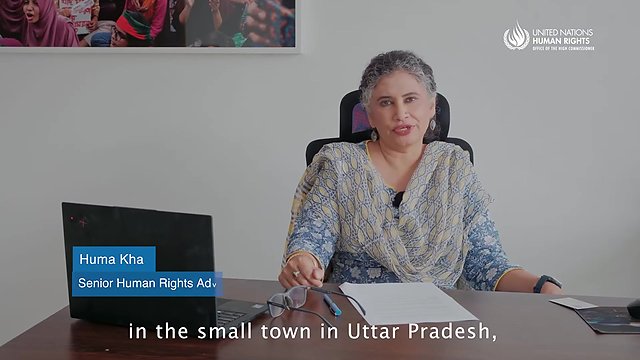
A human-rights advisor’s story of facing everyday religious discrimination in childhood, and channeling that into Bangladesh work supporting victims of enforced disappearances, extrajudicial killings, torture, and censorship—highlighted by a December 2023 action that helped prevent a deadly crackdown on a political rally.
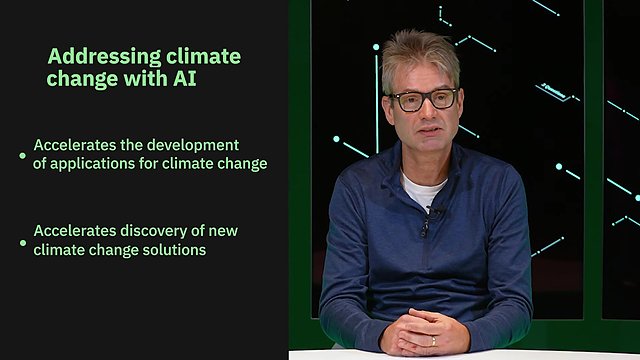
Three questions on climate and sustainability and AI: how foundation models accelerate carbon accounting from months to minutes, discover unknown emission sources from satellite data, and map where carbon is removed—supporting verifiable carbon markets.
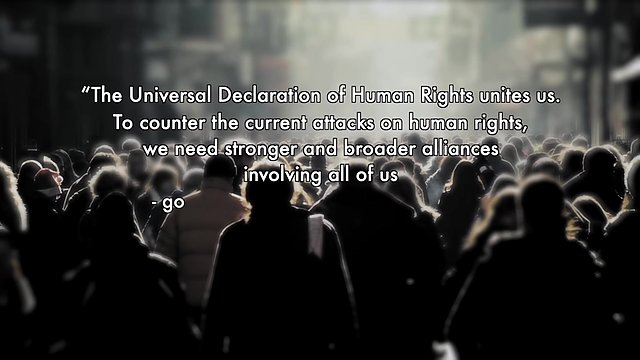
A call to mark 75 years of the Universal Declaration of Human Rights by returning to its through-line: in each person, dignity and equality in rights—30 articles that unite across borders, paired with a push to know, claim, and defend those rights together.
A 2017 Gender Diversity Mapping Project snapshot of gender equity work across Wikimedia—spanning June 2016 to June 2017—through 65 interviews, 2,500+ data points, and seven research themes on definitions, impact, what’s working, and key barriers.
A climate-tech conversation on restoring Kenya’s water towers through resilient, 10-year reforestation—using AI satellite monitoring from Prithvi Earth Observation trained on HLS data to measure progress, benefits, and enable carbon financing across protected lands.
A ministerial roundtable format built for ministers to share their vision, compare national practices, and draw lessons on ICTs’ catalytic role in the SDGs—measuring progress across disaster risk reduction, health, climate impact, food security, poverty reduction, education, and inclusion.
A case for gender equality as the best chance to tackle today’s most pressing challenges: you can’t build a better world while subjugating half of humanity. It centers the need for support for new mothers and basic education access for young girls.
A human-rights advisor’s story of facing everyday religious discrimination in childhood, and channeling that into Bangladesh work supporting victims of enforced disappearances, extrajudicial killings, torture, and censorship—highlighted by a December 2023 action that helped prevent a deadly crackdown on a political rally.
Three questions on climate and sustainability and AI: how foundation models accelerate carbon accounting from months to minutes, discover unknown emission sources from satellite data, and map where carbon is removed—supporting verifiable carbon markets.
A call to mark 75 years of the Universal Declaration of Human Rights by returning to its through-line: in each person, dignity and equality in rights—30 articles that unite across borders, paired with a push to know, claim, and defend those rights together.