Search results for
200 results found across all collections
A myth-versus-reality guide to migration evidence, category problems, source differences, and uncertainty in public claims.

An evidence explainer on how researchers study unequal treatment in housing, why complaint data undercounts it, and where individual cases differ from patterns.

A practical FAQ for small nonprofits on evaluating community programs with proportionate evidence, clearer assumptions, and honest limits.

Correlation is often a clue, not a verdict. This FAQ-style myth explainer shows how confounding, reverse causality, selection effects, experiments, and quasi-experiments affect civil-society claims.
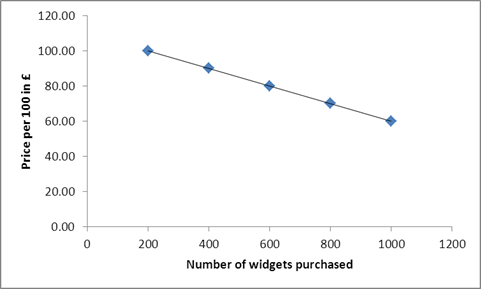
A technically correct number can still mislead. This checklist helps readers inspect source, denominator, sample, time period, comparison group, uncertainty, correlation, and visual framing before sharing.
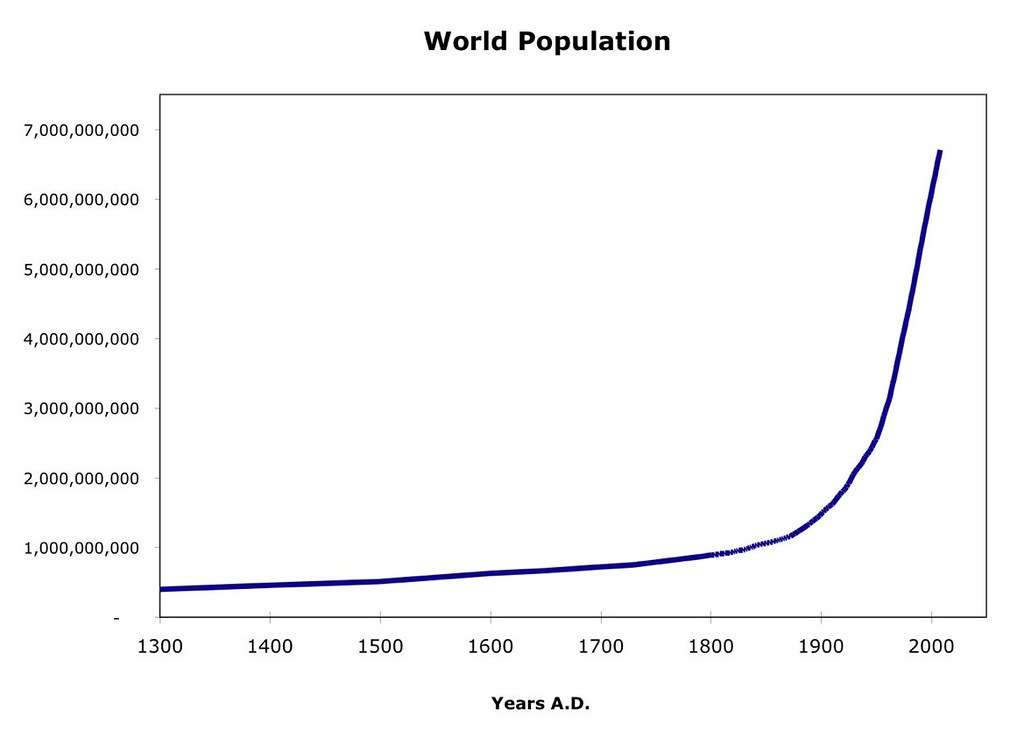
Social cohesion is not one thing. This explainer separates trust, belonging, participation, solidarity, and institutional confidence so public debate can use the evidence more carefully.

An explainer on turning repeated workplace problems into pattern evidence, coordinated grievances, negotiation, and structural change without leaving workers isolated.

A myth-versus-reality guide to workplace surveillance, covering purpose, proportionality, transparency, consent, biometrics, remote work, data access, consultation, and complaints.

A platform-work FAQ on ratings, deactivation, algorithmic scheduling, pay transparency, expenses, status, data access, appeals, and organizing with others.

A step-by-step guide for moving from private workplace complaints to safer collective action when workers fear retaliation.

An FAQ for workers who have been dismissed or told their role is redundant, with checks on reason, procedure, selection, notice, pay, settlement pressure, appeal, and urgent deadlines.

A preparation checklist for disciplinary or personnel meetings, covering allegations, evidence, accompaniment, records, questions, possible outcomes, and appeal routes.

A myth-versus-reality guide to migration evidence, category problems, source differences, and uncertainty in public claims.
An evidence explainer on how researchers study unequal treatment in housing, why complaint data undercounts it, and where individual cases differ from patterns.
A practical FAQ for small nonprofits on evaluating community programs with proportionate evidence, clearer assumptions, and honest limits.
Correlation is often a clue, not a verdict. This FAQ-style myth explainer shows how confounding, reverse causality, selection effects, experiments, and quasi-experiments affect civil-society claims.
A technically correct number can still mislead. This checklist helps readers inspect source, denominator, sample, time period, comparison group, uncertainty, correlation, and visual framing before sharing.
Social cohesion is not one thing. This explainer separates trust, belonging, participation, solidarity, and institutional confidence so public debate can use the evidence more carefully.
An explainer on turning repeated workplace problems into pattern evidence, coordinated grievances, negotiation, and structural change without leaving workers isolated.
A myth-versus-reality guide to workplace surveillance, covering purpose, proportionality, transparency, consent, biometrics, remote work, data access, consultation, and complaints.
A platform-work FAQ on ratings, deactivation, algorithmic scheduling, pay transparency, expenses, status, data access, appeals, and organizing with others.
A step-by-step guide for moving from private workplace complaints to safer collective action when workers fear retaliation.
An FAQ for workers who have been dismissed or told their role is redundant, with checks on reason, procedure, selection, notice, pay, settlement pressure, appeal, and urgent deadlines.
A preparation checklist for disciplinary or personnel meetings, covering allegations, evidence, accompaniment, records, questions, possible outcomes, and appeal routes.