Knowledge Commons
for Civil Society
A federated knowledge commons where civil society organizations make selected public knowledge searchable, attributed, multilingual, and easier to support.
Where would you like to begin?
Search directly, browse by format, follow a collection, or start with the organizations behind the work.

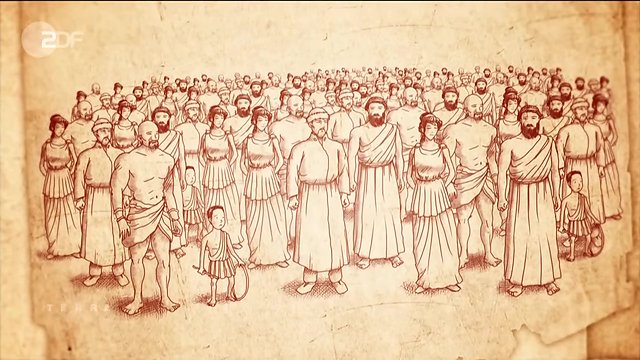
Human Rights & Democratic Foundations
Materials on human rights and democracy, including the Universal Declaration.
This collection brings together public materials contributed by participating organizations and curated around a shared civic theme.
Anchor worksOrganizations in the federation.
The Commons is made by participating organizations that choose what to share, how it is attributed, and how people can support their work.
Themes, collections, and guided starts.
Follow a topic, enter a curated collection, or begin with a guided path through related materials.
Collections 2
Collections are curated sets of resources from one or more organizations.
Anti-Discrimination & Equality Gender & Women's RightsGuided starts 0
Guided starts introduce a topic through selected materials, questions, and source-linked pathways.
People shaping the Commons.
Editors, archivists, organizers, researchers, and community stewards help make public knowledge discoverable and accountable.
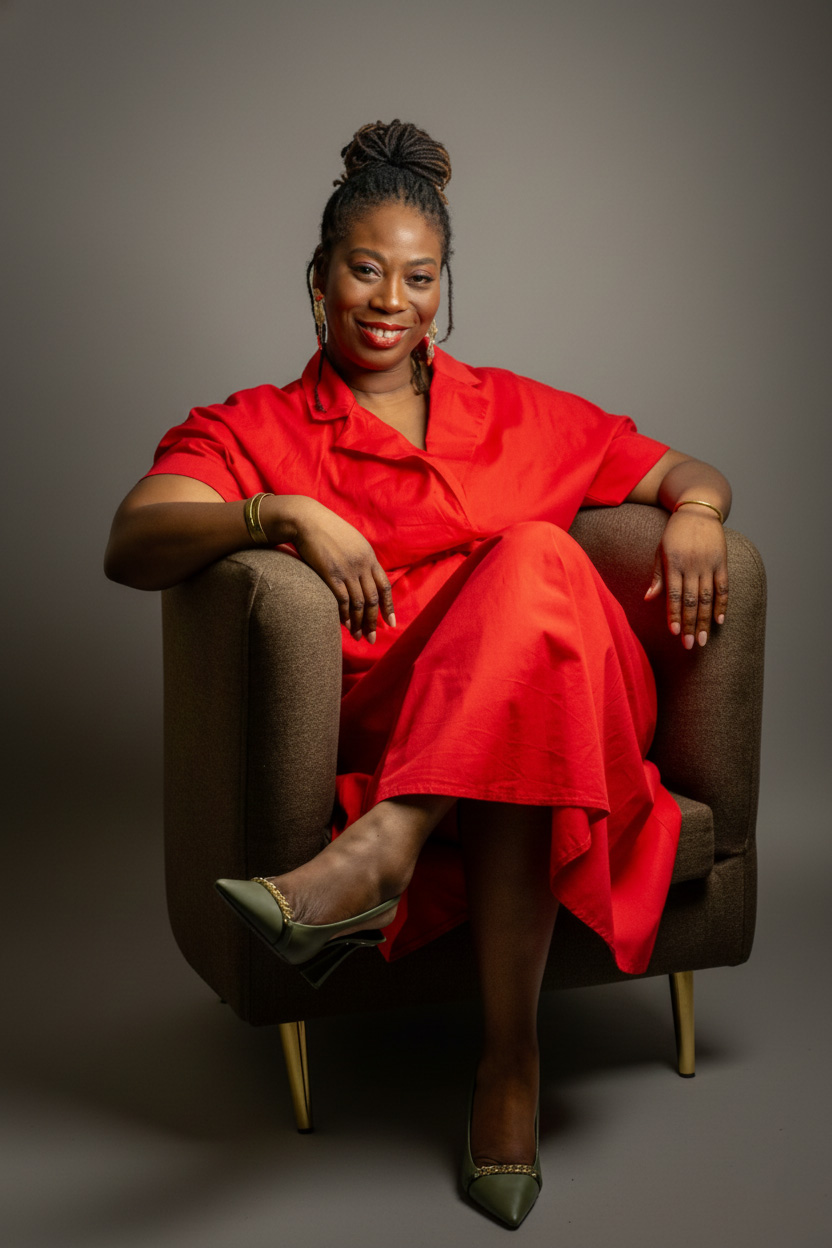
Speaker
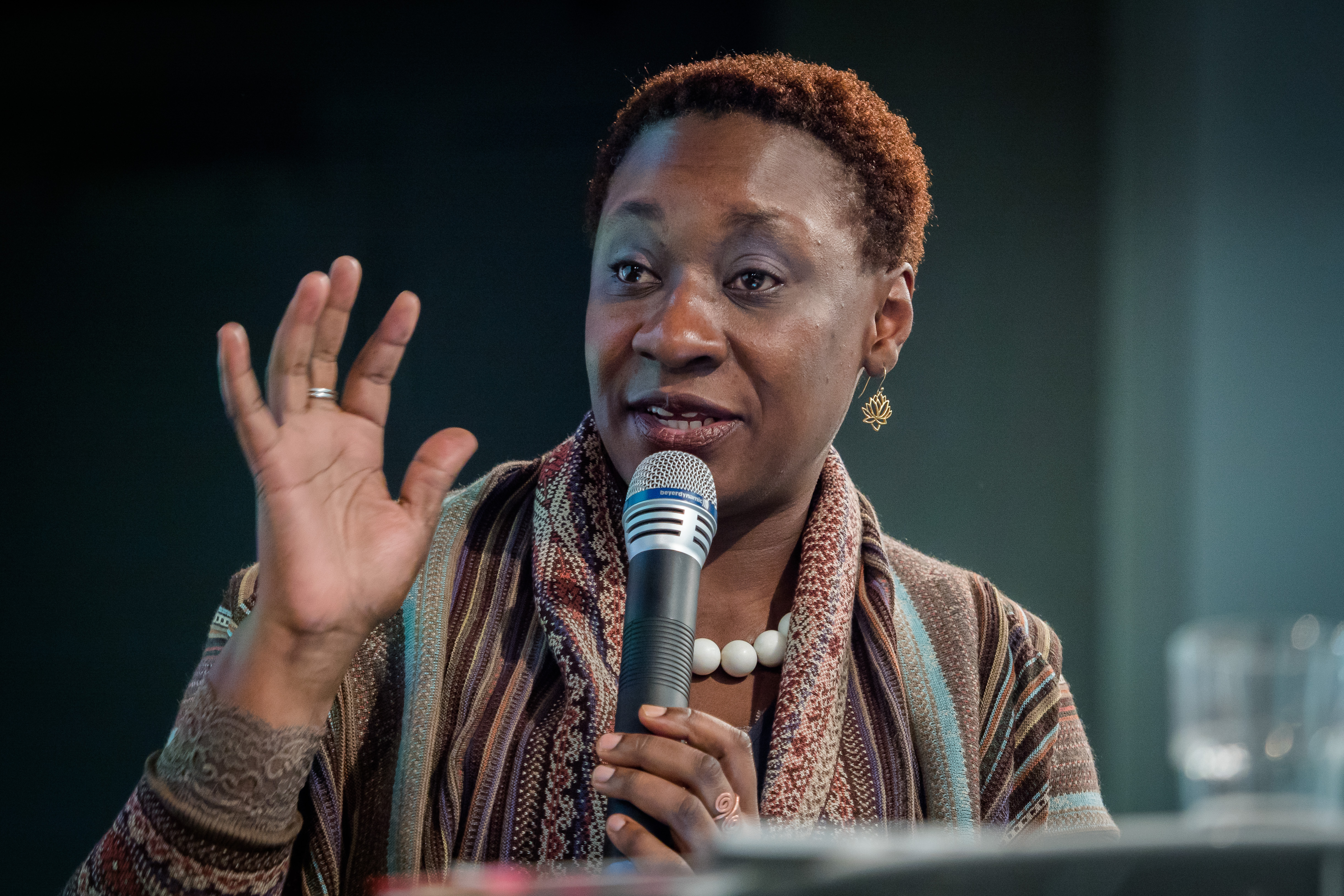
Speaker
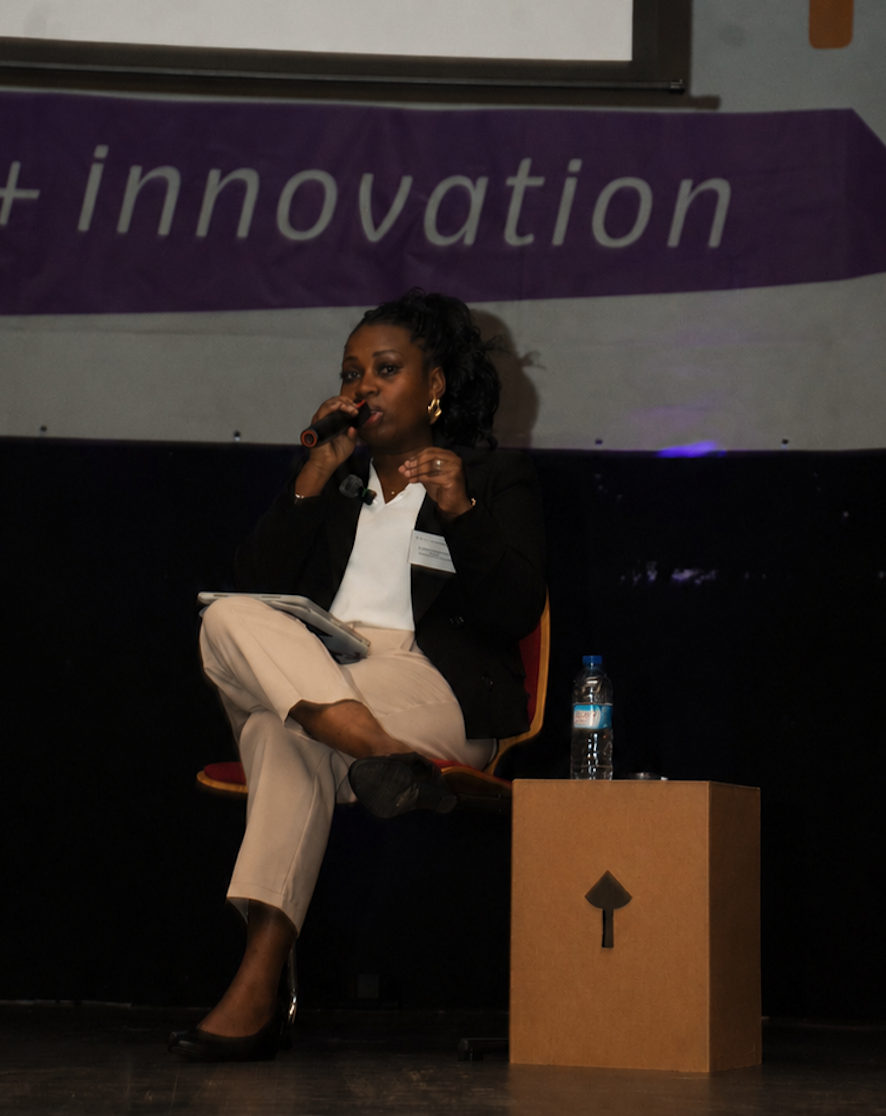
Speaker
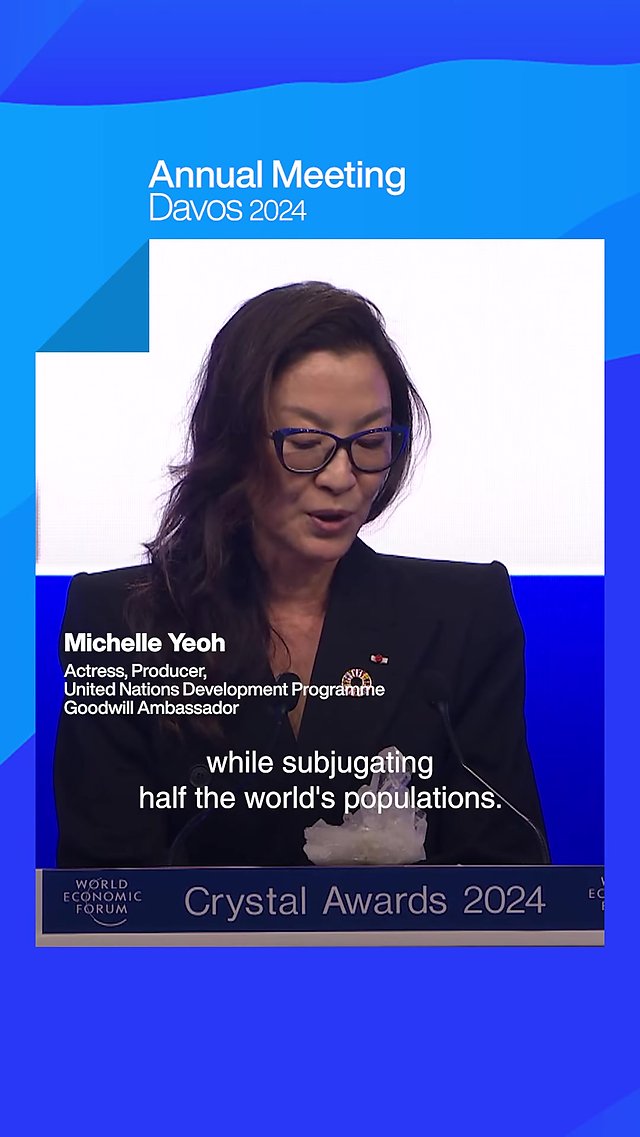
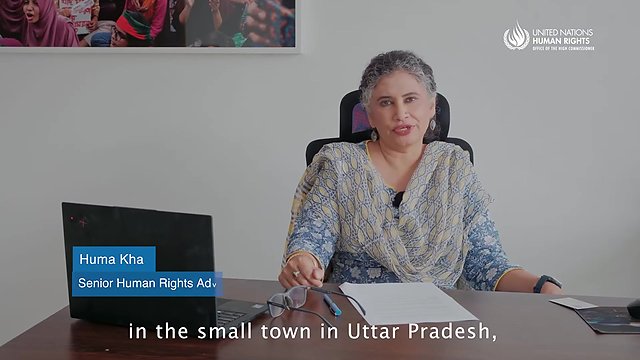
Shared knowledge needs shared support.
This space rotates across Commons stewardship needs and participating organizations. Each spotlight connects public knowledge to the people and infrastructure that keep it discoverable, attributed, and accessible.
Long-form deep dives.
Editorial pathways through connected materials, organizations, and public questions.
Compiled from public contributions and reviewed by Commons editors.
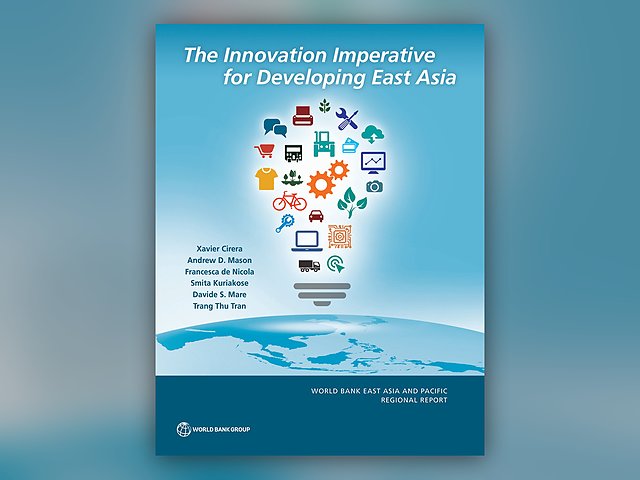
The Innovation Imperative for Developing East Asia
A World Bank East Asia and Pacific regional report on the innovation imperative for developing East Asia — organized as a flagship series to turn regional challenges into opportunities, starting with the overview and introduction.
View source materials →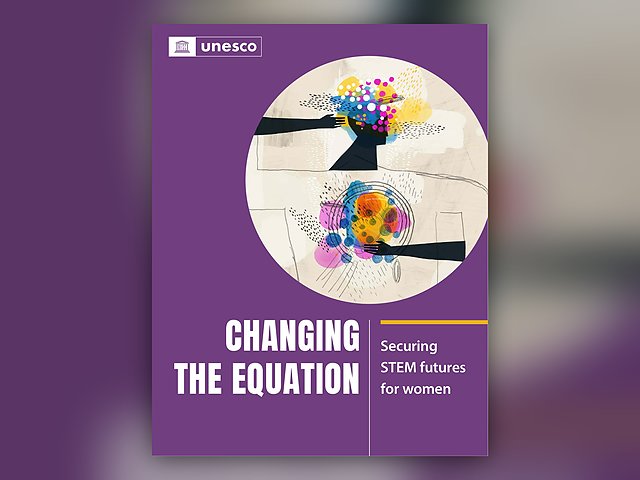
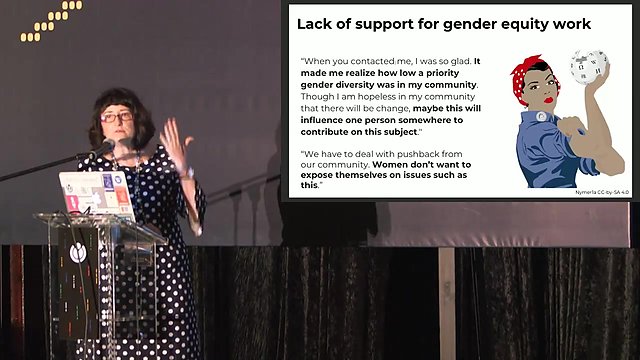
Securing STEM futures for women: changing the equation
A UNESCO policy brief for the G20 Women’s Empowerment Working Group on changing the equation in STEM — from early foundations and post-secondary access to inclusive workplaces — built around mechanisms that improve women’s aspiration, participation, and retention in G20 countries.
View source materials →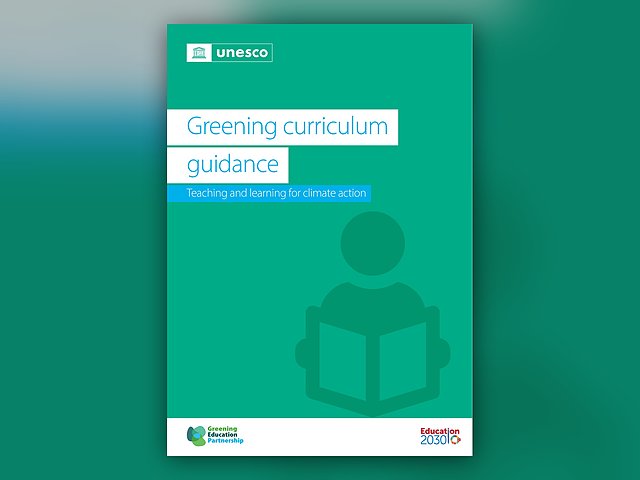
Greening curriculum guidance: teaching and learning for climate action
A climate action curriculum guidance for schools and countries built around expected learning outcomes by age—from 5 to 18+—with a lifelong learning approach, helping teams integrate scientifically accurate, justice-driven climate learning into national curricula.
View source materials →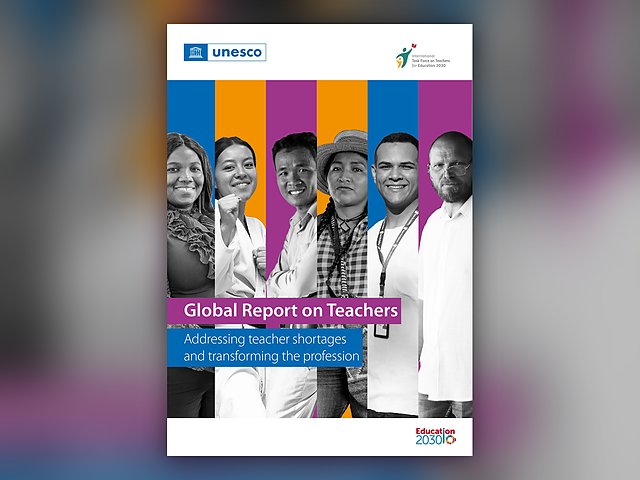
Global Report on Teachers: Addressing teacher shortages and transforming the profession
A global report on teacher shortages and transforming the profession, centered on SDG 4—equitable, inclusive, quality education with lifelong learning. Using new data, it calls for dignifying teaching while addressing recruitment and retention gaps, including how to add 44 million teachers by 2030.
View source materials →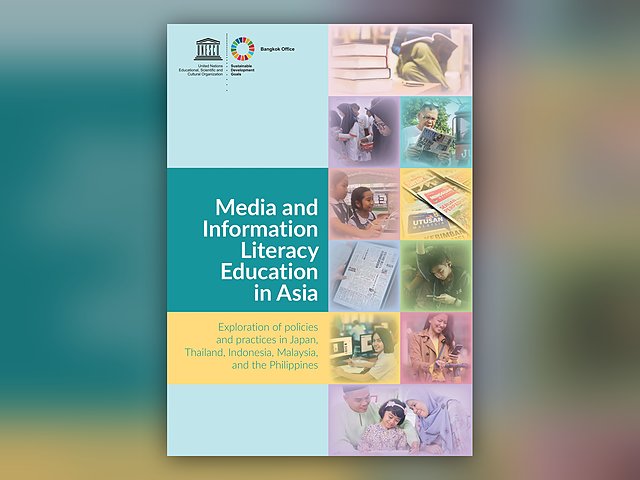
Media and Information Literacy Education in Asia: Exploration of policies and practices in Japan, Thailand, Indonesia, Malaysia, and the Philippines
A policy-and-practice exploration of media and information literacy education across Asia, following one through-line: how five countries address urgent risks with MIL in formal, informal, and non-formal settings—Japan, Thailand, Indonesia, Malaysia, and the Philippines.
View source materials →
Machbarkeitsstudie zur Anbindung aller afrikanischen Hochschulen an Hochgeschwindigkeitsinternet
Eine Fallstudie aus Burkina Faso zur Anbindung aller afrikanischen Hochschulen an Hochgeschwindigkeitsinternet, die die Nachfrage aus dem Bildungssektor und das Angebot aus dem IKT-Sektor verfolgt, und sich dann auf das FasoREN-Forschungs- und Bildungsnetzwerk und dessen NREN-Reife konzentriert.
View source materials →A Commons with clear stewardship.
Participating organizations retain ownership of their materials and choose what becomes public. The Commons provides discovery, attribution, multilingual access, and shared infrastructure.
Ownership stays with contributors
Organizations grant publishing and indexing rights for selected materials; they do not surrender ownership.
Attribution is preserved
Every contribution points back to its source, organization, language, and context.
Participation is transparent
Funding, governance, moderation, and participation rules are published openly.
Powered by Loracta
The Commons runs on Loracta's living-archive infrastructure while maintaining its own public-interest stewardship model.
Participating organizations remain the source and owner of their public knowledge. Loracta provides the infrastructure layer that makes the Commons searchable, multilingual, and source-linked.
Or navigate the archive structurally.
For when you know exactly what shape you're looking for.